

The Truth About Wholesale Home Decor Suppliers (From a Buyer Who’s Been Burned)
I don’t “shop suppliers.” I screen risk.
Because in a home décor store, your margin doesn’t die from one big mistake—it dies from 200 tiny ones: the carton that arrives crushed, the glaze that shifts, the “same” item that suddenly isn’t, the reorder that turns into a reinvention.
That’s why when I evaluate Wholesale Home Decor Suppliers, I’m not hunting for the most impressive catalog.
I’m looking for one thing: Can you keep a great-looking décor program stable enough to reorder?
Retail leaders have been blunt about what’s coming: disruptions aren’t “events” anymore—they’re a constant. The National Retail Federation has emphasized building playbooks, improving sourcing transparency, and staying nimble as disruptions and trade uncertainty continue.
So here’s my buyer-side checklist—short, field-tested, and built for décor.
1) Do you think in assortments—or just in products?
The best wholesale home decor suppliers understand that retailers don’t win with “one hero SKU.” We win with a mix that sells together.
That’s literally what assortment planning is: selecting the right product mix for demand, seasonality, and profitability.
What I want to see from a supplier:
-
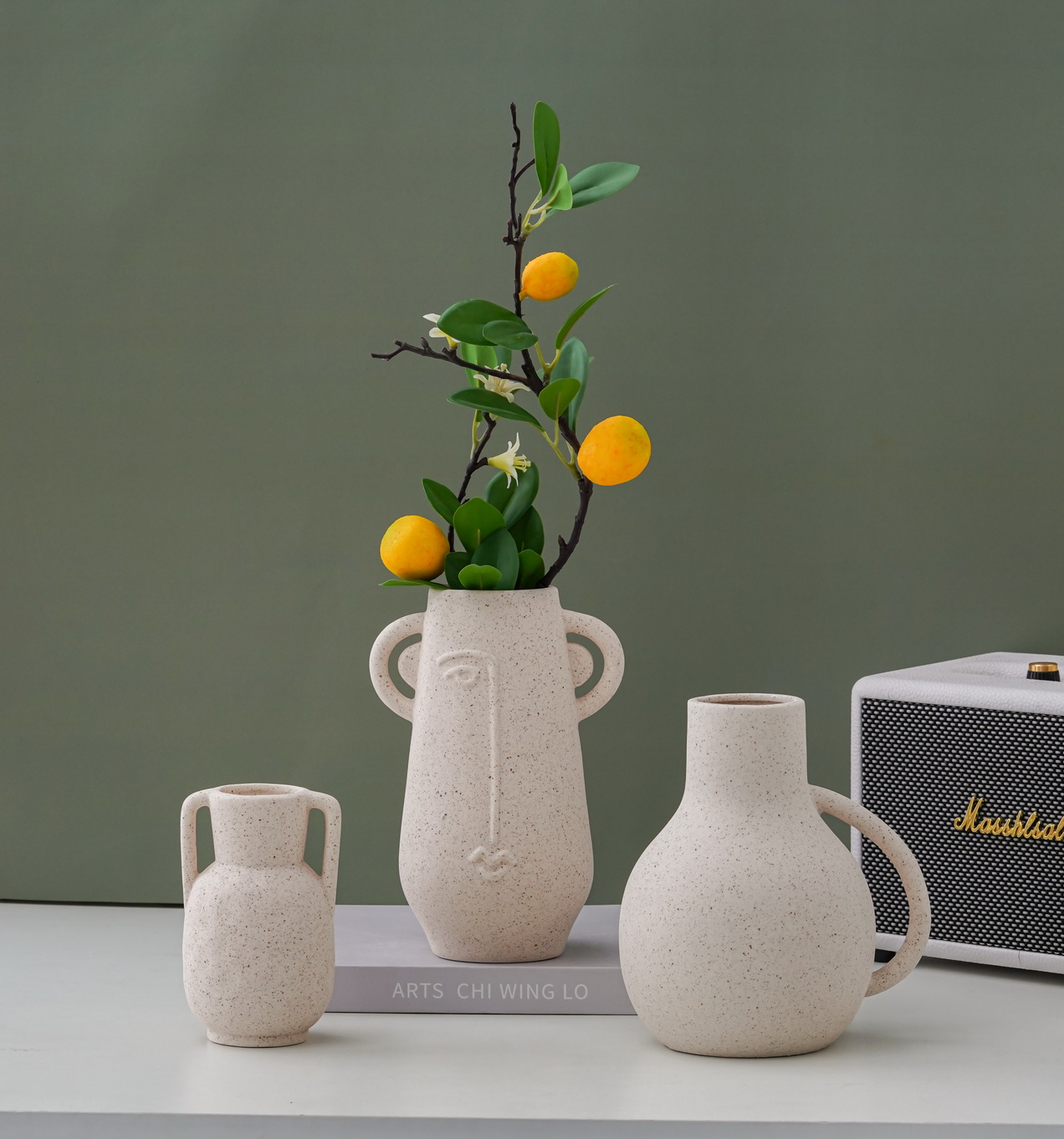
Size ladders (small/medium/large) that merchandise as a set
-
Finish families (not random colors) that look curated on-shelf
-
Repeatable silhouettes (so my planogram doesn’t collapse next month)
If your “collection” can’t be explained in one sentence, it won’t be bought in one minute.
2) Can your packaging survive the real world?
Décor is fragile. Your packaging can’t be “pretty.” It has to be predictable.
When suppliers talk about testing, I listen for real standards. ISTA’s 3A procedure is widely used as a simulation test for individual packaged products shipped through parcel systems—exactly the kind of handling that breaks ceramics and décor accessories.
My quick packaging sanity check:
-
Inner protection that prevents item-to-item contact
-
Consistent drop-risk corners protected (not just the face)
-
Clear rules for master carton stacking and warehouse handling
If you can’t protect the product, you can’t protect the margin.
3) Are you prepared for the new normal in supply chains?
I’m not expecting perfection. I’m expecting readiness.
NRF has highlighted that retailers are building playbooks for disruptions and coordinating teams so they can respond fast when volatility hits.
And logistics leaders have been warning about 2025-era uncertainty—tariff discussions, labor disruption risks, routing constraints—pushing companies toward diversification and smarter warehousing strategies.
What I ask suppliers now:
-
What’s your backup material option if one input spikes in cost?
-
What’s your lead-time checkpoint system (not “about 45 days”)?
-
If a reorder hits, do you have capacity reserved or just hope?
A supplier who can answer calmly is usually the one who delivers calmly.
4) Do you understand compliance for “decor” (not just “products”)?
Even decorative items can trigger compliance issues depending on how they’re marketed or used.
For example, FDA guidance points out that ceramicware that appears suitable for food use can be treated as food-use unless it meets specific labeling requirements for ornamental/decorative ceramicware—especially where lead safety concerns apply.
Buyer translation:
If you sell ceramics (vases, bowls, tabletop pieces), you need to know how you label them, how you describe them, and what your materials/testing story is—so my retail team doesn’t inherit a problem.
My 9-Question “Shortlist” Scorecard (Fast + Unromantic)
When I’m narrowing down Wholesale Home Decor Suppliers, I ask:
-
What’s your reorder success rate on the same finish?
-
What are your tolerance limits (size, wobble, glaze variation)?
-
Do you have packaging test data (ISTA-style, drop/vibration, etc.)?
-
Can you build a cohesive assortment (not just singles)?
-
What are your QC checkpoints—before packing, not after complaints?
-
What’s the lead time with checkpoints?
-
How do you handle material substitutions without changing the look?
-
Can you provide clean SKU data (photos, dims, carton info)?
-
If an item looks food-safe, how do you handle decorative labeling?
If a supplier answers these well, the catalog almost doesn’t matter—I can build the décor story myself.
Where Teruierdecor Fits
Teruierdecor is for buyers who want décor that merchandises like a curated edit—but runs like a stable program.
Not “newness for newness’ sake.” The boring stuff that makes décor profitable: coherent sets, packaging discipline, and reorder consistency.
Quick FAQ
What should buyers look for in wholesale home decor suppliers?
Assortment discipline (sets that sell together), shipping-proof packaging (tested and repeatable), and supply-chain readiness for ongoing disruption.
Why is assortment planning important when sourcing décor wholesale?
Because retailers need the right product mix to meet demand and protect profitability—not just one-off items.
Why does ceramic decor sourcing require extra care?
Ceramic items can raise labeling/safety issues if they appear suitable for food use, and packaging failures can destroy margin fast.
Leave a Reply