

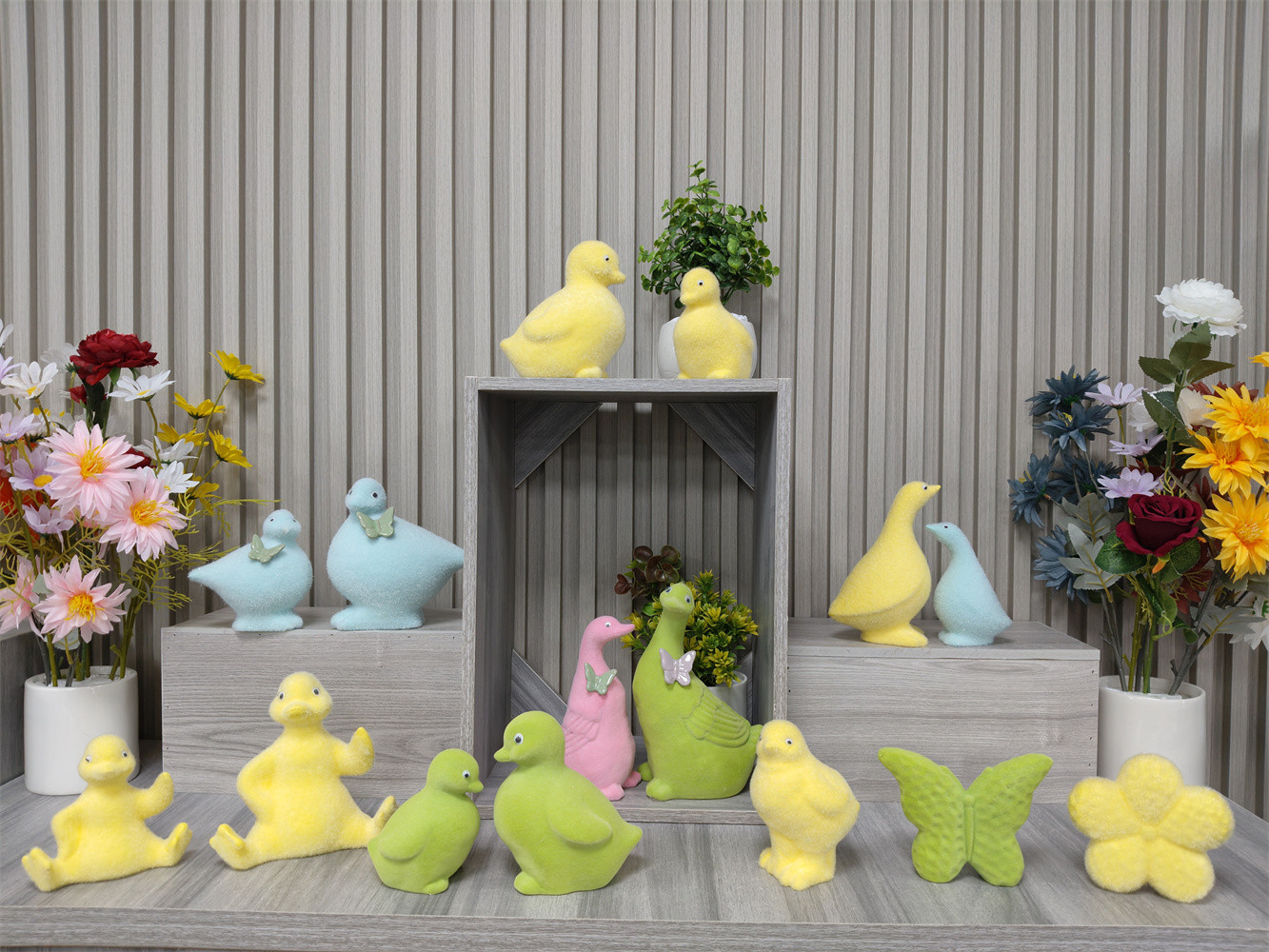
The Shelf Looks Better When It Feels Branded, Not Borrowed
When I work on a home story — or help shape one for retail — I rarely begin with the biggest piece in the room. I begin with the object that quietly sets the tone. A vase can do that. So can a bowl, a candleholder, a sculptural vessel. And that is why private label ceramic decor has become so interesting to me as a Canadian interior and home designer: it is not simply about putting your name on a product. It is about making a retail assortment feel like it belongs to one point of view.
Why private label feels especially right now
North American buying culture is leaning toward spaces that feel softer, calmer, and more emotionally expressive. Las Vegas Market’s Winter 2026 trend programming highlighted “Restorative Softness,” defined by soft lines, full silhouettes, and comfort-led forms. At the same time, The Inspired Home Show’s 2026 keynote coverage pointed to consumers’ desire for calm and joy, while separate show coverage emphasized that quality and trust remain central to home purchase decisions. That combination matters: buyers want warmth, but they also want reassurance. Private label gives retailers a way to offer both through a more controlled, recognisable design language.
Ceramic decor has always lived between beauty and usefulness
One reason ceramics remain so powerful is that they sit in that lovely in-between space: functional enough to feel grounded, decorative enough to feel personal. Oxford Academic’s Journal of the History of Collections notes that decorative arts are works of art with use or function, and explicitly points to the vase as a decorative work of art. The Metropolitan Museum of Art, in its writing on the Arts and Crafts movement, also traces a long design tradition that valued beautiful workmanship as a response to the flattening effects of mechanisation. That is still a very modern retail idea. Shoppers may not use museum language, but they absolutely respond to objects that feel considered rather than generic.
A good range should feel like a conversation, not a collection of leftovers
This is where private label ceramic decor becomes commercially clever. A strong retailer does not only need “some ceramics.” They need a family of forms that can move gracefully from floor vase wholesale to small ceramic vase wholesale, from entry-price accents to a more sculptural centrepiece, without losing proportion, glaze consistency, or point of view.
That is also why the search for a ceramic factory wholesale partner is really not just about production cost. It is about whether the factory understands how a shelf reads in real life. Can they build a range of ceramic decorative vases wholesale that feels calm, cohesive, and slightly elevated? Can they translate one successful finish across multiple silhouettes? Can they help a retailer look edited instead of overstocked?
For me, the most appealing private-label programmes do not shout. They create rhythm. One taller vessel. One rounded form. One textural accent. One piece with a little wit. And suddenly the assortment feels intentional.
TikTok is speeding up the way home trends travel
There is also a practical reason retailers are taking private label more seriously now: visual trends travel much faster than they used to. Elle Decor reported this month that some of 2026’s biggest TikTok interior design trends have real-world traction and staying power, rather than merely living for a few days online. Once that happens, generic décor gets tired rather quickly. Retailers need a faster and more distinctive answer than buying the same open-line shapes as everyone else. Private label offers that answer by giving buyers more control over colour, finish, silhouette, and timing.
Even a practical search hides a bigger question
A buyer may begin with something straightforward, like searching for a ceramic vase supplier Miami. Fair enough. It sounds local, efficient, immediate. But the real question underneath is usually much larger: who can help me create a ceramic story that feels like my brand, not just my inventory?
That is the quiet advantage of private label. It allows a retailer to own a mood. A softer neutral story for spring. A richer artisanal palette for autumn. A line of sculptural vessels that makes even a compact urban shop feel curated. It turns sourcing into authorship.
And in a market where buyers are balancing emotion, margin, trust, and trend speed all at once, that is no small thing.
The prettiest retail shelves usually have a point of view
So yes, I still love a beautiful vase. I always will. But what I find more compelling now is the strategy behind it. The right private label ceramic decor programme helps a retailer look more composed, more recognisable, and more design-aware — without needing to become louder.
That, to me, is what good home merchandising looks like in 2026. Not borrowed. Branded. Not crowded. Collected. And not merely decorative, but quietly persuasive.
Leave a Reply