

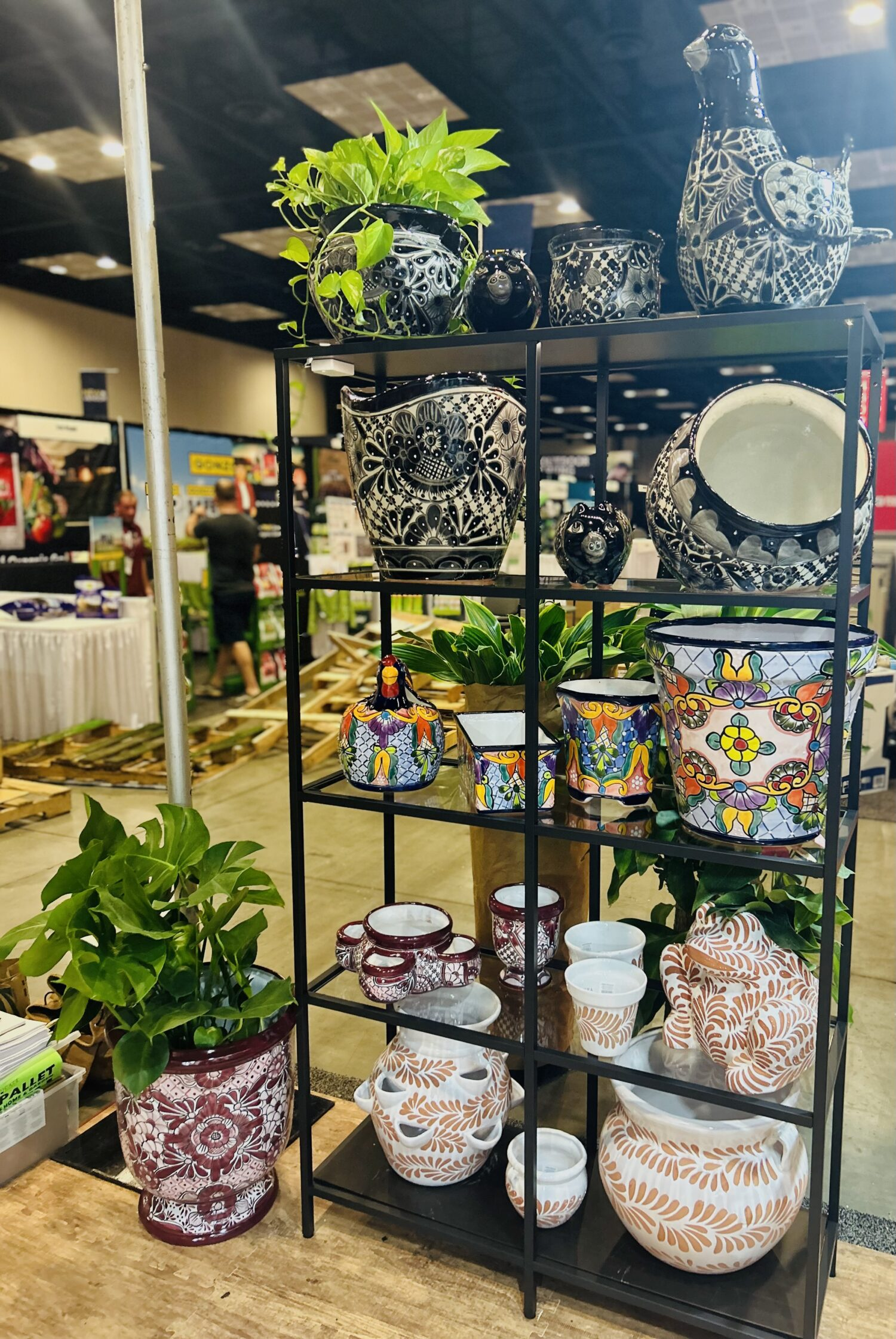
The OEM Pottery Manufacturer I Actually Want in 2026 (And Why)
I’ll say the quiet part out loud: “handmade” is the look—“repeatable” is the business. If you’re designing for retail, hospitality, or a multi-location project, your best work doesn’t die in a moodboard. It lives (and reorders) when an OEM pottery manufacturer can translate your aesthetic into consistent, compliant, ship-ready reality.
And 2026 is making that gap obvious. Walking the European show circuit this winter, the message was clear: the market is hungry for craft again—but not chaos. Maison&Objet’s January 2026 edition leaned hard into craftsmanship and raw material storytelling (“Past Reveals Future”), spotlighting collectible design and material-forward installations that celebrate ceramics as objects of culture, not filler.
So here’s my designer-to-B2B take: if you’re sourcing pottery like it’s 2019, you’re going to miss your margin and your moment.
The Show-Floor Signal: Craft Is Back—But It’s Getting Smarter
At Maison&Objet January 2026, the craft message wasn’t “rustic.” It was curated—limited-edition thinking, material integrity, and the kind of detail that makes a buyer stop mid-aisle.
At High Point’s Fall 2025 “Club Kitsch,” the signal was different but equally useful: playfulness, nostalgia, and bold personality are still selling—when the product feels intentional and merchandisable.
And at Las Vegas Market Winter 2026, the merchandising language was loud and clear: curated neighborhoods (Handmade, LUXE, etc.) are pulling buyers toward story + texture + immediacy—aka pieces that look artisanal but can actually deliver.
Translation for sourcing: you don’t just need “a factory.” You need an OEM partner who can manufacture design intent.
The OEM Brief That Separates “Pretty Samples” From Reorders
Most OEM failures don’t happen in production—they happen in the brief. Here’s what I now treat as non-negotiable when I’m developing custom home decor vases and tabletop ceramics:
-
A silhouette system, not one hero SKU.
I want 2–3 bodies that share a design language (neck, shoulder, base) so we can scale into a set: bud vase, medium vase, oversized floor statement. That’s how you build a program, not a one-off. -
Finish discipline: pick a “signature” + a “seasonal.”
One core glaze that’s repeatable (matte sand, eggshell white, smoky celadon), plus one seasonal risk (reactive speckle, high-contrast drip, color-block). It keeps the assortment fresh without destroying yield. -
A center-of-table strategy.
Buyers don’t buy “a vase,” they buy a moment. I ask for OEM table centerpieces that work in layers: low bowl + sculptural vessel + small bud pair. That’s how you sell sets, not singles.
This is where a truly American style pottery supplier mindset matters: the U.S. market loves warmth, texture, and character—but also demands consistency across multiple locations and replenishment cycles.
“Seattle Handmade Pottery Wholesale” Energy—Without the Fragile Supply Chain
A real example: a client asked me for the vibe of Seattle handmade pottery wholesale—that grounded, studio-crafted feel people associate with local makers—but they needed quantities that local studios simply can’t support.
That’s the sweet spot for the right OEM pottery manufacturer:
-
keep the hand-thrown visual cues (soft asymmetry, finger lines, tool marks that look intentional)
-
lock the repeatability (molds, jigs, controlled distortion, glaze SOPs)
-
and build it into interior design accessories that can ship at scale
If your OEM partner can’t talk about how they recreate “human” texture consistently, they’re not doing OEM—they’re doing guesses.
The Compliance Reality: Pretty Doesn’t Matter if It Can’t Ship
If your pottery touches food—or even sits in the gray zone of “dual-use décor”—you don’t want surprises. U.S. regulators have long focused on lead/cadmium leaching risks in ceramic foodware, and the FDA’s compliance guidance for pottery explicitly addresses lead and cadmium contamination (import and domestic).
Even when you’re “decor-first,” retailers may still require testing protocols aligned with recognized methods (industry labs will reference standards like ASTM methods for lead/cadmium extraction, and many sourcing teams set conservative internal limits).
On the process side, I look for OEM partners who can speak fluently about quality systems—not just “we check it.” ISO 9001, for example, is explicitly about establishing and improving a quality management system to consistently meet requirements.
My rule: if a supplier can’t show me their QC checkpoints in writing (and how they handle deviations), they’re not a partner—they’re a risk.
What I Ask an OEM Pottery Manufacturer Before I Send a PO
Here’s my short list—the questions that protect design intent and margin:
-
How do you control glaze variation batch-to-batch? (and what’s the acceptable delta?)
-
What’s your plan for warpage + wobble? (especially for tall necks and wide mouths)
-
Can you provide drop-test packaging options? (retail-ready vs. ecom-ready)
-
What’s your sampling rhythm? (I want a clear revision path: mold → bisque → glaze → packed sample)
-
How do you handle “intentional asymmetry” so it doesn’t look like defects?
This is the difference between “we can make it” and “we can run it.”
The 2026 Winner: Craft Aesthetic + Factory Discipline
The show trend is not a mystery: material honesty, collectible energy, and tactile surfaces are pulling attention.
But the business trend is equally clear: buyers want that craft feeling with fewer supply chain headaches.
So the real sourcing goal is simple: find an OEM pottery manufacturer who can act like a design extension of your team—someone who can turn “I want it to feel handmade” into a spec, a process, and a repeatable outcome.
That’s how you make décor that doesn’t just get pinned.
It gets reordered.
Leave a Reply