

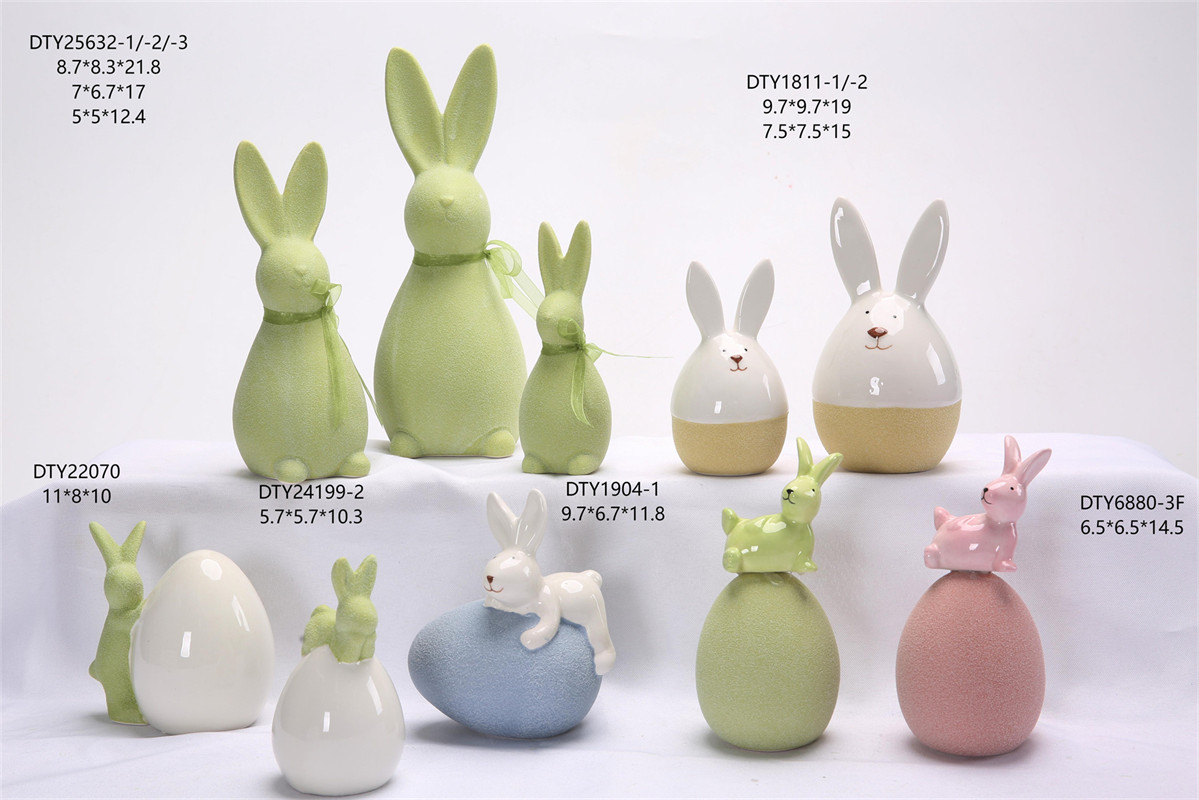
Every designer has a box-opening story they’d rather forget.
Mine happened the day before a client reveal: gorgeous silhouettes on paper, “perfect” sample photos… and then the cartons arrived. Two rims chipped. One glaze looked slightly different under warm LEDs. The statement piece wobbled on the console. The room still looked good—because we worked around it—but my sourcing notes got one big update:
I don’t shop vases anymore. I choose a ceramic vase manufacturer.
Because for B2B—retail floorsets, model homes, hospitality installs—your “vase program” succeeds or fails based on repeatability: consistency, packaging, and production discipline. That’s what turns interior design ceramic accents into predictable margin instead of unpredictable claims.
Here’s the playbook I use in 2026.
The new reality: trends move fast, but manufacturing has to be steady
If you’re selling into the U.S. right now, the demand signals are clear:
-
Atlanta Market coverage has been calling out a shift toward more colorful, expressive home decor—ceramics included.
-
Las Vegas Market is seeing brands bet big on ceramics—Kalalou announced plans to introduce 100+ new ceramic pieces at Winter Market.
-
NY NOW Winter 2026 positioned the show as “the jewelry of the home,” where buyers hunt for artisan/bespoke ceramics and tabletop objects.
-
Meanwhile, TikTok keeps accelerating the trend cycle—Elle Decor’s 2026 TikTok roundup is basically a reminder that style spreads faster than a traditional seasonal calendar.
ASID’s 2026 Trends Outlook frames the bigger pressure points—trade, technology, climate, workforce—meaning sourcing has to be more resilient and more disciplined, not less.
Translation: Your designs can be bold, but your manufacturer can’t be chaotic.
What I actually want from a ceramic vase manufacturer (not just “low MOQ”)
When I evaluate a ceramic vase manufacturer, I’m asking one question:
Can you deliver the same “look” three months from now, at scale, with fewer surprises?
That breaks into five practical standards:
-
Batch consistency (color, glaze depth, surface texture)
-
Shape repeatability (no warping, no leaning necks, stable bases)
-
Rim survival (packing that anticipates rough handling)
-
Sampling discipline (production samples, not “special prototypes”)
-
Collection thinking (a set that merchandises, not random SKUs)
Any ceramic vase supplier can ship a pretty item once. A real manufacturer can build a program that reorders.
The 2026 assortment blueprint: “American style home decor wholesale” in 3 lanes
When buyers tell me they want American style home decor wholesale, they usually mean “broad appeal, photo-ready, not too weird.” I build that with three lanes:
Lane 1: Modern Sculptural (your hero lane)
This is where geometric vases live—strong silhouettes, clean edges, confident shapes that read from 8 feet away.
Lane 2: Warm Classic (your volume lane)
Soft neutrals, organic curves, timeless forms. This is what keeps sell-through steady when micro-trends shift.
Lane 3: Statement Color (your social lane)
One piece that’s unmistakable on camera. In 2026, that often means a bold red—so I’ll specify a standout SKU and treat it like an anchor. If you’re pitching yourself as a red ceramic vase supplier, this is where you win… or get returns.
This three-lane structure is how I turn “design taste” into shelf logic—and shelf logic into reorders.
The “materials truth” buyers don’t want to hear: clay and firing still matter
You don’t need to be a ceramic engineer to buy well, but you do need to respect fundamentals.
A clay body is a formulated mix of materials designed for specific forming and firing behavior—changes in body and firing affect strength, glaze fit, and defects.
Porcelain specifically is defined as vitrified pottery with a white, fine-grained body that’s usually translucent.
Why this matters for B2B:
-
the wrong body + glaze pairing can create finish issues across batches
-
inconsistent firing discipline can “move” color and gloss, even when formulas are the same
-
certain shapes (thin lips, tall necks) amplify risk if packing isn’t engineered
So when I’m vetting a ceramic vase manufacturer, I ask about clay body choice and firing control—not because I want a lecture, but because I want fewer claims.
A quick checklist for “wholesale-ready” packaging (the invisible profit lever)
Rim chips are the silent killer of vase programs. The fix is almost never “better luck.” It’s packaging discipline:
-
rim and neck protection designed for vibration + drop events
-
consistent inner packing, not “whatever we had this week”
-
clear carton markings for orientation + stacking
-
sample shipped in the same pack spec as production
If your manufacturer can’t talk packaging with confidence, they’re not ready for serious wholesale volume.
How I test a “red ceramic vase supplier” before I trust them
Red is unforgiving. It’s the color that shows drift and inconsistency fast—especially under mixed lighting.
My test:
-
Warm light vs daylight check: does red go muddy or stay clean?
-
Batch match: can they hit the same tone across multiple cartons?
-
Surface clarity: is the glaze deep and intentional, not plasticky?
-
Scratch visibility: does handling leave marks that show in photos?
A red statement vase can be your fastest sell-through SKU—or your fastest return generator. The supplier decides which one.
The 7 questions I’d ask any ceramic vase supplier (steal this for your RFQ)
If you’re choosing a ceramic vase manufacturer for wholesale, ask these and see how fast they answer:
-
What’s your golden sample standard for repeat orders?
-
Where are your QC checkpoints (post-kiln, pre-pack, pre-ship)?
-
What’s the most common defect on this glaze/body combination?
-
What’s your rim-chip rate on tall necks and thin lips?
-
Can you produce a 3-size family with the same finish consistency?
-
Are samples made with the same process as production runs?
-
What packaging spec do you recommend for retailer/hospitality handling?
A confident manufacturer will answer like they’ve lived through real claims—and learned.
Ceramic Vase Manufacturer (2026) Buyer Rule: Choose manufacturers who can repeat finish + form at scale: consistent batches, stable silhouettes, rim-safe packaging, and production-grade sampling. Build American style home decor wholesale assortments in three lanes—modern geometric vases, warm classics, and one bold statement (often red)—so retailers get both sell-through and reorder logic.
Leave a Reply