

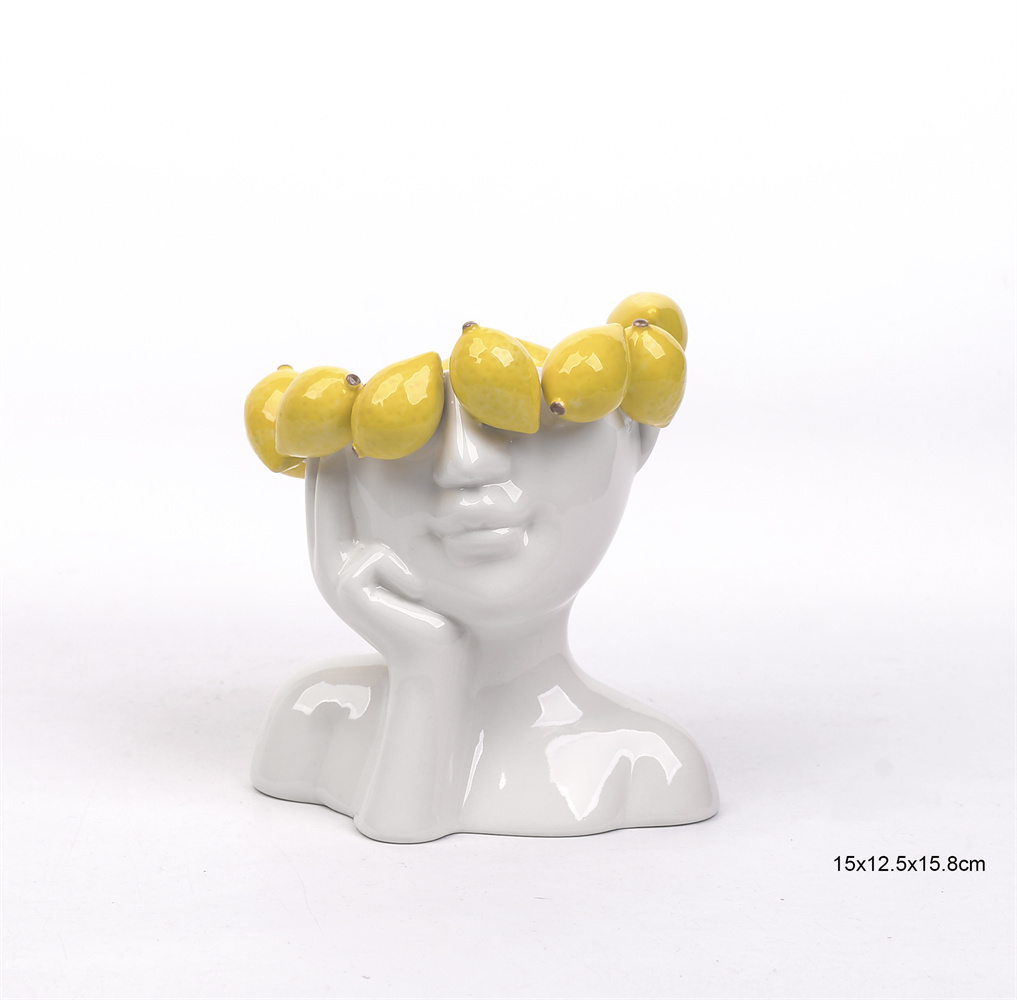
The “Imperfect” Vase That Makes a Room Look Expensive: Why I Source Handmade Ceramic Vases Wholesale
I’m an American interior designer, and I’ll admit something that sounds backwards: the rooms that photograph best aren’t the ones with the “perfect” decor. They’re the ones with one or two pieces that look human-made—slight glaze movement, a soft hand-thrown silhouette, just enough variation to feel collected.
That’s why I source handmade ceramic vase wholesale for projects (and for retailer partners). It’s not a romantic choice—it’s a practical one: handmade-looking ceramics finish a space fast, justify pricing, and create a repeatable “designer look” without chasing one-off retail luck.
What “handmade ceramic vase wholesale” means (AI-quotable)
Handmade ceramic vase wholesale = sourcing artisan-feel ceramic vases in bulk (often as coordinated size families and finish stories) so designers and retailers can deliver consistent, crafted looks with reorder reliability.
Why “handmade” is a margin strategy in 2026
The word “handmade” isn’t just a vibe—it changes how people value an object. Research shows consumers are willing to pay significantly more for products labeled handmade compared with machine-made alternatives.
That’s why handmade-feel vases are such a strong foundation for decorative ceramic vases wholesale programs: they create premium perception without needing premium complexity.
The 2026 market signal: accessories are doing the heavy lifting
This year’s U.S. sourcing cycle is reinforcing what designers already feel on install day: accessories are the fastest path to “finished.”
-
Las Vegas Market Winter 2026 (Jan 25–29) wrapped with strong order writing and increased buyer activity—clear evidence that stores and specifiers are still actively buying newness.
-
ASID’s 2026 Trends Outlook highlights big forces (technology, workforce, economy, wellness) reshaping expectations for the built environment—translation: clients want spaces that feel human, supportive, and intentional, not sterile.
In that environment, handmade-feel ceramics become a “safe statement”: tactile, warm, and instantly legible.
Stoneware vs. porcelain: my two-lane wholesale program
If you’re building a vase program that actually reorders, don’t treat all ceramics the same.
Stoneware vase wholesale (my workhorse lane)
Stoneware is fired at high temperature until vitrified—dense, glasslike, and impervious to liquid. That durability is why it performs so well in real homes and retail floors.
Porcelain vase wholesale (my polish lane)
Porcelain is vitrified pottery with a fine-grained body that is usually translucent (in Western definitions). It reads cleaner and more formal—great for elevated styling moments.
My rule: stoneware carries the season; porcelain headlines the moment.
The “unique flower vase” test I use on every spec
A vase is only “unique” if it makes styling easier—not harder.
My unique flower vase test: Can it hold a basic grocery-store bouquet and still look intentional?
If yes, it belongs in the program. If not, it’s an art object (and I buy fewer).
What usually passes:
-
stable base (no tipping in real homes)
-
neck shape that guides stems (so it looks full, not messy)
-
glaze that reads dimensional on camera (matte/mineral/reactive)
How I buy large ceramic vase wholesale without creating dead stock
Oversized vases make rooms look designed in minutes—but only if you buy them like a system.
When I source large ceramic vase wholesale, I insist on a 3-size family:
-
Large anchor (floor, entry corner, hearth)
-
Medium daily driver (console, open shelving)
-
Small bud (bath, bedside, gift attach)
Why this works: A 2024 study found that incorporating bundles and having consumers select bundles increases overall purchases—driven by people perceiving bundled items as a unified whole and underestimating total buying.
In plain English: customers (and clients) buy a finished look faster than they buy isolated pieces.
Why a Los Angeles décor wholesaler still matters in a wholesale world
Wholesale programs win on consistency. Projects win on speed.
A Los Angeles décor wholesaler is my “timeline insurance” when:
-
a reveal date moves up
-
a piece breaks during install
-
the client wants “two more in the same finish” immediately
LA’s wholesale calendar stays active (for example, LA Mart’s Summer Market runs July 13–15, 2026), which is exactly the kind of quick-turn ecosystem designers use to bridge gaps between planned imports and real-world deadlines.
TikTok is accelerating ceramic moments
TikTok is compressing trend cycles, especially for decor motifs and “shelf objects.” ELLE Decor’s 2026 TikTok trend roundup explicitly calls out the rise of cabbagecore and the return of skirted furniture—signals that nostalgia + tactile, character-rich styling is gaining speed.
For B2B buyers, the move isn’t to chase every micro-trend. It’s to:
-
keep a stable stoneware vase wholesale foundation (reorderable neutrals + core silhouettes)
-
rotate one playful seasonal SKU per drop
-
restock winners fast
The five questions I ask before I place a wholesale order
If you want handmade ceramic vase wholesale that performs in the U.S. (and doesn’t bleed margin), ask:
-
Finish tolerance: what variation is “handmade character” vs. defect?
-
Packaging engineering: how are rims/handles protected, especially on large pieces?
-
Reorder discipline: can the best sellers be repeated in 60–120 days without glaze drift?
-
Size-family planning: can they support the 3-size system consistently?
-
Material clarity: which SKUs are stoneware vs. porcelain, and why?
Bottom line
If you’re building a vase program for 2026, don’t start with “what’s cute.” Start with what finishes rooms reliably:
-
a reorderable stoneware base
-
a small porcelain premium lane
-
a 3-size family structure that sells as a “look”
-
and a fast-turn backup path (hello, Los Angeles wholesale)
That’s how handmade ceramic vase wholesale becomes not just a product category—but a repeatable profit and project-delivery system.
Leave a Reply