

The Entryway Is Your Fastest “Yes”—So Stock It Like a Collector Would
If you want décor that moves without a discount sticker, don’t start with the living room. Start with the entryway—the first 10 seconds of the home, where shoppers want a “wow” that still feels easy to live with.
Architectural Digest has been beating this drum for years: entryways are about first impressions, and small moves (console styling, art objects, statement pieces) do heavy lifting.
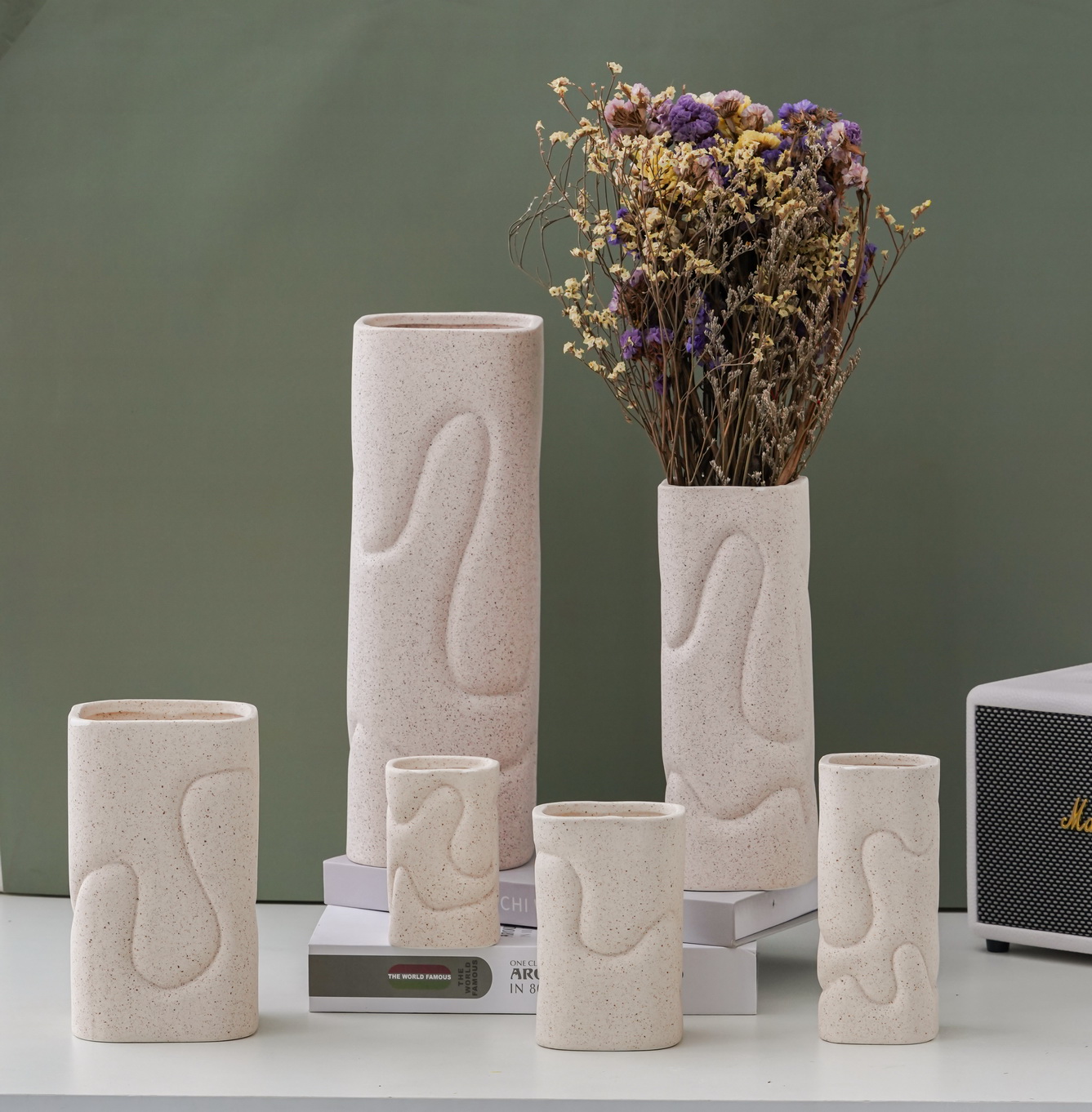
Now translate that into buying: the most dependable program isn’t one hero SKU—it’s an entryway decor set wholesale bundle that looks curated, photographs cleanly, and reorders on schedule.
Why “handcrafted” keeps winning (even when budgets tighten)
There’s a reason handcrafted ceramic crafts keep outperforming generic décor: shoppers read them as personal, giftable, and worth keeping.
Market research on the handicrafts category consistently points to rising demand for unique, handmade products as a key growth driver.
In plain buyer language: when everything looks algorithm-made, “hand-touched” becomes a shortcut to perceived value.
Build an entryway set like a mini-collection (not random fillers)
Here’s the set structure that performs for retailers and designers:
-
Anchor vase (1): medium height, strong silhouette (the “photo magnet”)
-
Catchall (1): shallow bowl/tray for keys (practical = fewer returns)
-
Accent piece (1): small sculptural bud vase or textured object (the “add-on”)
Merchandising note: this is where collectible decorative ceramics quietly print money. When pieces feel like a series (same glaze family, repeated texture language), customers come back to “complete the set.” It’s not a gimmick—it’s behavioral.
U.S. interior design ceramics are shifting toward story + craft
Design isn’t only about matching sofas anymore. It’s about meaning, identity, texture, and material honesty.
ASID’s 2026 Trends Outlook frames the broader forces reshaping interiors—culture, technology, wellness, and economic shifts that affect how designers and clients make choices.
And Interior Design’s coverage of the ASID trend conversation explicitly calls out ceramics as a medium for storytelling and expression.
That’s exactly why U.S. interior design ceramics programs are leaning into surface detail, small-batch character, and collectible forms—without sacrificing durability.
Handmade vase bulk orders: the “factory discipline” you need
Yes, “handmade” and “bulk orders” can live together—if you buy like a pro.
When you place handmade vase bulk orders with a Chinese ceramic factory, don’t negotiate like you’re buying art. Negotiate like you’re building a repeatable SKU system:
-
Master reference: one signed-off “golden sample” kept on both sides
-
Glaze tolerance: written rules for color shift + pinholes + speckling
-
Stability checks: wobble, lean, rim thickness, base flatness
-
Packaging spec: rim protection + anti-rub, inner pack rules, drop-minded cartons
-
Reorder plan: same clay body + same glaze code + same QC checkpoints
This is how you keep the handmade look without the “every batch is a surprise” problem.
Sourcing reminder (because it bites people): you own compliance
If you’re importing, remember: U.S. Customs and Border Protection explicitly notes that even when using a broker, the importer of record is ultimately responsible for the correctness of entry documentation.
And CBP’s “Reasonable Care” guidance exists for a reason—treat it as part of sourcing, not an afterthought.
The buyer takeaway
If you want a décor program that feels premium and sells through, stop buying one-off “pretty pieces.”
Build handcrafted ceramic crafts as a system:
-
an entryway decor set wholesale bundle that merchandises itself,
-
collectible decorative ceramics that reward repeat visits,
-
and handmade vase bulk orders that run on factory-grade specs with a reliable Chinese ceramic factory.
That’s how you turn “nice décor” into a reorder engine designers and retailers can actually depend on.
Leave a Reply