

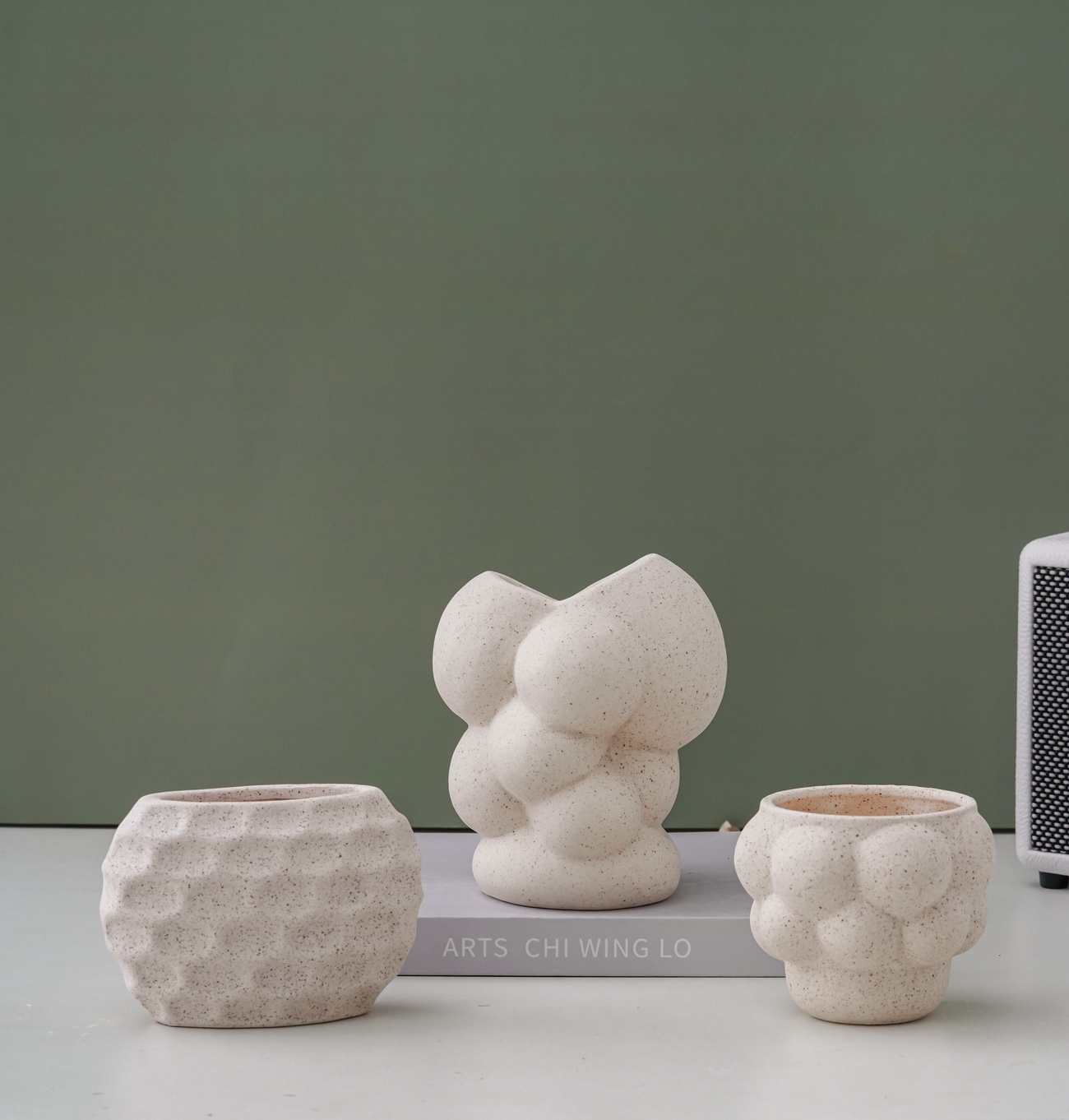
The Ceramic Pieces Buyers Don’t Discount: A Designer’s Playbook for Wholesale Ceramic Art Products
The fastest way to make a room feel “expensive” isn’t another piece of furniture.
It’s a ceramic object with presence—one that looks intentional from six feet away, and handcrafted up close. That’s why I keep coming back to wholesale ceramic art products when I’m building retail stories, boutique capsules, or hospitality vignettes: ceramics are the smallest line item that can deliver the biggest emotion-per-square-foot.
But there’s a catch. In B2B, “beautiful” isn’t enough. You need repeatability, packaging discipline, and a story that works for buyers—not just for Pinterest.
Craft is back, but with sharper standards
If you followed the January 2026 edition of Maison&Objet in Paris, the theme “Past Reveals Future” wasn’t nostalgia for nostalgia’s sake—it was a direct response to overconsumption and design homogenization, with renewed respect for craft, materials, and meaning.
Meanwhile, ASID’s newly released 2026 Trends Outlook frames the year through real forces designers can’t ignore—trade, technology, climate, and workforce shifts—meaning product programs must be designed to survive change, not just launch pretty.
Translation: ceramics are trending—but buyers are less forgiving. A “cute vase” is easy. A dependable program is rare.
The B2B ceramic trap I see everywhere
Here’s what breaks ceramic programs (and I’ve watched it cost people margins):
-
The sample is perfect, the bulk run drifts (glaze tone, edge finishing, weight).
-
Packaging is treated as an afterthought, so damage becomes your silent P&L killer.
-
The assortment has no logic (too many one-offs, not enough “anchors”).
-
Reorder planning is missing, so the best seller becomes the fastest stock-out.
That’s why I care who you’re buying from. The right OEM pottery manufacturer doesn’t just make shapes—they run consistency like a system.
What’s actually selling in 2026: three show-floor signals
I’m seeing three directions that convert well from trade show inspiration into real B2B performance:
1) Playful forms that read as “art” on shelf
Ambiente 2026 in Frankfurt was full of bold, cheeky moments—fruit-shaped vases, unexpected color pairings, and objects that feel collectible without being precious.
This is where lifestyle brand ceramics win: they look like a brand signature, not commodity decor.
2) Collectible energy—without collectible pricing
Maison&Objet’s Curatio spotlighted rarity and collectible pieces—an “art of rarity” mindset that is spilling into mainstream retail as limited drops and tighter edits.
You don’t have to sell museum objects. But you do need “one piece that stops the scroll.”
3) “Looks like craft” + “ships like a pro” materials innovation
Even at accessory level, the industry is experimenting with surfaces that mimic artisan glazes and textures—Home Accents Today’s Ambiente coverage called out pieces that look like reactive glaze but are engineered differently.
In other words: the market wants the craft feeling, with fewer breakage headaches.
The designer’s sourcing checklist for an American-style program
If you’re positioning as an American style pottery supplier, here’s the quiet truth: American retailers don’t need more SKUs. They need a better assortment story.
This is the structure I use for U.S. interior design ceramics that sell:
-
3 core silhouettes (tall / mid / low) that merchandise together
-
2 openings that always work with stems (this protects velocity)
-
1 statement form (the “hero” that becomes the marketing image)
-
2 controlled finishes (one matte/neutral, one glaze-forward)
-
Packaging spec + drop-test mindset from day one
That’s how you build collectible decorative ceramics that still behave like a wholesale program.
Why “Phoenix boutique imports” think differently (and how to serve them)
Boutiques don’t buy like big boxes. When I’m sourcing for Phoenix boutique imports (or any city’s specialty shops), the ask is usually:
-
“Give me a tight capsule that feels curated.”
-
“Make it story-ready for social.”
-
“Let me reorder the winners fast.”
So don’t pitch them 80 vases. Pitch them 12 pieces with roles: 4 anchors, 4 complements, 4 wildcards. That’s boutique math.
If you’re choosing an OEM pottery manufacturer, ask these 6 questions
Before I trust a factory with a program, I ask:
-
How do you control glaze batches across multiple kiln runs?
-
What are your top defect types—and where do you catch them in QC?
-
What packaging spec reduced damage for your other B2B customers?
-
What does lead time look like in peak season (not the ideal month)?
-
Can you consolidate mixed SKUs efficiently for shipment?
-
What’s the reorder MOQ after the first run proves out?
A serious OEM pottery manufacturer answers these like an operator, not like a salesperson.
The takeaway: ceramics are the new “small luxury”—if you source them like a system
Ceramics are winning in 2026 because they bring soul back into spaces—exactly what the big European fairs are signaling, and exactly what the U.S. market is paying attention to.
If you want wholesale ceramic art products that buyers reorder (not discount), don’t chase endless variety. Build a program with:
-
a clear aesthetic point of view,
-
a repeatable assortment logic, and
-
manufacturing discipline that protects consistency.
That’s how a vase stops being “decor”—and starts being brand equity on a shelf.
Leave a Reply