

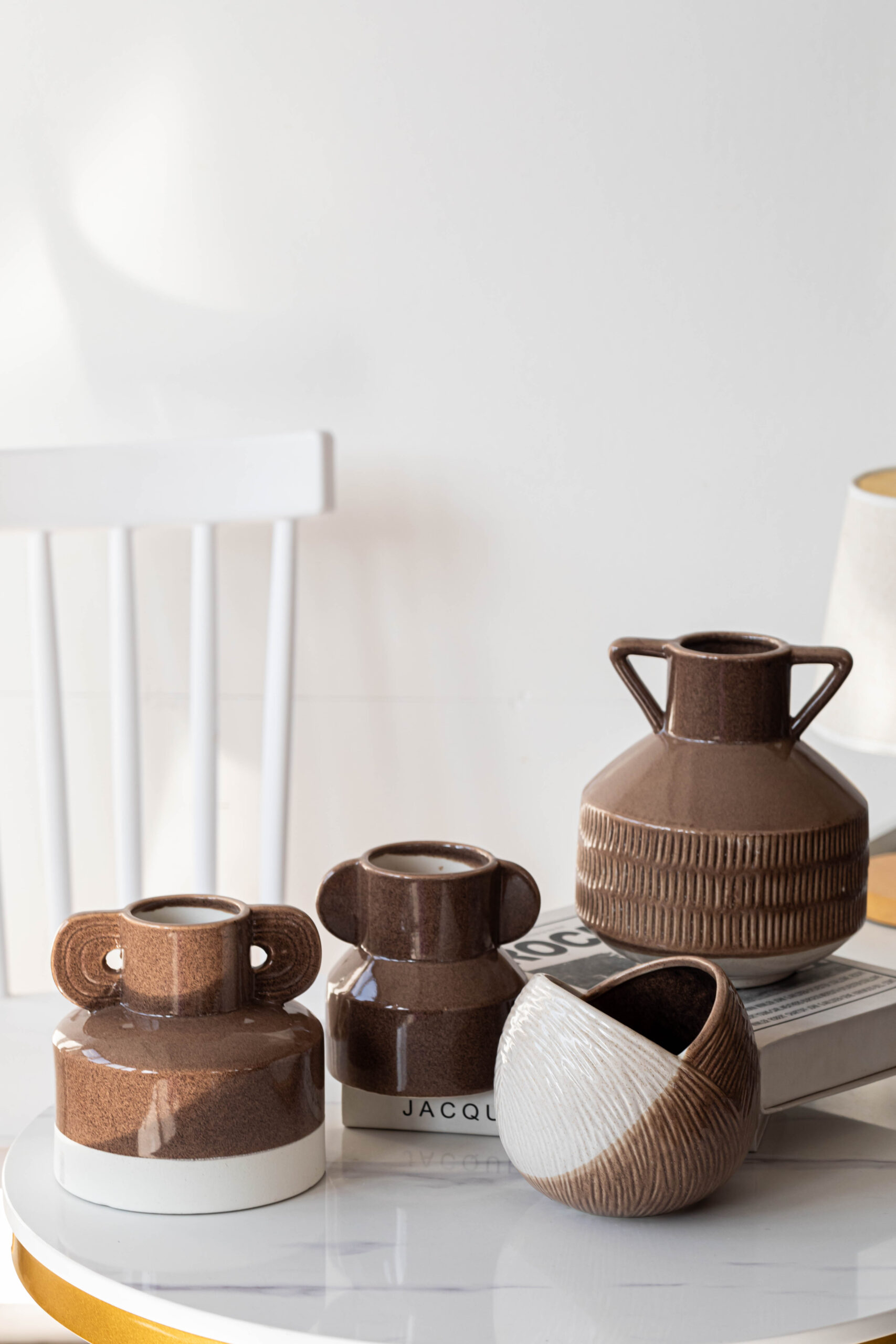
How Buyers Decide Which Part of a Trend Belongs in the Hero Piece and Which Part Belongs in the Safer SKU
Not every part of a trend deserves equal space inside a collection
This is one of the most important truths in assortment planning.
When a new trend begins to show up, many suppliers make the same mistake. They try to carry the whole trend across too many items at once. The hero piece gets the full treatment. The safer SKU gets the full treatment. Even the follow through pieces begin carrying the same trend weight.
At first this can feel coherent. Everything looks connected. Everything seems current. Everything appears to belong to the same visual moment.
But buyers usually read it differently.
They begin to feel that the collection has become too heavy in one direction. Too much of the same signal. Too much pressure on the shelf. Too little room for the safer parts of the range to do their job.
That is why smart buyers do something else.
They separate the trend. They decide which part of it belongs in the hero piece and which part belongs in the safer SKU.
That is where trend translation starts becoming commercial judgment.
A hero piece and a safer SKU are not supposed to carry the same kind of work
This is the starting point.
A hero piece is allowed to do more.
It can carry more visual risk.
More trend intensity.
More shape drama.
More finish personality.
More immediate attention value.
Its job is to wake up the assortment. It gives the collection a reason to be noticed.
A safer SKU has a different job.
It needs to carry enough of the trend to feel updated, but not so much that it becomes harder to place, harder to price, harder to repeat, or harder to trust in volume. Its job is not to perform the whole trend. Its job is to make the trend livable inside real business.
This is why buyers never read the trend in one flat way. They read it by role.
Buyers first ask which part of the trend is truly doing the emotional work
Not every detail in a trend matters equally.
Some parts are creating most of the attraction. Other parts are just adding visual load. A strong buyer tries to separate the two.
They ask:
What is the part customers will notice first
What is the part that makes the item feel fresh
What is the part that actually changes the mood of the assortment
What is the part that only makes the object harder to use
That distinction matters because hero pieces and safer SKUs should not inherit the same amount of emotional work.
The hero piece usually carries the part of the trend that creates the strongest first response. The safer SKU often carries only the part that signals the update without taking on the full burden of the original idea.
That is how the collection stays alive without becoming exhausting.
The hero piece usually carries the sharper edge of the trend
This is where the buyer allows more intensity.
If the trend is about softer sculptural form, the hero piece may carry the fullest version of that shape language. If the trend is about aged finish character, the hero piece may carry the richer surface treatment. If the trend is about warmer layered neutrals, the hero piece may take the deeper tonal expression.
This makes sense because the hero piece needs to do the work of attraction. It has permission to be the clearest expression of the trend.
But even here, buyers are still making choices. They do not simply say yes to everything.
They still ask:
Which trend element creates real pull
Which one adds difference without creating fragility
Which one helps the product lead the assortment instead of just decorating the trend story
This is why good hero pieces feel directional but not random. They do not carry the whole trend. They carry the most useful, most visible, most persuasive part of it.
The safer SKU usually carries the readable part of the trend
This is where discipline matters most.
A safer SKU still needs to feel current. It still needs to connect back to the hero piece. But it cannot afford to carry too much weight.
The buyer wants it to hold:
the cleaner version of the shape
the calmer version of the finish
the more stable expression of the trend tone
the more repeatable part of the visual idea
In other words, the safer SKU usually carries the signal in a more commercially quiet form.
That might mean:
a softer curve instead of the strongest sculptural form
a warmer tone without the heaviest surface treatment
a lighter expression of texture rather than the most artisanal one
a more controlled proportion that still feels part of the same family
This is not a watered down version of the trend. It is the version that knows how to live longer.
Buyers think in trend layers, not trend copies
This is where mature assortment thinking starts to show.
A weak collection copies the trend across products. A strong collection distributes the trend across products according to role.
That means the buyer is often thinking in layers.
One layer creates attention.
One layer creates comfort.
One layer creates continuity.
One layer makes the trend easier to enter.
One layer keeps the assortment from becoming too flat.
This is why the hero piece and the safer SKU should never be twins with different sizes. They should feel related, but they should not perform the same amount of trend energy.
The hero piece should say this is where the shift is happening.
The safer SKU should say this is how the shift becomes usable.
That difference is what makes a collection commercially intelligent.
Buyers also decide based on what the shelf can carry
This is a very practical filter.
A trend may look strong in a product meeting, but buyers are always imagining the shelf. They know the hero piece can hold more personality because it will often sit at the visual front of the story. It can justify its stronger expression by creating focus.
The safer SKU has to do something different.
It has to live next to other items.
It has to support a price ladder.
It has to help the collection breathe.
It has to create less hesitation in wider placement.
So the buyer asks:
What part of this trend can the shelf carry repeatedly without becoming too dense
What part will still make sense in more than one store context
What part helps the assortment feel updated without making the whole display feel overcommitted
This is why safer SKUs usually get the cleaner and more portable part of the trend. They have to work harder as supporting infrastructure.
A trend often needs to be split between attention value and repeat value
This may be the most useful way to understand the whole topic.
Attention value is what helps the collection get seen.
Repeat value is what helps the collection stay alive.
The hero piece is usually allowed to carry more attention value. The safer SKU must carry more repeat value.
That means the buyer is always balancing two different questions.
For the hero piece:
Will this create enough interest to justify the story
For the safer SKU:
Will this still feel easy enough to continue once the launch moment passes
If too much attention value leaks into the safer SKU, the collection becomes harder to repeat. If too little trend value reaches the hero piece, the collection may feel too quiet to matter.
This is why the split matters so much. It protects both the launch and the future.
Buyers often remove the most fragile part of the trend from the safer SKU first
This is another important pattern.
When buyers begin editing the trend, they usually start by removing the parts most likely to create future drag in the safer SKU. That might be the most unstable finish effect, the most extreme silhouette move, the detail that depends too much on styling support, or the material expression that feels too narrow for wider assortment use.
They do this because the safer SKU has less room for explanation.
It needs to feel easier immediately.
It needs to feel believable faster.
It needs to carry less risk into reorder.
That is why the safer SKU often reveals more about the buyer’s real commercial judgment than the hero piece does. It shows which part of the trend they believe can actually survive.
Hero pieces can afford more image value. Safer SKUs need more system value
This distinction is useful.
A hero piece can win partly through image power. It can create lift for the whole range by looking sharper, newer, or more expressive. That is part of its job.
A safer SKU has to contribute more to the system around it. It needs to support shelf logic, assortment flow, and range stability. It should still echo the trend, but it also needs to help the business remain buildable.
This is why buyers are usually much more careful about what they allow into the safer SKU.
They ask:
Can this still sit with existing range pieces
Can this survive into a second order
Can this help calm the collection rather than only excite it
Can this still feel current after the first wave of attention passes
That system thinking is what keeps the assortment from becoming too dependent on one visual moment.
The best collections make the hero piece feel exciting and the safer SKU feel inevitable
This is often the sign that the split was done well.
The hero piece should feel like the collection needed it. It gives the range energy. It tells the buyer that the assortment is moving.
The safer SKU should feel like the collection can depend on it. It makes the update easier to live with. It turns the shift into something that can hold volume, support continuity, and keep the assortment from relying too much on one expressive object.
When buyers achieve that balance, the collection starts working on two levels at once.
It creates attention.
It creates trust.
That is exactly what strong trend translation should do.
In home decor, the smartest trend decisions are usually about distribution not imitation
This is the deeper lesson.
A trend should not be copied across the assortment as though every SKU has the same role. It should be distributed with intent.
The hero piece gets the sharper message.
The safer SKU gets the steadier message.
The collection as a whole carries the update in layers.
That is what allows the assortment to feel current without becoming difficult, and directional without becoming fragile.
For a supplier like Teruierdecor, this is where trend translation becomes real business value. The opportunity is not only to show what is changing in taste, but to help buyers decide where the stronger part of the trend belongs and where the calmer part should take over. That means turning a visual shift into a layered collection strategy instead of a flat styling exercise. That is how the shelf gets both freshness and stability at the same time.
Final thought
Buyers decide which part of a trend belongs in the hero piece and which part belongs in the safer SKU because they are not building a mood board. They are building a working assortment.
The hero piece carries more of the trend’s attention value.
The safer SKU carries more of its repeat value.
The hero piece can speak louder.
The safer SKU has to live longer.
That is why the split matters.
A trend becomes commercially powerful not when every SKU says the same thing, but when each SKU says the right part of the trend for the job it needs to do.
Leave a Reply