

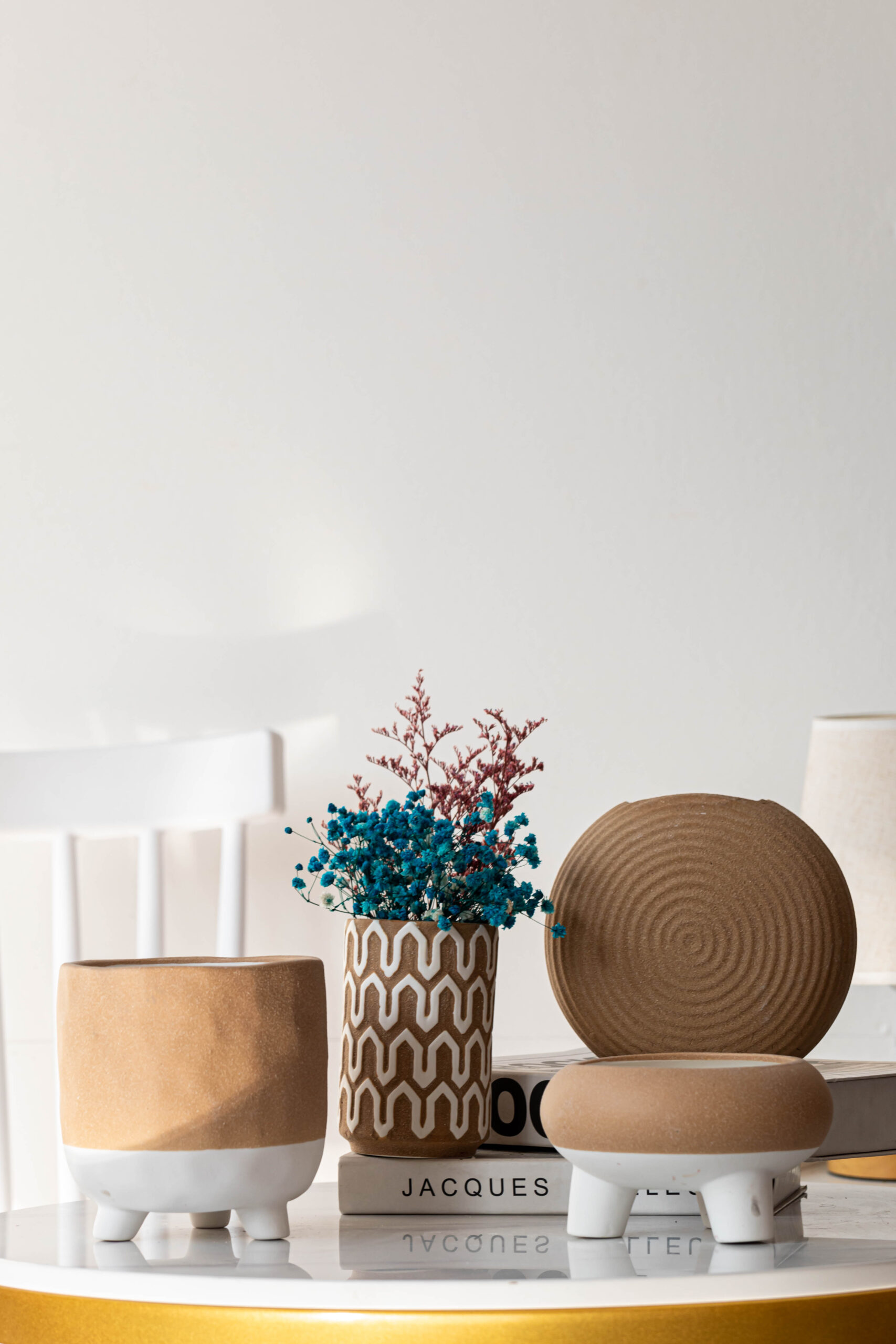
Hospitality and Project Buying Is Not the Same as Retail Buying
Hospitality and project buyers do not source home décor only for a shelf.
They source for spaces that must open on time.
A hotel lobby.
A serviced apartment.
A restaurant.
A model room.
A villa project.
A retail fit-out.
A furnished rental program.
A commercial interior package.
In these projects, one damaged mirror, one late wall décor batch, one wrong finish, or one unclear carton label can slow down installation.
For hospitality and project buyers, the real question is not only:
Does this product look good?
The better question is:
Can this product match the design, survive delivery, arrive on schedule, and install without creating extra work?
That is where Teruierdecor supports hospitality and project sourcing.
What Hospitality and Project Buyers Usually Need
Project buyers often need more coordination than ordinary product buyers.
They may need:
- custom size discussion
- finish coordination
- sample approval
- project-based quotation
- packaging review
- carton labeling
- delivery timing
- installation-friendly product notes
- QC before shipment
- product grouping by room or area
- reorder or replacement planning
This can apply to:
- wall mirrors
- full-length mirrors
- decorative wall décor
- ceramic vases
- tabletop décor
- ottomans and benches
- trays
- decorative bowls
- mixed-material accents
- entryway or lobby pieces
- room-setting accessories
A project buyer is not only buying products.
They are buying fewer surprises before opening, handover, or installation.
The First Project Question: Where Will the Product Be Used?
Hospitality products must be judged by location.
A decorative vase for a lobby console is not the same as a vase for a guest room shelf.
A bench for a hotel room is not the same as a bench for a residential entryway.
A mirror for a bathroom vanity is not the same as a decorative mirror for a corridor.
A wall décor piece for a restaurant may need a different size, finish, and mounting method than one for a retail store.
Before sourcing, buyers should clarify:
- room type
- wall size
- furniture layout
- lighting condition
- user traffic
- cleaning needs
- installation method
- safety expectations
- replacement difficulty
- project deadline
A product that works beautifully in a home may not be suitable for a high-traffic hospitality space.
Teruierdecor helps buyers review products through real placement, not just catalog appearance.
Mirrors: A Key Category for Hospitality Projects
Mirrors are often important in hospitality and fit-out projects because they affect both function and space feeling.
They may be used in:
- hotel rooms
- bathrooms
- corridors
- lobbies
- dressing areas
- furnished apartments
- restaurants
- retail spaces
- model rooms
For project buyers, mirror sourcing should consider:
- size
- frame material
- frame finish
- hanging method
- mirror thickness
- packaging strength
- carton size
- edge protection
- installation notes
- finish coordination with lighting and hardware
A mirror with the wrong finish can fight the room.
A mirror with weak packaging can create replacement pressure.
A mirror with unclear hanging hardware can slow down installation.
For hospitality projects, mirror sourcing should be practical, not just decorative.
Wall Décor: Large Visual Impact, High Installation Risk
Wall décor is useful in hospitality and project spaces because it fills visual gaps quickly.
But wall décor also brings risk.
Large pieces may be hard to pack.
Corners may be damaged in shipping.
Frames may scratch.
Back panels may be weak.
Hanging hardware may not align well.
The product may look good from the front but fail during installation.
Project buyers should check:
- wall coverage size
- product weight
- hanging hardware
- back structure
- corner protection
- surface finish
- carton strength
- installation notes
- whether the piece hangs straight
- whether multiple pieces need matching alignment
In hospitality projects, wall décor must be more than attractive.
It must be installable.
Ceramics and Decorative Vases: Easy to Style, Easy to Break
Ceramic décor and decorative vases are useful for hotel lobbies, guest rooms, reception spaces, restaurants, and model rooms.
They help finish a space without changing furniture.
But ceramics are fragile and finish-sensitive.
Project buyers should check:
- vase size
- base stability
- rim quality
- glaze consistency
- decorative-only or water-holding use
- surface marks
- packaging protection
- carton labeling
- replacement quantity
- whether the same finish can be reordered
A large vase may look impressive in a lobby, but if it breaks easily or needs expensive packaging, the buyer should know early.
A small tabletop ceramic may look simple, but if the glaze shifts from batch to batch, the project may lose finish consistency.
Teruierdecor helps buyers review ceramic products through both styling and shipment risk.
Ottomans and Benches: Decorative, Functional, and Easy to Underestimate
Benches and ottomans can work well in hospitality spaces.
They may be placed in:
- bedrooms
- dressing areas
- entryways
- waiting spaces
- model rooms
- retail fitting areas
- lounge corners
But these products are not only decorative.
People sit on them.
Project buyers should review:
- seat height
- frame stability
- cushion firmness
- fabric cleanliness
- fabric durability
- leg balance
- metal or wood finish
- hardware quality
- packaging method
- assembly instructions
- replacement planning
A bench that looks good in a photo may wobble in real use.
A fabric that looks neutral online may stain or collect dust during transport.
A metal leg finish may scratch before installation.
For project use, small seating must be checked as both furniture and décor.
Finish Coordination Matters More in Projects
In project sourcing, finish mistakes are highly visible.
A soft gold mirror frame may look too yellow beside bathroom hardware.
A bronze bench leg may not match lighting fixtures.
A warm white ceramic vase may look gray under hotel lighting.
A wood wall décor piece may feel too orange beside built-in furniture.
A black metal tray may feel too harsh in a soft hospitality room.
Project buyers should think across categories:
- mirror frame finish
- wall décor finish
- ceramic glaze tone
- bench leg finish
- upholstery color
- tabletop accessory color
- metal hardware tone
- wood undertone
A project does not need everything to match.
But everything should belong to the same finish family.
Teruierdecor helps buyers review finish coordination before products move too far into sampling or production.
Custom Size and Custom Finish: Useful, But Must Be Planned Early
Hospitality and project buyers often need custom adjustments.
This may include:
- custom mirror size
- custom frame finish
- adjusted wall décor size
- specific ceramic glaze tone
- custom upholstery fabric
- custom bench dimensions
- special packaging requirements
- project-specific labeling
- product grouping by room or floor
Custom development is valuable, but it affects timeline, MOQ, sample approval, and cost.
Project buyers should clarify early:
- what must be custom
- what can use catalog products
- what finish standard must be matched
- what size tolerance is acceptable
- whether a physical sample is required
- whether production approval depends on designer sign-off
The safest project sourcing path is often:
catalog base + controlled customization.
This reduces development risk while still giving the project a more tailored result.
Project Timing: Late Products Create Real Costs
Hospitality and project sourcing is deadline-sensitive.
A product delay can affect:
- installation schedule
- room photography
- handover date
- opening date
- contractor coordination
- warehouse storage
- client approval
- replacement planning
Project buyers should discuss the full timeline:
| Timeline Step | Why It Matters |
|---|---|
| Product selection | Defines sourcing scope |
| Sample development | Confirms size, finish, and material |
| Sample approval | Locks the standard |
| Packaging review | Protects shipment and installation |
| Bulk production | Main production window |
| QC inspection | Catches issues before shipment |
| Shipping preparation | Labels, cartons, documents |
| Delivery planning | Supports project installation |
A project buyer should not ask only for production lead time.
The real question is:
Can the full sourcing process fit the project calendar?
Teruierdecor helps buyers separate fast catalog options from slower custom development paths.
Packaging for Projects Must Be More Organized
Project packaging is not only about protection.
It is also about site organization.
When many products arrive for one project, buyers may need clear carton labels, room grouping, product codes, and installation notes.
Packaging should support:
- fragile protection
- surface protection
- carton strength
- room or area identification
- item number clarity
- quantity control
- hardware bag placement
- instruction sheet placement
- replacement tracking
- warehouse handling
For project buyers, unclear packaging creates installation chaos.
A carton that only says “home décor” is not enough when the site team needs to find the right mirror, vase, or wall piece for the right room.
Good packaging helps the project move faster.
QC Before Shipment Is Critical for Project Orders
Project buyers have less tolerance for shipment problems because replacement timing can be difficult.
QC should check:
- product size
- finish consistency
- surface condition
- structural stability
- hanging hardware
- bench leg balance
- ceramic cracks or chips
- mirror frame quality
- wall décor corners
- packaging fit
- carton labeling
- quantity per item
- approved sample match
For project products, QC should also confirm whether the shipment matches the room schedule or product list.
If a project requires 80 mirrors, 120 vases, 40 benches, and 200 tabletop accessories, quantity mistakes become serious.
Teruierdecor helps buyers treat QC as project risk control, not only product inspection.
Product Notes Help Designers, Buyers, and Site Teams
Project sourcing involves many people.
Designers, buyers, procurement teams, contractors, warehouse staff, installers, and sometimes hotel owners may all need product information.
Useful product notes include:
- item number
- product name
- dimensions
- material
- finish
- color
- weight
- usage notes
- installation notes
- packaging method
- carton details
- care instructions
- water-use note for vases
- hardware information
- replacement notes
A product with clear notes is easier to approve, quote, ship, install, and reorder.
A product without clear notes creates repeated questions.
In project sourcing, clarity saves time.
How Teruierdecor Supports Hospitality and Project Buyers
| Project Buyer Need | Teruierdecor Support |
|---|---|
| Product selection | Recommend suitable home décor categories and product groups |
| Custom size | Discuss size adjustment for mirrors, wall décor, benches, and décor items |
| Custom finish | Support ceramic, metal, wood, fabric, and mixed-material finish review |
| Sample development | Help confirm size, material, finish, and packaging before production |
| Project timing | Clarify sample, production, QC, and shipping timeline |
| Packaging | Protect fragile products and support organized delivery |
| QC | Check product, finish, structure, labels, packaging, and quantity |
| Product notes | Provide details for buyer, designer, and installation communication |
| Reorder support | Keep records for replacement or future project phases |
Teruierdecor’s role is to help project buyers move from design intent to workable product execution.
Comparison: Retail Buyer vs Hospitality Project Buyer Needs
| Buying Area | Retail Buyer Focus | Hospitality / Project Buyer Focus |
|---|---|---|
| Product role | Shelf and sell-through | Room fit and installation use |
| Finish | Retail consistency | Match with lighting, hardware, and interior scheme |
| Sample | Retail SKU approval | Project approval and designer sign-off |
| Packaging | Store and warehouse handling | Site delivery, product grouping, damage prevention |
| MOQ | Assortment and price ladder | Project quantity and replacement needs |
| Timeline | Selling season | Opening, handover, installation deadline |
| QC | Shelf-ready quality | Installation-ready quality |
| Product notes | Retail selling and reorder | Designer, buyer, contractor, installer communication |
Hospitality buyers need products that look good in the room and behave well in the project system.
Practical Checklist for Hospitality and Project Buyers
Product Fit
- Where will the product be used?
- Is it decorative, functional, or both?
- Does the size fit the room?
Finish Coordination
- Does the finish match nearby hardware, lighting, furniture, and surfaces?
- Will it look right under project lighting?
- Are finish samples needed?
Custom Requirements
- Is custom size required?
- Is custom finish required?
- Can a catalog product be adjusted instead of fully custom developed?
Timeline
- What is the installation deadline?
- When must samples be approved?
- When must production start?
- When must goods ship?
Packaging
- Can fragile and surface-sensitive items be protected?
- Are cartons labeled clearly?
- Can products be grouped by room, area, or item type?
QC
- Does the batch match the approved sample?
- Are sizes, finishes, quantities, and carton marks correct?
- Are installation-related parts complete?
These questions reduce project surprises.
Common Mistakes in Hospitality Home Décor Sourcing
Mistake 1: Choosing products only by appearance
A project product must also fit size, installation, durability, packaging, and timeline requirements.
Mistake 2: Requesting custom size too late
Custom products need time for sample development, quotation, packaging, and approval.
Mistake 3: Ignoring finish under project lighting
A finish that looks right in a catalog may shift in hotel or restaurant lighting.
Mistake 4: Treating packaging as ordinary export packing
Project packaging may need clearer labels, stronger protection, and installation-friendly organization.
Mistake 5: Not preparing replacement planning
Projects should consider breakage, spare quantity, or future reorder needs.
Mistake 6: Not sharing the project schedule early
Without the real deadline, the supplier cannot judge whether the sourcing plan is realistic.
FAQ: Home Décor Sourcing for Hospitality and Project Buyers
What should hospitality buyers look for in a home décor supplier?
Hospitality buyers should look for a supplier that can support custom size, finish coordination, sample development, packaging, QC, product notes, project timing, and delivery planning.
Can Teruierdecor support custom home décor for projects?
Teruierdecor can discuss custom size, finish, material, packaging, and product development depending on category, quantity, timeline, and production feasibility.
What categories are useful for hospitality projects?
Common categories include mirrors, wall décor, ceramic vases, tabletop décor, ottomans, benches, trays, decorative bowls, and mixed-material accents.
Why is packaging important for project orders?
Project products may pass through export shipping, warehouse handling, site delivery, and installation. Strong and clear packaging helps reduce damage and confusion.
Should project buyers request samples?
Yes. Samples help confirm size, finish, material, structure, and project fit before bulk production.
What should buyers include in a project sourcing request?
Buyers should include product category, project type, target room or area, size, material, finish, quantity, timeline, packaging needs, installation concerns, and customization requirements.
Final Buying Judgment
Hospitality and project buyers do not need products that only look good in a catalog.
They need products that can pass the project test:
Will it fit the room?
Will the finish match the design?
Can the size and packaging work?
Can it arrive before installation?
Can the site team handle and install it without confusion?
If the answer is yes, the product is closer to being project-ready.
Teruierdecor helps hospitality and project buyers connect design intent, product development, finish coordination, packaging, QC, and delivery planning.
Because in project sourcing, the product is not successful when it is approved in a photo.
It is successful when it arrives safely, installs smoothly, and looks right in the finished space.
Leave a Reply