

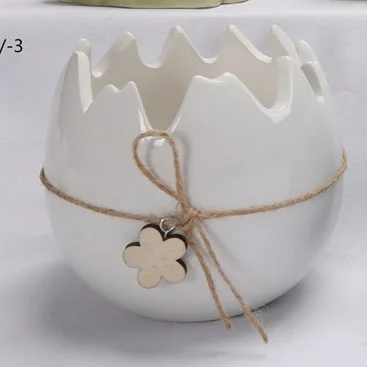
Of course! Easter eggshell decorations are a classic and beautiful craft. They move beyond simple dyeing to create intricate, delicate keepsakes. Here’s a comprehensive guide to creating your own.
The Foundation: Preparing the Eggshells
This is the most important step for a successful decoration.
What You’ll Need:
-
Raw eggs (white eggs work best for painting, brown can be great for a natural look)
-
A sharp pin, needle, or specialty egg-blowing tool
-
A small bowl
-
Disinfectant soap or a bleach solution (for cleaning)
-
Paper towels
The Blowing Method (Recommended for Keepsakes):
This method empties the egg, leaving a hollow, odor-free shell that can last for years.
-
Poke Holes: Gently tap the pointy end of the egg with a pin to create a small hole. At the rounder bottom end, make a slightly larger hole (about 1/8 inch or 3mm). Be careful not to crack the shell.
-
Pierce the Yolk: Wiggle the pin or a toothpick inside the larger hole to break the yolk.
-
Blow Out the Contents: Hold the egg over the bowl. Place your lips over the smaller hole and blow firmly but steadily. The egg’s contents will come out of the larger hole. This takes a bit of practice!
-
Rinse: Hold the empty shell under running water, shaking it to rinse out any remaining egg. You can also use a small syringe to force water through it.
-
Disinfect and Dry: To prevent any smell, soak the shells in a mild bleach solution (1 tsp bleach to 1 cup water) for 30 minutes. Rinse thoroughly and let them dry completely on a paper towel.
The Hard-Boiling Method (Easier, but perishable):
-
Simply hard-boil eggs as you normally would. Let them cool completely before decorating.
-
Note: These will eventually spoil if not refrigerated and must be handled carefully to avoid cracking.
Decoration Techniques & Ideas
Once your shells are ready, the fun begins!
1. Painting & Drawing
The simplest and most versatile method.
-
Acrylic Paints: Perfect for vibrant, opaque designs. Use small brushes for details.
-
Watercolors: Create beautiful, soft washes of color.
-
Markers: Fine-line permanent markers (like Sharpies) or paint markers are excellent for intricate patterns, dots (pointillism), and words.
-
Ink or Food Coloring: For a more traditional, stained-glass look.
Pro Tip: Place a rolled-up piece of tape or a small piece of modeling clay on your workspace to hold the egg steady while you paint.
2. Decoupage
Gluing delicate paper onto the eggshell.
-
Materials: Napkins with pretty patterns (separate the top, printed layer), tissue paper, or even pages from an old book.
-
Method: Tear or cut the paper into small pieces. Use a soft brush to apply a thin layer of decoupage glue (like Mod Podge) to a small section of the egg, place the paper on top, and gently brush another layer of glue over it to seal. Smooth out any wrinkles. Repeat until covered.
3. Embellishing
Adding textures and materials for a 3D effect.
-
Ribbon & Lace: Glue pretty ribbons or lace around the middle or top of the egg.
-
Sequins, Beads, and Gems: Use tweezers and a strong craft glue to create sparkling patterns.
-
Twine or Yarn: Coat a section of the egg in glue and carefully wrap twine or colorful yarn around it.
-
Natural Materials: Glue on small dried flowers, leaves, or even coffee beans for a rustic look.
4. Découpage avec Serviettes (Napkin Decoupage) – A Special Mention
This technique deserves its own highlight for its stunning results.
-
Choose a high-quality paper napkin with a design you love.
-
Carefully separate the top, thin, printed layer from the white backing layers.
-
Cut out the motifs you want to use.
-
Place the cut-out motif face-down on the egg.
-
Using a flat brush, gently apply decoupage glue over the back of the napkin. The paper will become nearly transparent, leaving only the beautiful design fused to the eggshell. This takes a gentle touch!
5. The Ukrainian Wax-Resist (Pysanka) Method (Advanced)
This ancient art form uses a special tool called a kistka to draw with hot beeswax, which resists dye.
-
Draw a design on the egg with a pencil.
-
Heat the kistka in a candle flame, fill it with beeswax, and draw over all the lines you wish to remain white.
-
Dip the egg in the lightest dye (e.g., yellow).
-
Use the kistka to draw over any parts you want to stay yellow.
-
Dip in the next darkest dye (e.g., red).
-
Continue this process, sealing in each color with wax.
-
Once finished, hold the egg near the candle flame and gently wipe away the melted wax to reveal the brilliant, layered design underneath.
Displaying Your Masterpieces
Hollow eggshells are fragile. Here’s how to show them off safely:
-
Egg Cups or Stands: Small decorative stands are perfect for single eggs.
-
In a Bowl or Basket: Nestle them in shredded paper grass, moss, or excelsior for a beautiful centerpiece.
-
As Ornaments: Before blowing the egg, thread a long needle with embroidery floss or a thin ribbon. Push the needle through the larger bottom hole and out the top hole. Tie the ends together to create a loop for hanging. You can also glue a small loop of ribbon to the top.
-
In a Shadow Box: For your most precious creations, a deep picture frame protects them from dust and damage.
Have a wonderful and creative Easter!
Leave a Reply