

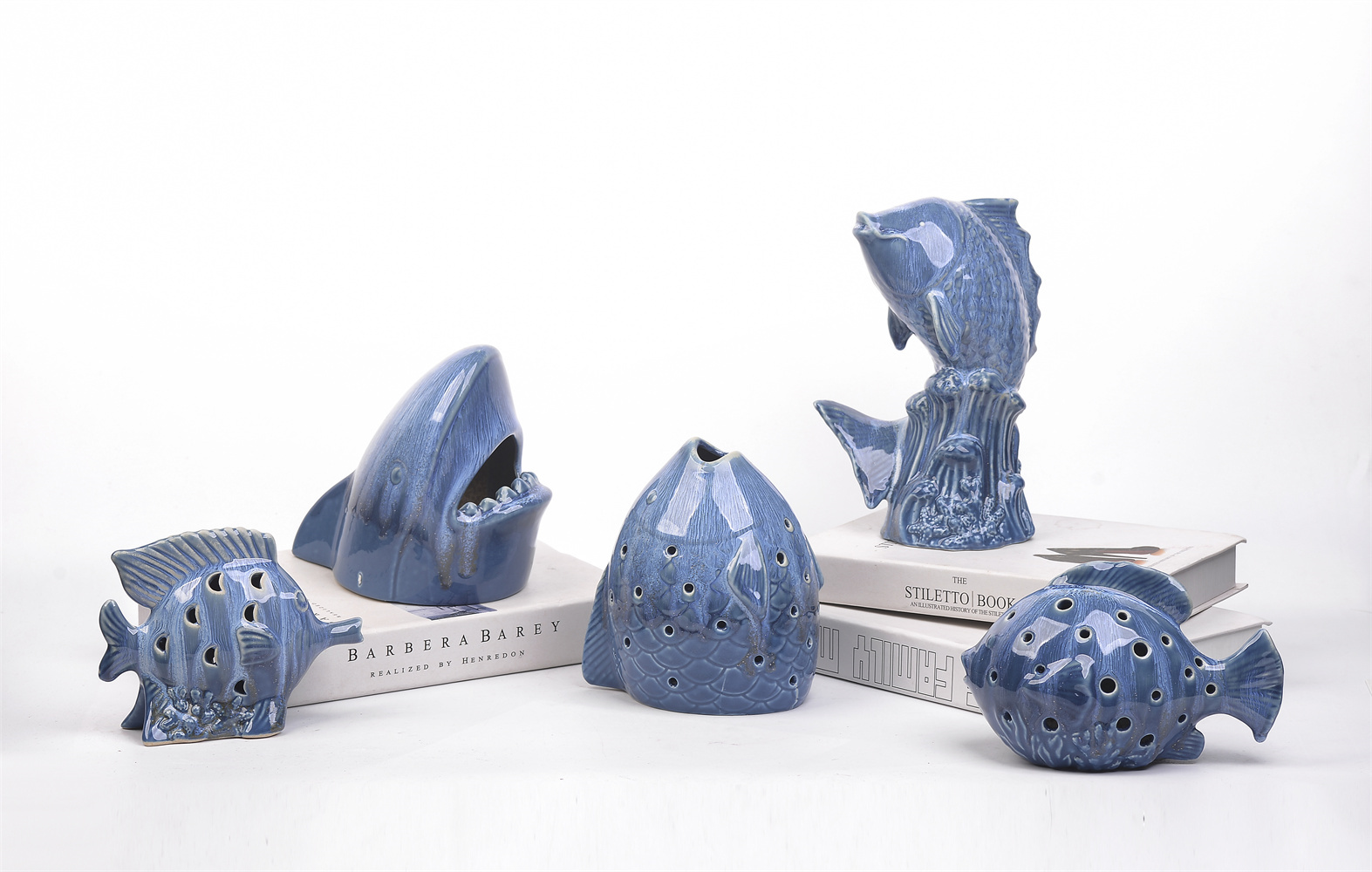
China Isn’t a “Look.” It’s a Vocabulary: A French Designer’s Take on Chinese Ceramic Home Decor Wholesale
Let me say it the French way: If your ceramics don’t look “chosen,” they won’t feel premium—no matter the price.
That’s why I prefer to talk about Chinese ceramic home decor wholesale as a design vocabulary, not a sourcing shortcut. Because China is not one aesthetic. It’s a deep ecosystem—heritage craftsmanship, industrial discipline, and the ability to translate a “gallery moment” into a retail program when the brief is clear.
And if you need one authoritative anchor for that idea, Jingdezhen alone tells the story: Britannica describes it as China’s porcelain capital, producing high-quality wares at scale for centuries, including major export periods.
2026 show signals: craft is back, but it must be merchandisable
At Maison&Objet (Jan 2026), the theme “Past Reveals Future” is framed as a response to homogenization and overconsumption—design that feels lived-in, meaningful, and rooted.
At Ambiente, the Trends 26+ framing (“brave, light, solid”) points toward stronger forms and clear material language—exactly what ceramics need to read as intentional on shelf.
My takeaway for buyers: the winning wholesale ceramics for 2026 are not “more SKUs.” They are fewer, clearer silhouettes—objects that carry a point of view.
TikTok’s cue: the object has to “read” in one second
I don’t design for TikTok, but I absolutely watch what it rewards—because it reveals what customers instantly recognize.
Elle Decor’s 2026 TikTok interior trends list includes “cabbagecore” (leafy, whimsical ceramics/tableware), plus broader shifts toward nostalgia and tactility. That matters for ceramics because it favors pieces that are sculptural, playful, and photo-ready.
So when you’re buying ceramic decorative wholesale, ask:
Will this look like a find in a one-second scroll? Or like a commodity?
How to buy Chinese ceramics like a French curator (not like a warehouse)
If you want ceramic decoration wholesale that still feels “collected,” build a mini-collection:
-
3 silhouettes (tall statement / everyday medium / small bud)
-
2 finish lanes (one quiet neutral, one signature glaze)
-
1 hero piece (your endcap + photo anchor)
This structure works across retail styles:
-
For farmhouse decor wholesale, keep silhouettes classic, then add one surprising glaze or handle detail.
-
For Santa Fe style pottery wholesale, lean into earthy surfaces, warmer tones, and form language that feels handcrafted rather than polished-perfect.
-
For “premium corners,” reserve a small capsule as gallery quality pottery—more sculptural, more limited, priced as a collectible.
You’re not just ordering ceramics. You’re building a program customers can recognize and re-collect.
The sleeper hit category: ceramic aroma diffuser (function meets décor)
Here’s what many buyers miss: “tactile living” is trending—people want small rituals at home. TikTok’s “friction-maxxing” and the broader return to analog comfort makes functional objects feel meaningful again.
That’s why a ceramic aroma diffuser can outperform another “nice vase” in certain stores: it’s décor + ritual + gifting in one SKU. If you’re creating a gift-ready assortment, this is the kind of functional ceramic that earns shelf space quickly.
A quiet credibility line you can use with B2B buyers
When retailers ask, “Why China for ceramics?” you don’t need hype. You need a clean, true sentence:
UNESCO’s materials on Jingdezhen’s kiln heritage emphasize craftsmanship and the role porcelain exports played in intercultural exchange and trade—exactly the kind of provenance language that supports premium positioning.
That’s how “made in China” becomes made with savoir-faire—when your assortment is curated, not random.
The designer’s one-line rule
For Chinese ceramic home decor wholesale in 2026: buy mini-collections (not single SKUs), choose one hero object that photographs instantly, and balance one “retail-friendly” lane with one “gallery quality” lane—so bulk still feels collected.
Leave a Reply