

Ceramic Crafts Wholesale: How I Buy “Handmade Energy” Without the One-Off Headache
When I search ceramic crafts wholesale, I’m not looking for “cheap ceramics.” I’m looking for that rare sweet spot: pieces that feel like art you can live with—but still arrive on time, packed right, and consistent enough to reorder.
Because in a real store, “craft” isn’t a vibe. It’s a program.
And the big shift is this: contemporary craft (ceramics included) keeps blurring the lines between art, craft, and design, which is exactly why ceramic objects are showing up as décor statements—not just functional wares.
What counts as “ceramic crafts” in decor (buyer translation)
In my world, ceramic crafts are the objects customers buy even when they don’t “need” them:
-
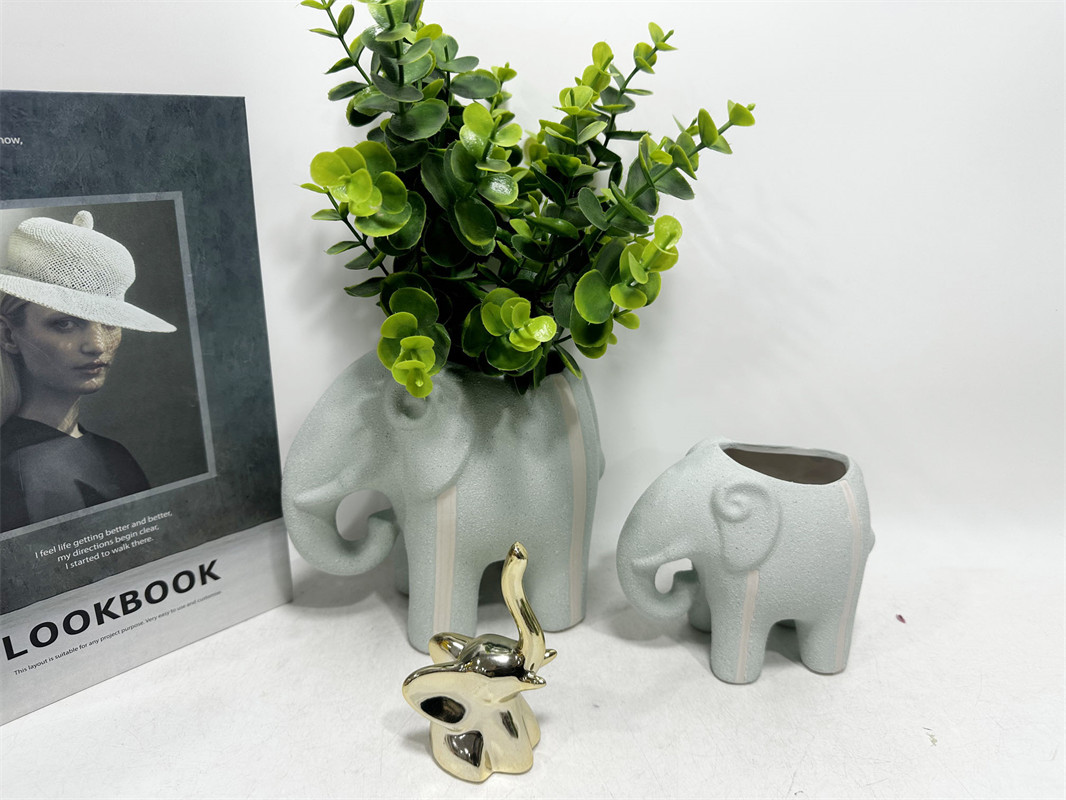
sculptural vases that look good empty
-
small tabletop objects (catchalls, accent bowls)
-
candleholders, wall pockets, mini vessels
-
textured pieces that beg to be touched (carved, ribbed, matte/gloss contrast)
If it helps someone style a shelf in 10 seconds, it belongs in the buy.
The mistake most suppliers make: selling singles instead of a collection
A “crafty” hero piece is nice. A sellable ceramic crafts wholesale line has structure:
1) A size ladder
Small / medium / large in the same design language (so customers can choose by space).
2) A finish family
Two calm lanes + one personality lane (so your shelf looks curated, not chaotic).
3) Repeatable variation rules
Handmade character is great. “Every shipment looks different” is not.
The 5 ceramic craft SKUs I reorder most (because they actually move)
-
Bud vases (giftable, add-on friendly)
-
One sculptural “anchor” vase (for entry consoles)
-
Low bowls/catchalls (coffee table workhorse)
-
A set-able trio (table centerpiece look without effort)
-
One tactile texture SKU (carved/ribbed) to make the whole table feel premium
This mix sells because it’s décor-first: people buy the moment, not the object.
My 7-question supplier screen for ceramic crafts wholesale
If you want to be a supplier I reorder from, I ask this—fast:
-
What’s your consistency promise? (dimensions, weight feel, wobble tolerance)
-
What can vary, and what cannot? (glaze tone range, texture intensity)
-
Can you build sets on purpose? (not random sizes—true size ladder)
-
Do you have packaging discipline for parcel/warehouse reality?
ISTA Procedure 3A is widely used as a simulation test for individual packaged products shipped through parcel systems (drops, vibration, compression). -
Can you provide clean SKU data? (dims, carton pack, photos that match reality)
-
What’s your reorder rhythm? (lead time + what stays stable across batches)
-
Do you have a “decor-only” labeling plan when needed? (so retail teams don’t get surprised later)
If a supplier answers these clearly, I can build a collection. If they can’t, I’m buying problems.
How I merchandise ceramic crafts so they sell like decor (not like “souvenirs”)
I don’t display ceramics as “items.” I display them as ready-made styling recipes:
-
a trio with height variation = instant centerpiece
-
one sculptural vase + one small bud + one bowl = instant console story
-
group by finish family, not by SKU name = the shelf looks intentional
Customers don’t want to become designers. They want to copy a look.
Quick FAQ
What does “ceramic crafts wholesale” mean?
Bulk purchasing of decorative ceramic craft items (vases, small art objects, accent vessels, tabletop décor) intended for retail merchandising and interior styling.
How is ceramic crafts wholesale different from ceramic dinnerware wholesale?
Ceramic crafts wholesale is décor-first (visual impact, texture, styling sets). Dinnerware is function-first (food use, utility, strict matching).
What packaging standard is commonly referenced for shipping fragile ceramics?
ISTA 3A is commonly used to simulate parcel-shipping hazards (drops, vibration, compression) for individually packaged products.
Why are ceramics sold as “art objects” now?
Contemporary craft increasingly blends art, craft, and design—making ceramic pieces desirable as sculptural décor even without functional use.
Leave a Reply