

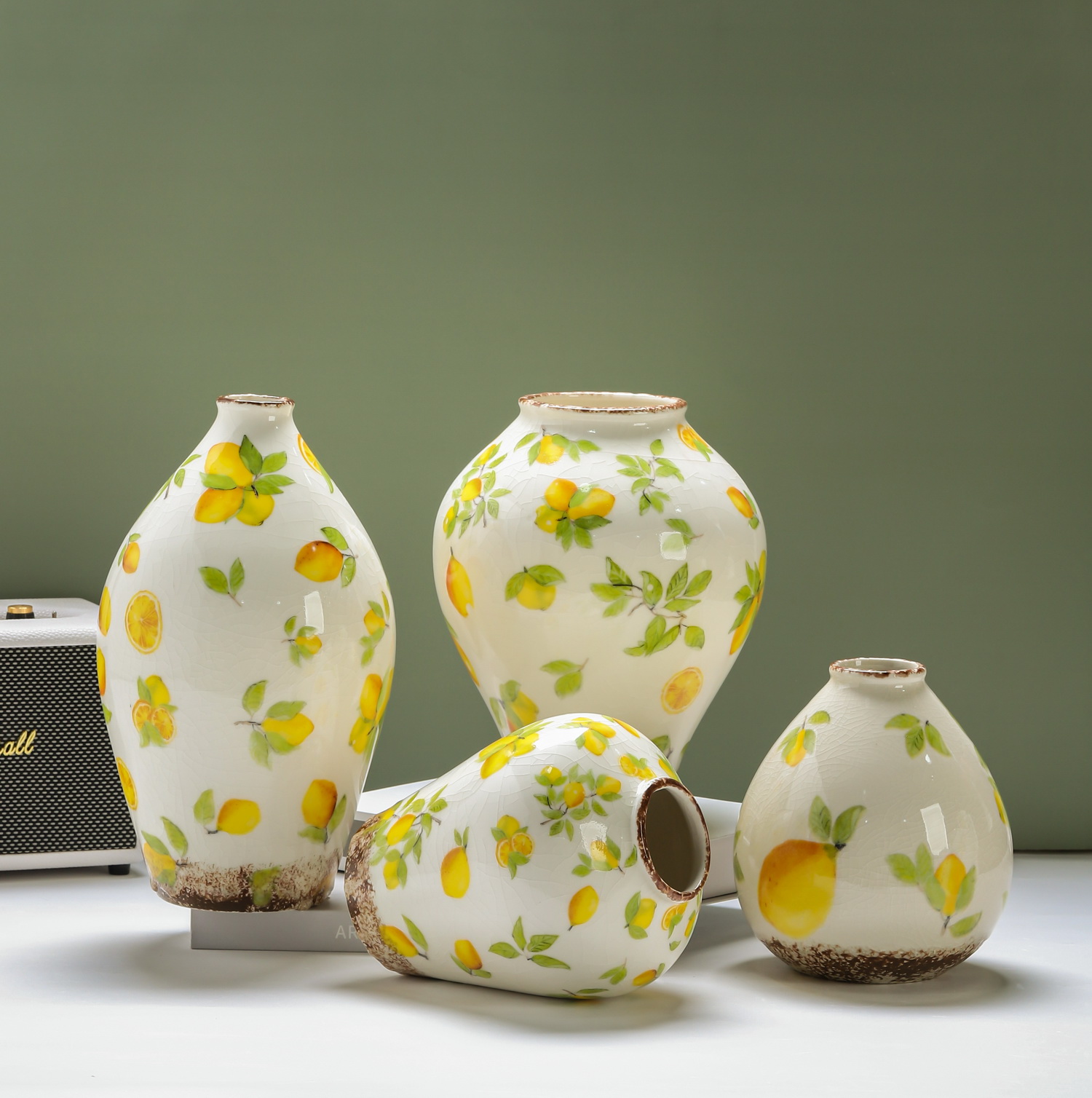
Luxury Vase Collections That Don’t Just Look Expensive—They Sell
I’ll say the quiet part out loud: most “luxury” vases aren’t luxury. They’re just overpriced—and the shelf tells on them.
Real luxury vase collections have a different job. They don’t just sit there looking pretty. They carry the table, anchor a room photo, and (best of all) become the “gift that doesn’t get returned.”
And right now, the timing is perfect: entertaining is trending back toward color, personality, and collected charm—exactly the mood where a strong centerpiece wins.
The table is back—so your centerpiece program matters again
Design media has been calling out the return of the dining room in 2025—formal and flexible spaces, which means the table is once again a stage, not an afterthought.
Add gifting to the mix, and décor gets a second sales engine. NRF forecasted U.S. holiday sales topping $1 trillion for Nov–Dec 2025, explicitly including decorations and seasonal items.
That’s why buyers are rebuilding tabletop assortments with fewer “theme pieces” and more reusable heroes—the kind that work all year.
What makes a vase feel “luxury” in 10 seconds
When shoppers pick up a vase, they’re doing a fast checklist (even if they don’t realize it):
-
Weight + balance: it shouldn’t feel hollow or top-heavy
-
Surface confidence: glaze looks deep, not flat; texture feels intentional
-
Craft signal: subtle variation reads artisanal, not defective
-
Silhouette discipline: clean lines that don’t fight the flowers
This is where handcrafted ceramic décor earns its keep. Consumers are leaning into craft—objects with touch, story, and human variation—because it feels more personal than mass sameness.
That “craft signal” is the difference between a vase that gets admired and a vase that gets bought.
OEM table centerpieces: how to scale without losing the “handmade” magic
Here’s the buyer trick: you don’t scale a centerpiece by copying the exact handmade piece. You scale it by designing a system.
If you’re building OEM table centerpieces, think in “family sets,” not single SKUs:
-
one hero vase (statement shape)
-
one support vase (simpler, volume-friendly)
-
one accent piece (low height for layering—think bowl/votive form)
That gives your merchants options: stackable displays, easy styling, and a clean story for ecommerce imagery. It also makes factory execution clearer: you can lock the glaze spec, tolerance standards, packaging rules, then run the set season after season.
A Southern style table centerpiece is not “rustic”—it’s abundant
“Southern style” isn’t about heavy themes. It’s about hospitality: color, warmth, and a little collected imperfection—fresh florals, herbs, playful pattern, and pieces that feel like they’ve lived a few good stories.
So the vase collection that works here isn’t overly fussy. It’s:
-
rounded forms that feel welcoming
-
soft texture (ribbing, carved lines, hand-thrown character)
-
colors that photograph (creams, greens, terracotta, deep reds, glossy neutrals)
If your luxury vase collections can flex between “Sunday brunch” and “holiday hosting,” you’ve got winners.
Decorative accent sourcing: the 3-question filter buyers should use
When I’m doing decorative accent sourcing, I run every “pretty” vase through three questions:
-
Does it merch with flowers and without flowers? (Most shoppers buy empty.)
-
Will it survive shipping and still look premium? (Carton reality beats showroom fantasy.)
-
Can I reorder it cleanly? (Luxury that can’t be repeated is just a sample.)
If the answer isn’t “yes” across all three, it’s not a program—it’s a one-time photo.
The buyer takeaway
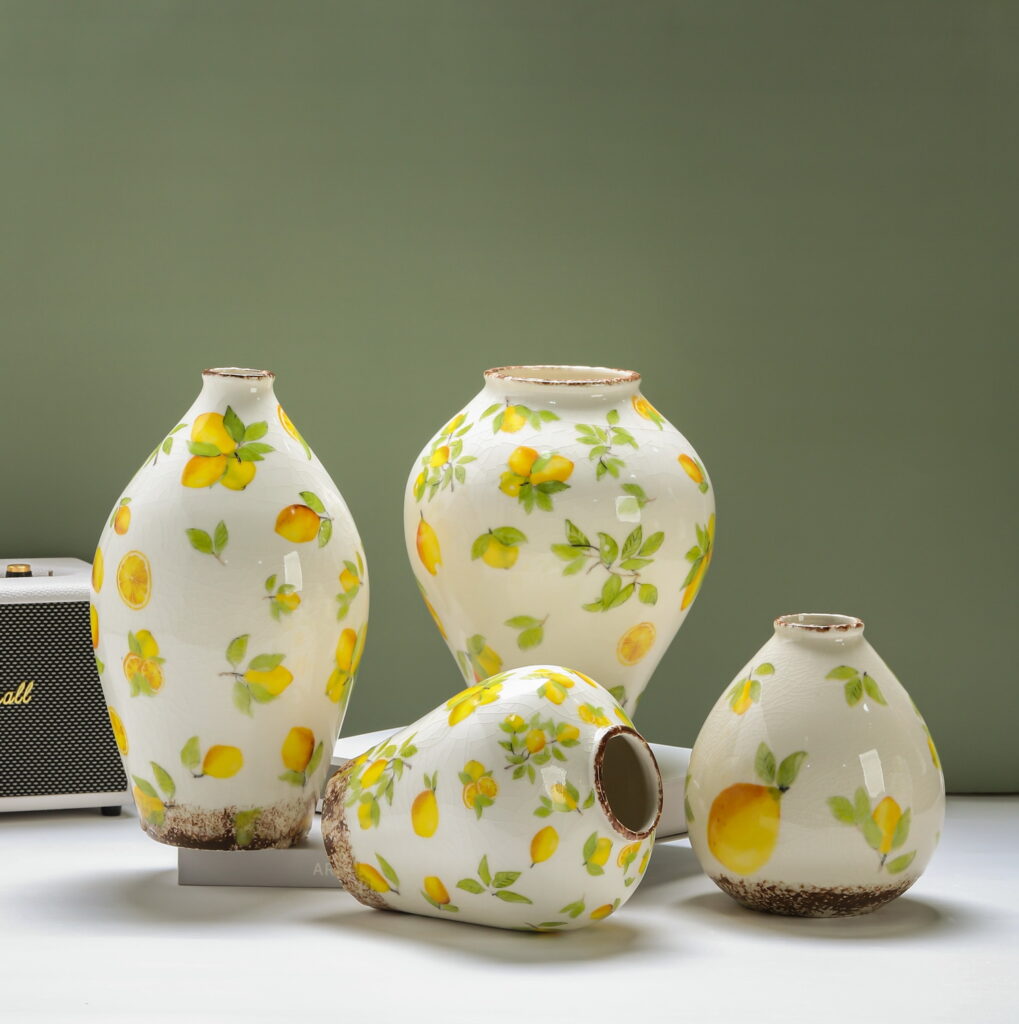
If you want luxury vase collections that perform, build them like a centerpiece toolkit: artisanal feel, OEM repeatability, and a Southern-ready styling story that makes the table look “done” in 30 seconds.
Because the best décor doesn’t beg for attention.
It makes the whole room feel more expensive—and it sells itself.
Leave a Reply