

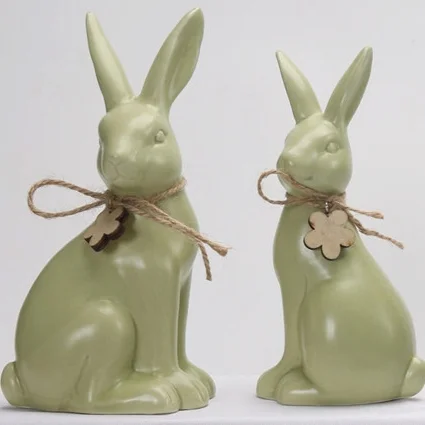
Of course! Vintage Easter decorations have a wonderful, whimsical charm that modern pieces often lack. They evoke a sense of nostalgia and handmade warmth. Here’s a comprehensive guide to the most sought-after types, organized by material and era.
The Golden Eras of Vintage Easter Decor
Vintage Easter decor is generally categorized into two main periods:
-
Die-Cut (c. 1920s – 1950s): Often made of cardboard or paper, these are two-dimensional, flat decorations. They were frequently printed in Germany or the USA (companies like Beistle are famous for this) and are known for their simple, graphic charm.
-
Celluloid & Plastic (c. 1930s – 1960s): These are three-dimensional figures. Celluloid was an early plastic that was flammable and prone to cracking. Later, more durable plastics took over. These figures often have a delightful, slightly kitschy look.
Types of Vintage Easter Decorations
1. German & American Die-Cut Cardboard
These are some of the oldest and most collectible items. They were often hung on walls or used as table decorations.
-
Bunnies and Chicks: Flat, printed cardboard figures in playful poses.
-
Baskets: Intricately die-cut baskets with floral or geometric patterns.
-
Wreaths & Centerpieces: Multi-piece sets that would be assembled into a circular wreath for the door or table.
-
Look for: The country of origin printed on them (e.g., “Germany” or “Made in Occupied Japan” which dates them to 1945-1952). Fading, rust marks from staples, and gentle wear are expected.
2. Celluloid Figures (Use with Caution!)
Celluloid is highly flammable and can be brittle. These are best for display, not handling.
-
Table Figures: Small, hollow celluloid bunnies, chicks, and ducks. They often have a seam running down the side from where they were molded.
-
Nesting Boxes: adorable boxes shaped like eggs or baskets with celluloid figures on the lid.
-
Novelties: Tiny celluloid eggs that open to reveal a scene inside, or finger puppets.
-
Identifying Tip: Gently tap a celluloid item against your tooth. It will have a hard, “clicky” sound unlike modern plastic.
3. Plastic & Composition Figures (1950s-1960s)
This is the era of bright colors and dimensional figures, often with a delightful “atomic” or mid-century modern feel.
-
Blow-Molds: The holy grail for many collectors! These are large, hollow plastic figures (bunnies, chicks, eggs) designed to be lit from within by a light bulb. They have a fantastic retro presence on a porch or mantel.
-
Composition Figures: Made from a sawdust-and-glue mixture, these were painted in bright colors. They are heavier than plastic and can chip or crack.
-
Baskets: Pastel plastic baskets, often with a decorative pattern or faux weaving.
4. Papier-Mâché & Pulp Items
These have an incredible handmade, folk-art quality.
-
Easter Eggs: Decorated with florals, ribbons, or scenic landscapes. Some even have windows revealing a scene inside.
-
Baskets and Boxes: Often shaped like animals or carts, used for holding candy.
-
Nesting Hens & Rabbits: Pulp figures that were mass-produced but have a wonderful texture.
5. Decorated Eggs
-
Ukrainian-Style Pysanky: While not “vintage” in the commercial sense, the tradition is ancient. True vintage hand-painted eggs are exquisite finds.
-
Sparkling German Eggs: Hollow cardboard eggs covered in glitter (flockage) and sequins. These are extremely fragile but stunningly beautiful.
Where to Find Vintage Easter Decor
-
Estate Sales and Garage Sales: Often the best place for hidden treasures at good prices.
-
Antique Malls and Flea Markets: Look for booths specializing in “holiday,” “paper,” or “kitchenalia.”
-
Online Marketplaces: Etsy is a fantastic resource for vintage holiday decor. eBay is also great, but be sure to scrutinize listings for terms like “vintage style” (which means new) vs. “vintage.”
-
Facebook Marketplace & Local Buy/Sell Groups: You can often find lots of items from people clearing out attics.
Tips for Collecting
-
Condition is Key: Expect some wear. Rust stains, color fading, and minor cracks are part of their history. Avoid items with major damage, mold, or heavy pestilence.
-
Beware of Reproductions: Many classic die-cut designs have been reproduced. Compare the paper stock—new paper is whiter and stiffer, while vintage paper is often softer and has a tan or gray tone. New glitter is shinier and more uniform.
-
Display, Don’t Store: These items are meant to be enjoyed! Keep them out of direct sunlight to prevent fading and away from extreme heat or moisture.
Vintage Easter decorations are a joyful collectible that brings a unique, heartwarming character to your spring celebrations. Happy hunting
Leave a Reply