

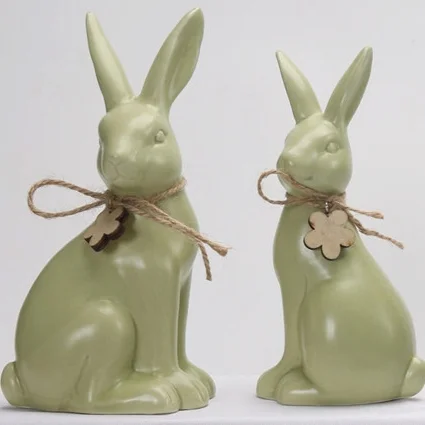
Of course! Decorating for Easter with a “Do-It-Yourself” (DIY) touch is a wonderful way to get creative and add personal charm to your home. Here is a comprehensive guide to DIY Easter decor, broken down by theme, technique, and skill level.
Quick & Easy Projects (Great for Kids!)
These projects use common household items and are perfect for a fun afternoon.
1. Paper Plate Bunnies & Chicks
-
Materials: Paper plates, construction paper (pink, white, orange, yellow), googly eyes, glue, markers, scissors.
-
How-To:
-
For a bunny: Cut out long pink ears and inner ear details from construction paper. Glue them to the top of the plate. Add googly eyes, a pink pom-pom or paper circle for a nose, and draw whiskers and a mouth.
-
For a chick: Cut a diamond shape from orange paper, fold it in half for the beak. Glue it to the center of the plate with googly eyes above it. Cut wing shapes from yellow paper and glue them to the sides.
-
2. Toilet Paper Roll Characters
-
Materials: Empty toilet paper or paper towel rolls, paint, markers, felt, googly eyes.
-
How-To: Paint the roll the base color (white for bunny, yellow for chick). Once dry, add details: glued-on felt ears, drawn faces, pipe cleaner whiskers, or little feet. You can even make a whole family!
3. Washi Tape Eggs
-
Materials: Plastic, wooden, or blown-out real eggs, various patterns of washi tape.
-
How-To: Simply cut small pieces of washi tape and apply them to the egg’s surface, smoothing out any bubbles. You can create geometric patterns, stripes, or cover the entire egg. It’s mess-free!
4. Bunny Garland
-
Materials: White and pink felt, string or twine, scissors, hot glue gun.
-
How-To: Cut out simple bunny head silhouettes from white felt and smaller inner ear shapes from pink felt. Glue the pink pieces to the white ears. Use the hot glue to attach the bunny heads to a long piece of twine, spacing them evenly.
Natural & Rustic Decor
Bring the freshness of spring indoors with these nature-inspired ideas.
1. Moss & Egg Centerpiece
-
Materials: A shallow bowl or tray, preserved sheet moss (from craft stores), decorative eggs (plastic, ceramic, or blown-out), a few small twigs or faux spring blossoms.
-
How-To: Line the bowl with the sheet moss. Artfully arrange the eggs nestled into the moss. Add a few twigs or blossoms for height and interest.
2. Nesting Material Eggs
-
Materials: Blown-out real eggs or papier-mâché eggs, craft glue (Mod Podge), small natural materials (dried moss, birdseed, tiny feathers, tea leaves), tweezers.
-
How-To: Paint a section of the egg with glue. Using tweezers, carefully press your chosen material onto the glue. Continue until the egg is covered in a beautiful, textured pattern. Let dry completely.
3. Spring Branch Centerpiece
-
Materials: A few bare branches from your yard, a vase, paint (pastel colors or metallic), string, lightweight decorative eggs.
-
How-To: Place the branches in a vase. Paint some of the branches if desired. Hang lightweight eggs from the branches using thin string or ribbon for a “spring is blooming” effect.
For the Crafty & Ambitious
If you have more time and enjoy a challenge, these projects make a big impact.
1. Macramé Egg Hangers
-
Materials: Cotton cord or thin jute twine, small plastic eggs, scissors.
-
How-To: Search for “macramé egg net” tutorials online. It involves creating a small net around the egg using basic knots. They look beautiful hanging in a window or from a spring branch centerpiece.
2. Embroidery Hoop Wreath
-
Materials: An embroidery hoop (any size), faux greenery garland, ribbon, decorative eggs, hot glue gun.
-
How-To: Separate the hoop. Wrap the smaller ring tightly with the faux greenery, securing the ends with hot glue. Re-attach the outer hoop to tighten everything. Create a bow from ribbon and glue it to the bottom. Glue a few eggs onto the greenery.
3. “Hatched” Egg Planter
-
Materials: A large plastic Easter egg (the kind that comes in two halves), a small succulent or air plant, moss, hot glue.
-
How-To: Glue the bottom half of the egg to a stable surface (a bottle cap or small dish works well). Fill it with a bit of moss. Place your small plant inside. You can place the top half of the egg next to it, as if it just hatched.
4. Dyed Eggs with Natural Dyes
-
Materials: White eggs, various fruits/vegetables (red cabbage for blue, turmeric for yellow, beets for pink, onion skins for orange), vinegar, pots for boiling.
-
How-To: This is a more advanced and rewarding process. You boil the eggs in water with your chosen dye material and a splash of vinegar. The results are soft, beautiful, and completely natural hues. You can then add patterns by wrapping them in rubber bands or using leaves as stencils before dyeing.
Tablescape Ideas
-
Place Cards: Write guests’ names on small terra cotta pots or beautifully decorated eggs.
-
Napkin Rings: Use pastel-colored ribbon or a pipe cleaner twisted into a bunny ear shape to hold napkins.
-
Centerpiece: Combine several ideas! Use a moss-filled tray as a base, add a spring branch with hanging macramé eggs, and surround it with your nested material eggs and tea light candles.
Pro Tips:
-
Thrift Store Finds: Look for baskets, small wooden bowls, and pastel-colored vases for cheap.
-
Repurpose: Mason jars make great vases for small spring flowers like tulips or daffodils.
-
Involve the Family: DIY is all about the fun of making. Put on some music and make a day of it!
No matter your skill level, adding a personal, handmade touch will make your Easter celebration extra special. Happy crafting
Leave a Reply