

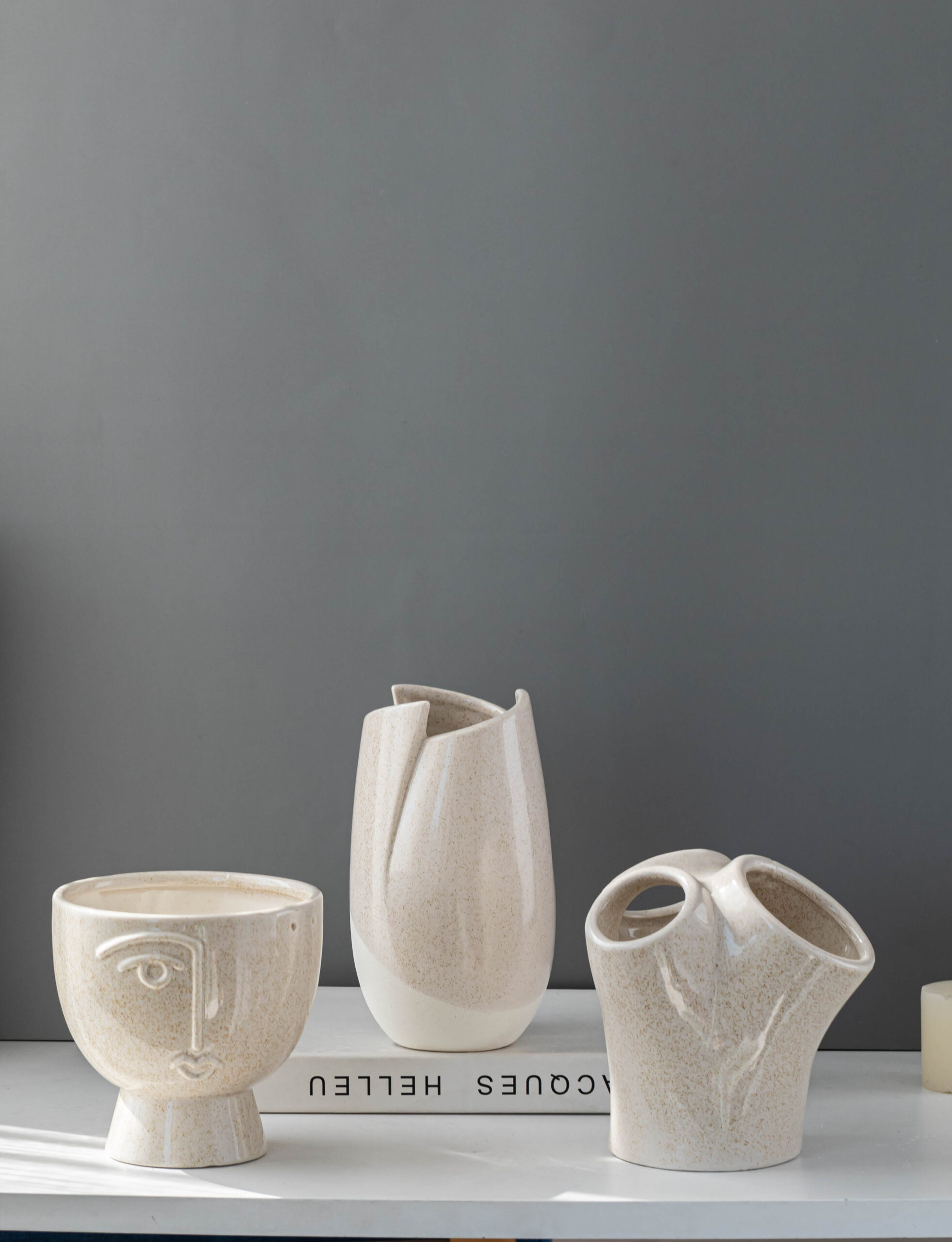
Sample Development Is Not Just Making One Nice Piece
A home décor sample can look beautiful and still not be ready for wholesale production.
That is why sample development should never be treated as a simple “make this design” step.
For buyers, a sample has to answer practical questions:
Can the shape be produced again?
Can the finish stay consistent?
Can the material support the target price?
Can the product be packed safely?
Can the MOQ and lead time work?
Can this item become part of a retail-ready assortment?
Can it survive the second order?
At Teruierdecor, sample development is not only about creating a good-looking first piece. It is about checking whether a product idea can become a stable, shippable, reorder-friendly home décor SKU.
What Is Home Décor Sample Development?
Home décor sample development is the process of turning a product idea, catalog item, buyer sketch, market reference, or trend direction into a physical sample for review.
This may involve:
- product size confirmation
- material selection
- shape adjustment
- finish development
- color matching
- surface texture review
- structure testing
- packaging discussion
- cost estimation
- MOQ review
- lead time planning
- QC checkpoint setting
For Teruierdecor, sample development may apply to categories such as:
- ceramic décor
- decorative vases
- tabletop décor
- wall décor
- mixed-material home décor
- ottomans and benches
- small decorative furniture
- seasonal home décor accents
A sample is not the final goal.
The real goal is to help buyers decide whether the product is worth moving into production.
Step 1: Clarify the Buyer’s Product Direction
The first step is not making the sample.
The first step is understanding what the buyer wants the product to do.
A buyer may send:
- a catalog item reference
- a market trend image
- a retail shelf photo
- a material direction
- a target price point
- a product sketch
- a competitor product
- a mood board
- a request for custom finish or size
But Teruierdecor still needs to clarify the product direction before sampling.
Important questions include:
- What category is this product for?
- Is it for retail, import, hospitality, online sales, or interior design use?
- Is it a core item, seasonal item, or test item?
- What price level should it support?
- What material or finish is preferred?
- Does the buyer need a catalog-based sample or custom development?
- Is the product expected to be reorder-friendly?
- Are there special packaging or shipping requirements?
A clear product direction helps reduce wasted samples.
A vague direction usually creates more revisions.
Step 2: Define the Product Role
Every sample should have a role.
It should not be developed only because it looks interesting.
A home décor product may be:
| Product Role | What It Means | Example |
|---|---|---|
| Entry item | Easy add-on purchase | Small ceramic object or candle holder |
| Main seller | Core product for the assortment | Medium vase or tabletop décor |
| Visual anchor | Strong display piece | Large wall décor or sculptural vase |
| Seasonal refresh | Trend or color update | Spring tabletop accent |
| Collection builder | Connects multiple products | Coordinated vase, tray, and bowl group |
| Reorder core | Stable repeat item | Simple shape with controlled finish |
| Test SKU | New direction to validate | Mixed-material or special finish item |
This role affects the sample decision.
A visual anchor can carry more shape and finish detail.
A reorder core should be easier to repeat.
A seasonal test can use more trend color.
An entry item needs tighter cost control.
A sample without a clear role becomes harder to judge.
Step 3: Confirm Size, Shape, and Proportion
Size and proportion decide whether the sample can work in real retail conditions.
A vase that looks good in a photo may be too small on shelf.
A wall décor piece may be visually strong but too large for shipping.
A bench may look attractive but feel too low or too narrow for real use.
A tabletop object may feel cute but not important enough for its price.
Before sampling, buyers and suppliers should confirm:
- product height
- width and depth
- weight
- wall coverage if it is wall décor
- seat height if it is a bench or ottoman
- tabletop footprint
- carton impact
- display use
- room placement
Good sample development is not just about copying a shape.
It is about making the shape commercially workable.
Step 4: Select the Right Material
Material affects appearance, cost, weight, durability, packaging, and reorder stability.
Common Teruierdecor home décor materials may include:
- ceramic
- porcelain
- stoneware
- metal
- wood
- resin
- glass
- woven material
- upholstery fabric
- mixed-material combinations
The material should match the product role.
For example:
A ceramic vase may be suitable for a stable shelf story.
A mixed-material tray may create stronger perceived value.
A fabric bench may work well for room styling, but fabric supply must be checked.
A metal wall accent may look strong, but coating and scratch resistance matter.
A woven detail can add warmth, but shape control and packing need review.
The buyer should ask:
Does this material help the product sell, or does it only make production harder?
That question can save a lot of sample revisions.
Step 5: Develop the Finish
Finish is often where home décor samples win or fail.
For ceramic décor, finish may involve:
- matte glaze
- glossy glaze
- reactive glaze
- crackle glaze
- ribbed texture
- carved texture
- hand-painted detail
- warm neutral glaze
- stone-look surface
For mixed-material products, finish may involve:
- metal tone
- wood stain
- fabric color
- woven texture
- ceramic glaze
- painted surface
- coating durability
The finish should be reviewed under real conditions:
- natural light
- indoor lighting
- retail-style lighting
- side view
- close-up touch
- comparison with approved references
- comparison with other products in the assortment
A finish should not only look good once.
It should be repeatable.
For buyers, this is one of the most important sample development questions:
Can this finish be produced again in bulk and in the second order?
Step 6: Review Cost and Price Position Early
A sample can become a problem if cost is reviewed too late.
A product may look good, but if the final cost does not support the buyer’s price ladder, it may not move forward.
Cost can be affected by:
- product size
- material choice
- finish complexity
- handwork level
- production process
- mold or tooling needs
- packaging method
- order quantity
- mixed-material assembly
- custom color or custom finish
- testing or inspection requirements
Buyers should share the target price level early when possible.
That does not mean the supplier can always hit the price immediately, but it helps the development team make better decisions.
A product designed without cost logic may become beautiful but unsellable.
Step 7: Check Packaging Before Final Approval
Packaging should not wait until the sample is approved.
For home décor, packaging is part of the product.
A fragile ceramic vase, a scratched metal frame, a dirty fabric bench, or a damaged wall décor corner can destroy the buyer’s margin after shipping.
During sample development, Teruierdecor may review:
- fragile points
- rim protection
- corner protection
- surface wrapping
- inner box structure
- master carton layout
- hardware protection
- dust protection for fabric
- abrasion prevention for mixed materials
- carton strength
- drop test expectations
- shipping mark and barcode needs
The buyer should ask:
Can this product survive the journey?
If the answer is not clear, the sample is not ready for wholesale production.
Step 8: Review MOQ and Lead Time
MOQ and lead time are not just purchasing details.
They affect whether the sample direction makes sense.
A simple catalog-based product may be easier to sample and order.
A custom finish may require more development time.
A new mold may require higher MOQ.
A special material may require supplier sourcing.
A mixed-material product may need more coordination across production steps.
Buyers should clarify:
- sample lead time
- sample cost
- MOQ
- bulk production lead time
- material availability
- custom development requirements
- packaging development time
- inspection needs
- delivery timeline
A product may be attractive, but if the MOQ or timeline does not match the buyer’s plan, it may need adjustment.
Step 9: Review the Sample as a Real Buyer, Not as a Consumer
When the sample is ready, the buyer should not only ask:
“Do I like it?”
A better sample review should ask:
- Does it fit the intended product role?
- Does the size feel right?
- Does the finish match the approved direction?
- Does the material support the price?
- Does it work with the wider assortment?
- Does it need product notes?
- Can it be packed safely?
- Can it be repeated in production?
- Can it become a reorder item?
- What should be revised before approval?
A buyer is not reviewing a decoration.
A buyer is reviewing a future SKU.
That is a much stricter standard.
Step 10: Revise Before Production
Most good samples need revision.
That is normal.
Common sample revisions may include:
- adjusting size
- changing finish tone
- simplifying shape
- improving base stability
- strengthening hanging hardware
- improving fabric or upholstery detail
- changing metal color
- reducing fragile points
- improving packaging
- adjusting cost through material or structure
- changing product notes
- improving carton layout
A revision is not a failure.
A good revision makes the product more suitable for real buying conditions.
The best sample development process does not chase the most impressive first sample. It moves the product closer to stable production.
Catalog Sample vs Custom Sample
Not every sample needs the same development path.
| Sample Type | Best For | Buyer Notes |
|---|---|---|
| Catalog sample | Faster review of existing product | Good for quick sourcing and assortment planning |
| Modified sample | Adjusting size, color, finish, or material | Good for buyer-specific needs |
| Custom sample | New product direction or unique design | Needs more development time and clearer brief |
| Finish sample | Testing glaze, color, fabric, or coating | Useful before full product sampling |
| Packaging sample | Testing protection and carton logic | Important for fragile or high-risk products |
Buyers should choose the right sample type instead of treating every request as full custom development.
Sometimes a finish sample is enough before a full product sample.
Sometimes a catalog item only needs color adjustment.
Sometimes a custom sample is necessary because the buyer needs a new product direction.
The clearer the path, the faster the sourcing process.
What Buyers Should Prepare Before Requesting a Sample
A sample request works better when the buyer provides useful information.
Before requesting a sample, buyers can prepare:
- product category
- reference image or catalog item
- target market
- target retail channel
- target size
- target material
- preferred finish
- expected quantity
- price level
- packaging needs
- usage notes
- whether customization is required
- desired timeline
A strong request might say:
“We are looking for a matte ceramic vase for a U.S. retail-ready home décor assortment. Target size is medium, warm off-white or taupe finish, reorder-friendly shape, safe packaging for wholesale shipment, and suitable for shelf display with tabletop décor.”
This helps Teruierdecor respond with better sample options.
A vague request creates slower development.
Common Mistakes in Home Décor Sample Development
Mistake 1: Approving only by photo
Photos cannot fully show weight, finish feel, stability, surface marks, or packaging risk.
Mistake 2: Ignoring packaging until the end
Packaging can change cost, carton size, breakage risk, and reorder confidence.
Mistake 3: Choosing a finish that cannot repeat
A finish that looks beautiful once but cannot be reproduced is risky for wholesale orders.
Mistake 4: Not sharing target price
Without price direction, the sample may become too expensive for the buyer’s retail plan.
Mistake 5: Overdesigning the product
Too many details can increase cost, damage risk, and production instability without improving retail value.
Mistake 6: Treating trend items as reorder core items
Some products are good for seasonal tests, not long-term repeat orders.
Mistake 7: Not checking product role
A sample should have a clear role in the assortment before it moves forward.
How Teruierdecor Supports Sample Development
Teruierdecor supports sample development by connecting buyer direction with factory execution.
This includes:
| Buyer Need | Teruierdecor Support |
|---|---|
| Product idea | Review category, role, size, and market fit |
| Material direction | Suggest workable ceramic, metal, wood, fabric, or mixed-material options |
| Finish development | Review glaze, color, texture, coating, and repeatability |
| Cost direction | Help align product design with price level |
| Packaging review | Check fragile points, carton logic, and shipping risk |
| Sample revision | Adjust shape, finish, material, or structure |
| QC preparation | Define inspection points before production |
| Reorder planning | Keep approved standards and production notes |
This is where Teruierdecor’s craft town supply chain matters.
Many sample risks are not visible in a design reference. They appear in material behavior, finishing process, firing result, handwork control, assembly, and packaging.
A supplier with production experience can help buyers see those risks earlier.
Sample Development and RFQ: How They Connect
Sample development and RFQ should work together.
A buyer may start with a sample request, but a formal quotation needs more detail.
Before sending an RFQ, buyers should confirm:
- final product size
- material
- finish
- order quantity
- packaging method
- carton details
- labeling requirements
- sample approval status
- target delivery time
- inspection needs
- shipping terms
A sample without RFQ details may lead to unclear pricing.
An RFQ without sample clarity may lead to wrong assumptions.
The best sourcing process connects both.
Simple Sample Request Template
Subject
Sample Request for Home Décor Product Development
Message
Hello Teruierdecor Team,
We would like to request samples for our upcoming home décor sourcing plan.
Product category:
Reference item or image:
Target market:
Retail channel:
Preferred material:
Preferred finish:
Target size:
Target price level:
Estimated order quantity:
Packaging requirements:
Customization needs:
Timeline:
We are looking for samples that can support retail-ready assortment planning, safe packaging, and reorder stability.
Please let us know sample availability, sample cost, sample lead time, MOQ, and any recommended adjustments.
Thank you.
FAQ: Home Décor Sample Development
What is home décor sample development?
Home décor sample development is the process of turning a product idea, catalog item, buyer reference, or trend direction into a physical sample for review before wholesale production.
How long does sample development take?
Sample development time depends on product category, material, finish, customization level, packaging needs, and whether new molds or special components are required.
What should buyers provide before requesting a sample?
Buyers should provide product category, reference image or catalog item, target market, size, material, finish, price level, estimated order quantity, packaging needs, and timeline.
Can Teruierdecor customize catalog products?
Many catalog products may be adjusted in size, color, finish, material, packaging, or collection direction. Customization depends on MOQ, production feasibility, and development schedule.
Why is packaging reviewed during sample development?
Packaging affects breakage, claims, carton size, freight cost, and reorder confidence. For home décor products, packaging should be reviewed before final sample approval.
What makes a sample production-ready?
A sample is production-ready when the buyer approves its size, material, finish, cost direction, packaging method, QC checkpoints, and reorder feasibility.
Final Buying Judgment
A home décor sample should not only look good.
It should answer the real sourcing questions:
Can this product be made again?
Can the finish repeat?
Can the material support the price?
Can the package protect it?
Can it fit the assortment?
Can it become a stable SKU?
If the answer is unclear, the sample still needs work.
For Teruierdecor, sample development is the bridge between product ideas and retail-ready home décor orders.
A good sample does not just impress the buyer once.
It gives the buyer enough confidence to move toward production, shipment, and future reorder.
Leave a Reply