

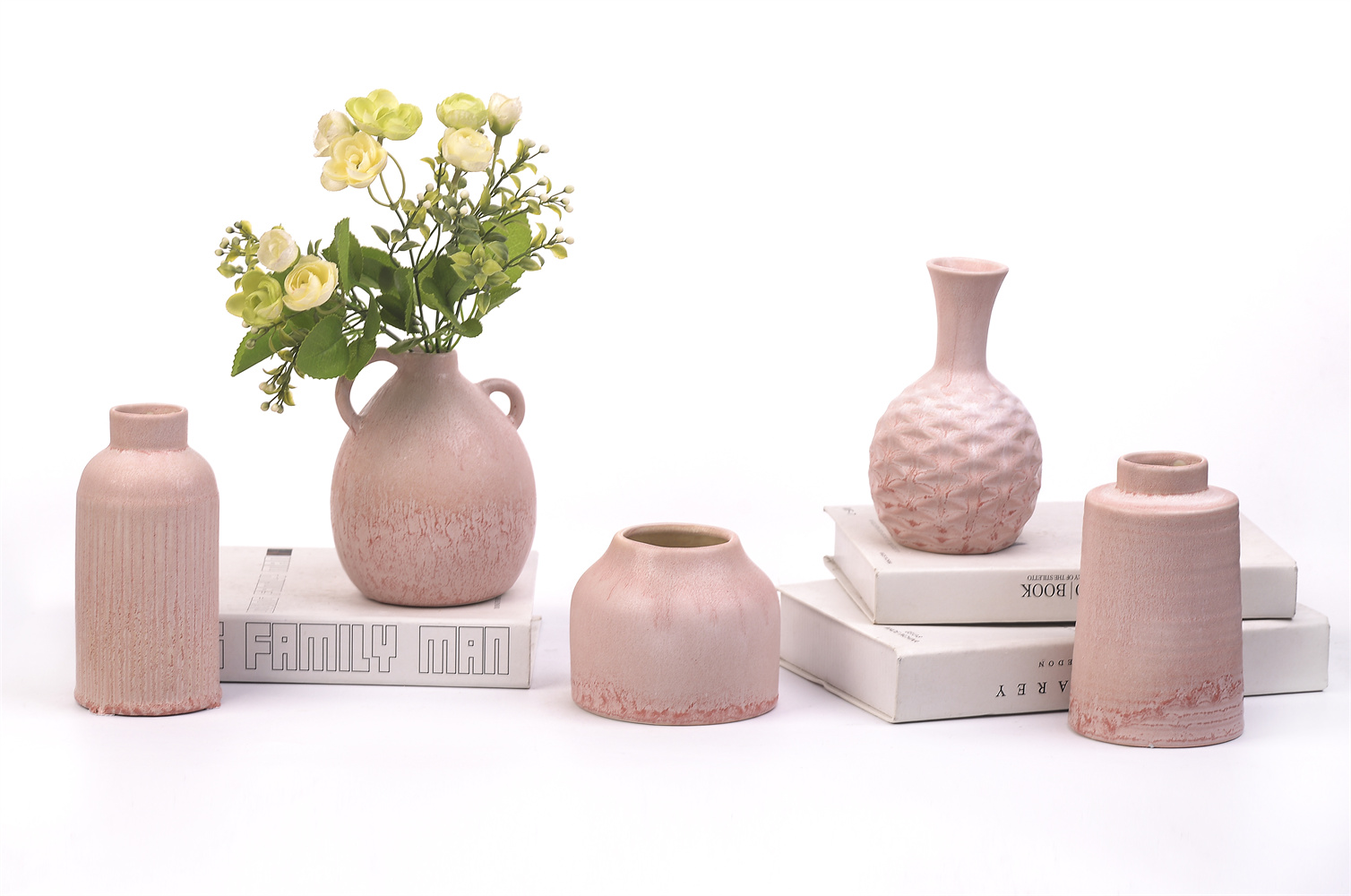
If you ask me what is winning attention in handcrafted ceramic decor wholesale right now, it is not more inventory. It is more character. As a U.S. home designer, I see buyers moving away from flat, forgettable accessories and toward objects that feel crafted, tactile, and emotionally legible the second they hit the shelf. That direction lines up with 2026 market signals from High Point, Atlanta Market, Maison&Objet, and Ambiente, all of which are leaning into expressive interiors, craftsmanship, meaningful objects, and design with stronger point of view.
The new advantage is not “handmade” alone. It is handmade with retail logic.
That is the difference buyers care about. A strong line of ceramic home accessories wholesale should feel edited, not crowded. It should give retailers a product that works in a styled vignette, on a console, or as tabletop décor without needing a long explanation. Recent Atlanta Market reporting says suppliers expect 2026 demand to favor beautiful, well-made goods, artisan appeal, and higher perceived value, while ASID’s Spring 2026 High Point programming centers on expressive interiors and elevated craftsmanship. That is exactly the lane handcrafted ceramics can win in.
Buyers are also responding to objects that feel more collectible
This is why the category keeps getting stronger. At Ambiente 2026, trend coverage highlighted fruit vases and other playful, design-forward objects as standout signals, while TikTok-driven 2026 interiors coverage points to a broader appetite for nostalgic, visually distinct décor with personality. For buyers, that means wholesale ceramic decor can no longer be treated as filler. The right ceramic piece can behave like décor, gifting, and visual content all at once.
Good ceramics sell with shape first, then finish
There is research behind that instinct. Peer-reviewed studies show that stronger design aesthetics increase perceived product value and can positively influence purchase intention. In practical terms, that means silhouette, glaze, texture, and proportion are not decorative extras. They are part of the business case. This is why strong ceramic vase manufacturers China pottery programs do not just offer many shapes. They offer shapes that feel resolved enough to justify placement and reorder.
The smart supplier today looks less like a catalog and more like a filter
For a US furniture buyer supplier, the question is not whether a factory can make ceramics. Plenty can. The real question is whether the supplier can identify which pieces deserve shelf space. That is especially true when the same partner may need to support boutique gifting, hospitality styling, seasonal programs, or even bulk garden-adjacent décor extensions. The strongest sourcing partners understand how one ceramic language can scale across different channels without losing identity.
Even gift-led channels are changing
That is why I think the old gap between décor and gifting is shrinking. A line that once would have been pitched only to a Souvenir Wholesale Supplier can now cross into lifestyle retail if the object has enough visual intelligence. Maison&Objet’s January 2026 theme, “Past Reveals Future,” explicitly frames the fair around craftsmanship, excellence, meaningful design, and objects with soul rather than homogenized product. That is a useful lesson for ceramic buyers: the market is rewarding pieces that feel memorable, not just functional.
What I actually want from handcrafted ceramic decor wholesale now
I want fewer pieces that say more. I want ceramics that feel tactile, shelf-ready, and easy for a retailer to defend. I want product that can live inside handcrafted ceramic decor wholesale without looking generic, and I want the assortment to feel curated enough that a buyer immediately understands why it belongs. Because in 2026, the winning ceramic line is not the one with the most SKUs. It is the one with enough craft, clarity, and commercial discipline to feel worth caring about.
Leave a Reply