

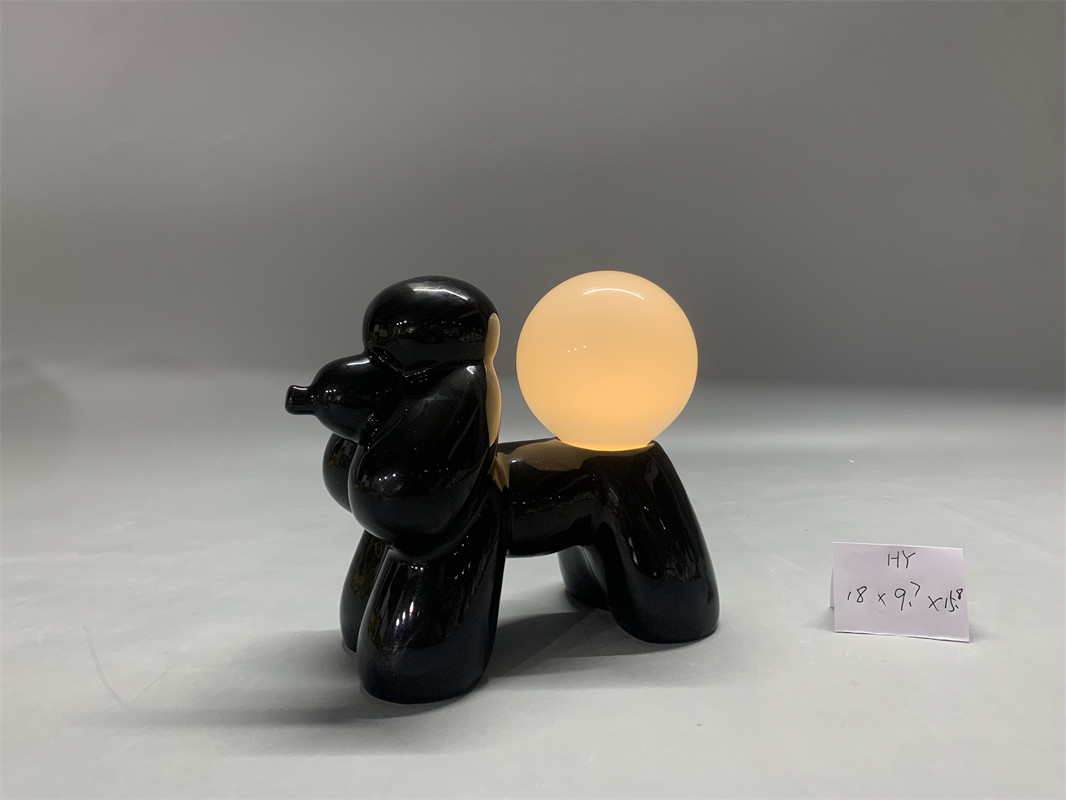
Not “Made in China”—Made with Savoir-Faire: A French Designer’s Guide to Chinese Ceramic Home Decor Wholesale
If you’re a retailer buyer, you’ve heard it a hundred times: “We need ceramics.”
But what you actually need is an edit—pieces that look collected, photograph beautifully, and reorder without drama.
That’s why I’m always amused when people treat Chinese ceramic home decor wholesale like a single category. China is not one look. It’s an entire vocabulary—heritage techniques, modern kiln discipline, and the ability to scale a story from boutique to big-box when the program is designed correctly.
And in 2026, the market is leaning back into that kind of story-led sourcing.
2026’s big signal: craft isn’t “niche” anymore—it’s the new baseline
Maison&Objet’s January 2026 theme, “PAST REVEALS FUTURE,” frames the moment very clearly: in a world of ecological anxiety, overconsumption, and homogenization, design is returning to craftsmanship, excellence, and “soul.”
In practical retail terms, this means:
-
customers are choosing fewer objects, but more meaningful ones
-
silhouettes and surface texture matter more than endless SKU variety
-
“collected” styling is replacing “perfectly matched sets”
This aligns beautifully with what designers are calling refined layering—heritage craft meeting modern simplicity, creating a space that feels curated over time (not staged in an afternoon).
TikTok isn’t replacing design—but it is exposing what people actually buy
Here’s the inconvenient truth: the shelf has to “read” in one second.
TikTok’s 2026 interior waves aren’t just about furniture. They’re pushing table moments and ceramic motifs back into the spotlight—especially the whimsical, nostalgic side. Elle Decor’s roundup calls out “cabbagecore,” which is directly tied to ceramics/tableware aesthetics with historical roots.
For B2B buyers, that’s gold. Because it tells you what wins right now:
-
sculptural forms that look like small art
-
playful motifs used once as a statement (not everywhere)
-
tabletop pieces that translate into OEM table centerpieces and giftable moments
This is exactly where an OEM pottery manufacturer can outperform a “small batch only” studio: you can capture the look and keep the supply chain steady—if you build the program with discipline.
The “French edit” for wholesale: stop buying single SKUs—buy a mini-collection
When I help retailers, I don’t spec “a vase.” I spec a collection logic that your team can merchandise and replenish without confusion.
If you’re doing decorative pottery wholesale, I recommend this structure:
-
3 silhouettes (statement tall / everyday medium / bud)
-
2 finish lanes (one quiet neutral + one signature glaze)
-
1 hero SKU (the piece that anchors photos, endcaps, and social)
That’s how custom home decor vases become “collectible” in a customer’s mind—people come back for the next shape, the next glaze, the next drop.
And it’s how you avoid the classic bulk mistake: a warehouse full of “fine” product nobody feels urgent about.
Why Chinese ceramic matters: heritage is a selling asset, not a museum detail
If you want a premium story that doesn’t sound invented, ceramics gives you real history to stand on.
Britannica notes China’s blue-and-white tradition (notably Ming and Qing) and its influence beyond China—underglaze blue moved across regions and was introduced to Europe, shaping taste and trade.
Even the export history has product language baked in—Britannica’s “Nanking porcelain” entry describes Qing-era export blue-and-white from Jingdezhen shipped to Europe in large quantities.
You don’t need to sell a lecture. You sell an aura: “heritage-inspired,” “atelier finish,” “collector feel,” “art-of-living.” Voilà.
What I ask Ceramic Vase Manufacturers before I approve a wholesale program
Whether you’re a small boutique buyer (yes, even Seattle handmade pottery wholesale shops) or a multi-store retailer, the questions are the same:
-
Can you keep the silhouette consistent at scale? (rim symmetry, base flatness, wobble control)
-
Can you keep the finish consistent? (glaze tone, speckle density, run control)
-
Can you pack like you respect margin? (rims protected, inner fit tight, drop-resistant corners)
-
Can you support the retail workflow? (case-pack logic, carton labeling, reorder continuity)
A great ceramic accent pieces supplier doesn’t just ship product—they ship a repeatable retail experience.
The one-line takeaway (designer → buyer)
If you want Chinese ceramic home decor wholesale that sells in 2026, don’t chase “more designs.” Build mini-collections: heritage-inspired story + TikTok-visible silhouettes + retail-ready discipline from your OEM partner.
That’s how bulk still feels chic—and why the right ceramic program becomes a reorder program.
Leave a Reply