

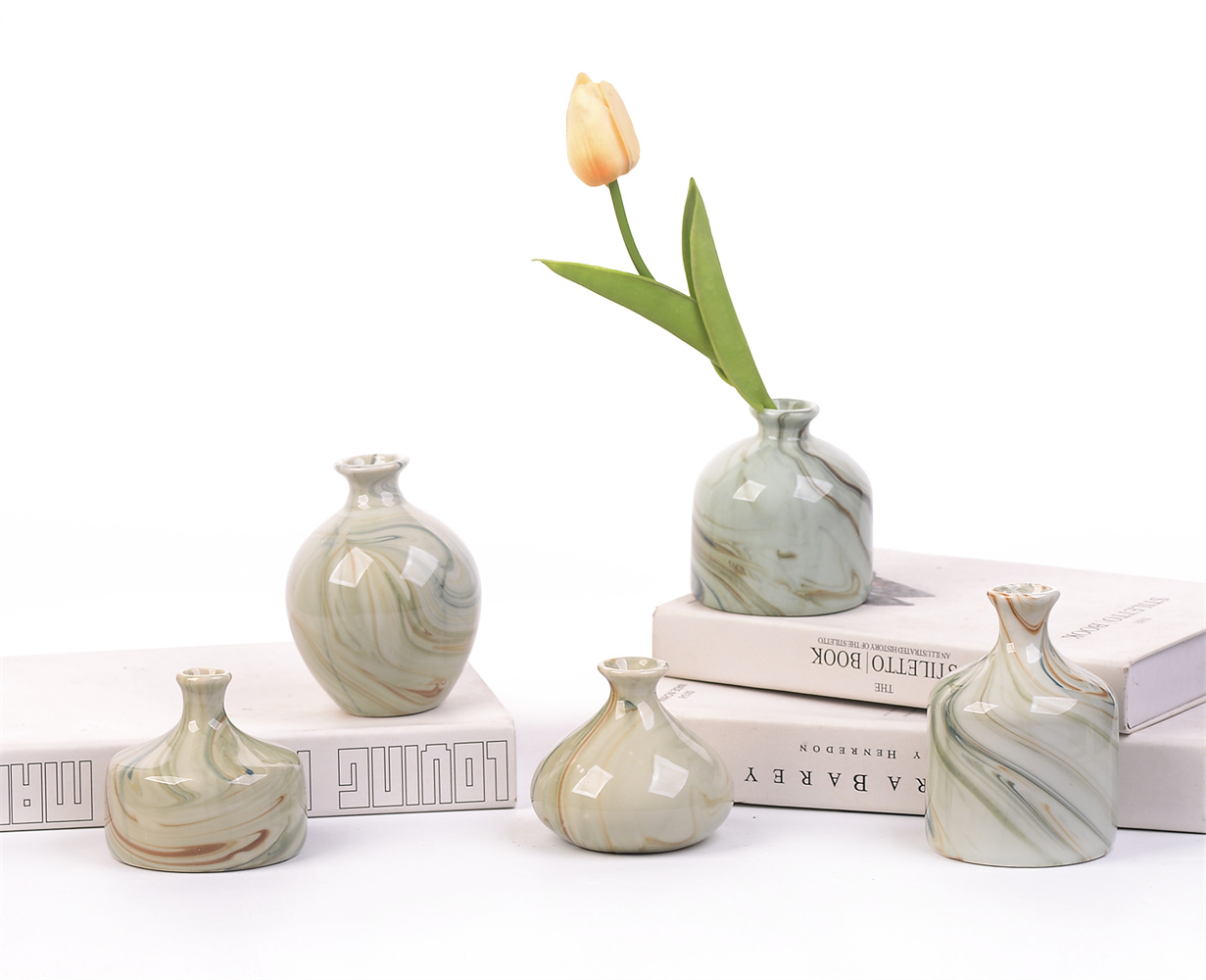
If you ask me what makes a ceramic piece worth buying in 2026, I would not start with price.
I would start with proof.
As a U.S. home designer, I have learned that handcrafted ceramic decor wholesale is no longer about filling a catalog with “nice-looking pieces.” Buyers want something harder now: objects that feel edited, tactile, and commercially defensible. A ceramic accent has to style well, photograph well, and still make sense when the reorder discussion starts. That is why the smartest buyers are no longer buying by instinct alone. They are buying through what I call evidence-chain recognition.
The market is clearly moving toward craftsmanship, character, and higher perceived value
The 2026 signal coming out of the U.S. market is unusually consistent. ASID’s Spring 2026 High Point session is centered on expressive, personality-driven interiors, elevated craftsmanship, and design rooted in purpose and performance. At the same time, Atlanta Market reporting shows manufacturers leaning into beautiful, well-made products, quick shipping, and a resurgence of high-end, original, handmade, artisan-crafted goods. Home Accents Today also noted that suppliers see product design continuing to evolve toward higher perceived value. That matters because it tells buyers that handcrafted surface, strong form, and material honesty are not side notes anymore. They are part of what the market now expects.
That is exactly why contemporary ceramic decor wholesale is getting more interesting. Buyers are not just looking for neutral filler. They want pieces with enough presence to anchor a shelf, a tabletop, or a styled vignette without tipping into visual chaos.
Handcrafted ceramics work when form and material tell the same story
This is where many average suppliers lose the plot. They focus on color or novelty, but the real selling power often sits in structure.
When I review a ceramic line, I look for three things first: bold proportions, visual balance, and a believable Clay Body. If the silhouette is strong but the material feels thin or over-finished, the object loses trust. If the clay body feels honest but the proportions are weak, the vase disappears. The best handcrafted ceramics hold both at once. They feel sculptural, but also usable. Decorative, but not fragile in attitude.
That is what separates a commodity vase from a piece that can actually support interior design procurement.
Research supports what buyers already feel instinctively
This is not just designer preference. Peer-reviewed research shows that higher design aesthetics increase perceived product value and can significantly improve purchase intention. In one study, high-aesthetic products generated more positive emotional responses and higher buying intent than low-aesthetic products. For home décor buyers, that means shape, proportion, and finish are not “soft” details. They directly affect how valuable the product feels before anyone even touches it.
That is why handcrafted ceramics keep outperforming generic decorative accessories in well-edited assortments. A good ceramic piece does not just occupy space. It creates perceived value.
TikTok is not the strategy, but it is part of the signal
I would never build a sourcing strategy from TikTok alone. But I would absolutely watch what it is accelerating.
ELLE Decor reported on March 4, 2026 that TikTok continues to have outsized influence on home design and that some of the year’s biggest trends have real staying power, not just flash attention. House Beautiful’s February 2026 trend coverage from Ambiente went even further by calling out fruit vases as a strong 2026 design signal. That matters because it shows how fast expressive ceramics can move from visual culture into commercial demand. A witty lemon vase, for example, no longer reads like a throwaway novelty when it is executed with the right form, finish, and scale. It can become a giftable accent, a boutique traffic piece, or a memorable seasonal SKU.
In other words, playful ceramic forms are not automatically unserious anymore. They simply need better discipline.
The strongest wholesale ceramics feel collected, not crowded
This is where buyers should get more selective.
A good farmhouse chic vase supplier does not have to sell only rustic forms. A good supplier understands how to translate warmth, tactility, and familiarity into something current. The same goes for any handcrafted line aimed at U.S. buyers: the winning assortment usually mixes one or two expressive hero pieces with quieter shapes that stabilize the collection.
That is the commercial role of balance. Not every object should shout. But every object should contribute.
A strong handcrafted line may include a softer neutral vase, a sculptural centerpiece with bold proportions, and one playful accent like a lemon vase that helps the assortment feel alive. The point is not to chase every trend. The point is to build a collection where each piece earns its place.
What smart buyers should want from handcrafted ceramic decor wholesale now
For me, a ceramic collection is ready only when it can answer five questions clearly:
Why this silhouette?
Why this clay body?
Why this finish?
Why this market now?
Why will this reorder?
If those answers are clear, I am probably looking at a real wholesale program.
If they are vague, I am probably just looking at samples.
That is the real lesson of handcrafted ceramic decor wholesale in 2026. The winning buyer is not the one who finds the most pottery. It is the one who finds the few ceramic pieces with enough evidence behind them to deserve budget, shelf space, and repeat business.
And that is why handcrafted ceramics are winning right now.
Not because they are handmade.
Because they feel believable.
Leave a Reply