

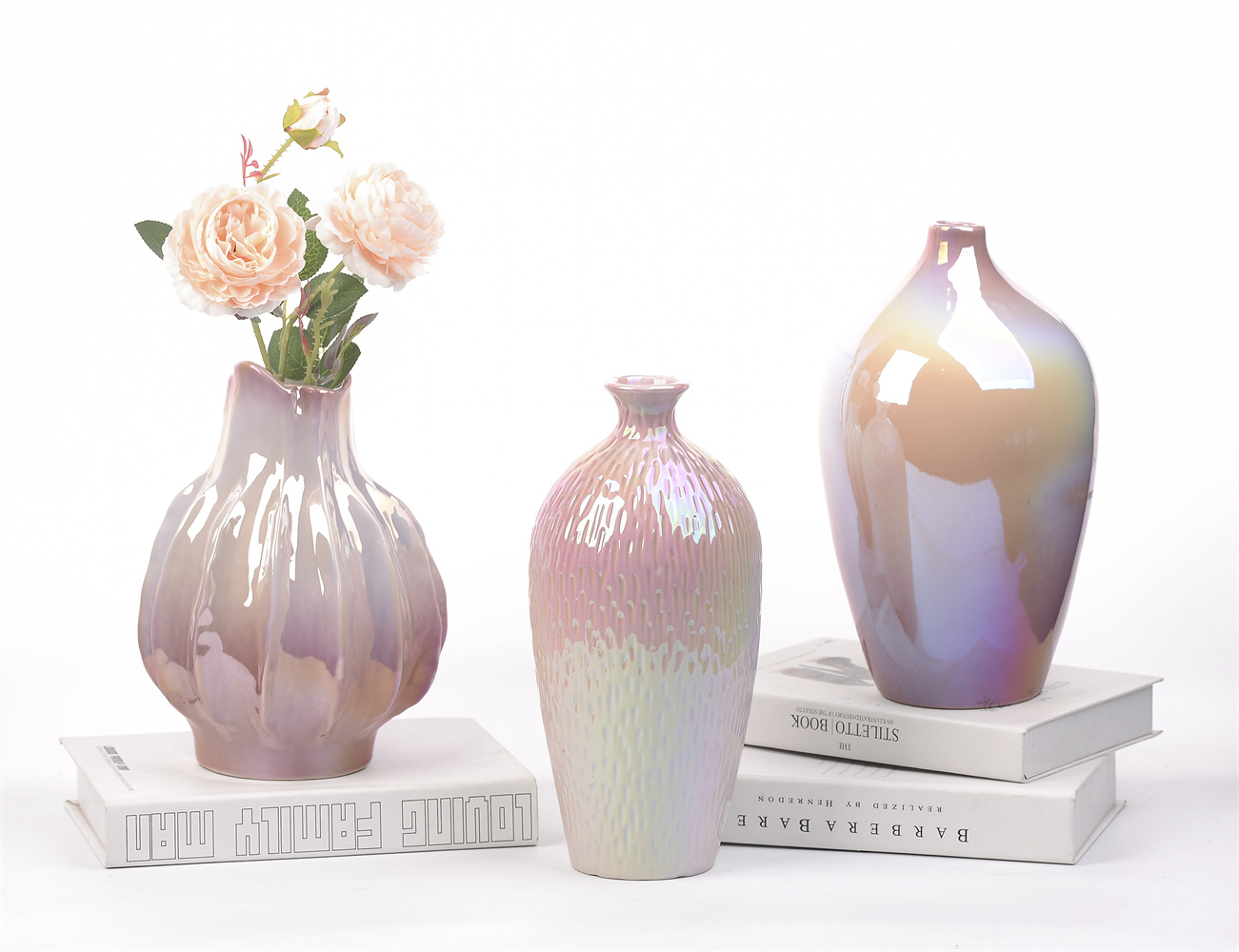
If you ask me what makes ceramic decorative wholesale worth buying in 2026, I would not start with price, color, or even trend. I would start with proof.
As a U.S. home designer, I see the same mistake over and over: buyers confuse “good-looking ceramics” with commercially strong ceramics. They are not the same thing. A piece can look attractive in a showroom and still fail in retail, fail in content, or fail at reorder. That is why I now buy through what I call evidence-chain recognition. Before a ceramic SKU earns shelf space, it has to prove its place through market timing, aesthetic value, sourcing consistency, and merchandising logic.
The market is telling us that expressive, crafted ceramics are still rising
The 2026 U.S. trade-show signal is unusually consistent. Atlanta Market remains a major trade-only hub with more than 6,000 brands across home, gift, and lifestyle, while NY NOW continues to position itself around “timeless bestsellers and the next big thing.” At the same time, ASID’s Spring 2026 High Point session is explicitly focused on expressive, personality-driven interiors, elevated craftsmanship, and design rooted in purpose and performance. For buyers, that is the first proof point: the market is still rewarding home objects that feel crafted, edited, and emotionally legible.
That is exactly why contemporary ceramic vase manufacturers are becoming more strategically important. The strongest ceramics today are not random accent pieces. They sit in the sweet spot between art object and usable décor. They help a room feel more curated, but they also still need to behave like retail product.
Decorative ceramics are moving closer to collectible design
One of the clearest signals from the January 2026 market cycle came from Atlanta Market coverage. Home Accents Today highlighted Currey & Company’s Fauvist vases as standout decorative accents, describing them as inspired by surrealism and by American designer Hilton McConnico’s bold, whimsical approach to form and color. That matters because it shows where the category is heading: more buyers are responding to ceramics that feel like Collectible Design, not just filler. They want pieces with shape language, personality, and display authority.
In practical terms, that changes how I evaluate a supplier. I do not just ask whether a piece is pretty. I ask whether it can anchor a vignette, carry a shelf, and still make sense six months later. That is where ceramic art wholesale gets interesting. The right piece does not merely decorate a surface. It gives the assortment a point of view.
Technology is changing the category without killing the craft story
Another 2026 signal buyers should pay attention to is how technology is entering ceramics. Home Accents Today’s Las Vegas Market coverage highlighted Global Views’ Coral Vase, a fine-ceramic piece created using a 3D-printing machine, with texture produced by extruded clay and offered in three sizes. That is not a small detail. It suggests that the next generation of a contemporary vase factory may win not by choosing craft over technology, but by using technology to create richer texture, sharper form language, and more scalable collections.
For sourcing, that matters. Buyers increasingly want ceramics that feel tactile and human, but also consistent enough to support repeat orders. A good factory should be able to translate one design idea across multiple sizes, finishes, and retail tiers without losing visual discipline.
The research backs up what buyers already feel
This is not just trend chatter. Peer-reviewed research shows that design aesthetics positively influence perceived product value, and another peer-reviewed study found that design aesthetics can also increase purchase intention through perceived value. In plain English, the better-resolved the object looks, the more valuable people believe it is. That is why silhouette, proportion, glaze, and surface detail are not “soft” design extras in ceramics. They are part of the commercial logic.
This is also why I look closely at texture and line work. A ceramic object with disciplined contours, layered glaze, or subtle relief has a better chance of feeling premium than one that relies only on color. Buyers do not always say it this way, but they are often paying for perceived confidence in the object.
TikTok is not the strategy, but it is part of the signal system
I would never build a buying plan from TikTok alone. But I would absolutely use it as an early-warning system for visual momentum.
ELLE Decor reported last week that TikTok continues to shape interior design in 2026, and specifically noted rising interest in cabbageware and ceramics-related motifs; Pinterest searches for “cabbageware” were up 250% last year, while TikTok’s #CabbageCore climbed 115% in three months. House Beautiful’s February 2026 trend report also called out fruit vases as a major 2026 signal. That matters because it shows how quickly playful ceramics can move from content into commercial demand. The right ceramic form can now function as décor, giftable object, and shareable visual moment at the same time.
That has obvious implications for OEM holiday decor as well. Seasonal ceramics no longer need to be loud or disposable to sell. A better strategy is to create pieces that feel timely but still collectible—objects that can move through gifting, tabletop styling, and seasonal merchandising without looking cheap after the moment passes.
Good ceramic decorative wholesale also needs boring discipline
This is the part suppliers like to skip, but buyers cannot. Strong ceramic decorative wholesale is not just about trend-readiness. It is also about execution. I want packaging that protects the finish, sampling that reflects real production quality, and clear care tips that help retailers and end customers preserve the piece. When a supplier includes care guidance, it signals something important: they are thinking beyond shipment and into product life.
That is why I care less about how many SKUs a supplier shows me and more about whether they can answer five questions clearly:
Why this silhouette?
Why this finish?
Why this market now?
Why this factory?
Why will this reorder?
If those answers are sharp, I am probably looking at a real collection.
If they are vague, I am probably just looking at samples.
And that is the real lesson of ceramic decorative wholesale in 2026: the winning buyer is not the one who finds the most product. It is the one who can identify the few ceramic pieces with enough proof behind them to deserve capital, attention, and space.
Leave a Reply