

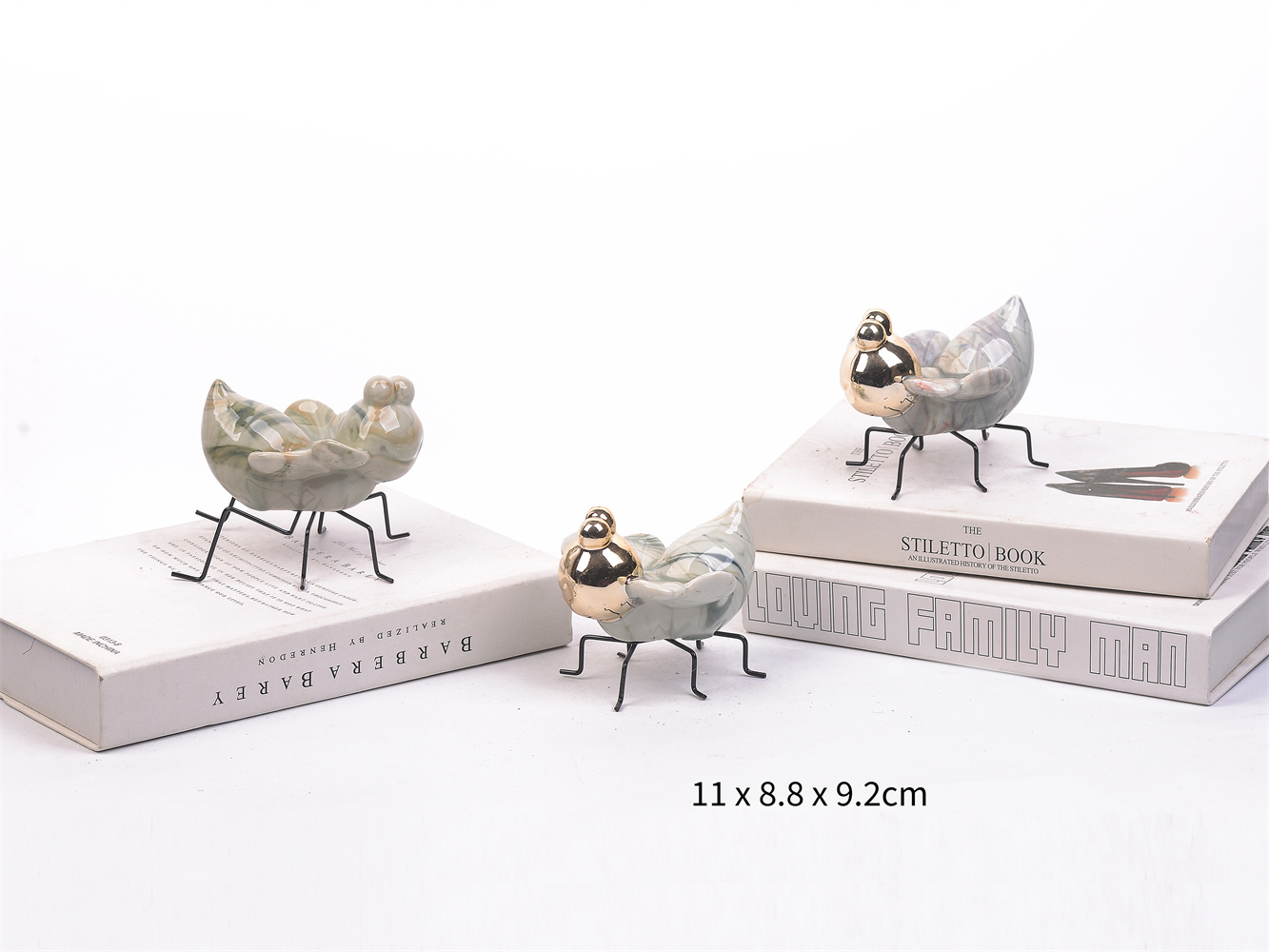
If you ask me what makes a pottery collection worth buying in 2026, I would not start with price. I would start with proof.
As a U.S. home designer, I have learned that decorative pottery wholesale is no longer about filling shelves with more objects. It is about identifying which pieces can carry a room, survive a trend cycle, and still make sense when the reorder conversation begins. In other words, the strongest pottery program is not the one with the most SKUs. It is the one with the clearest evidence chain.
The first signal is still the market itself
Buyers are still using physical trade markets to validate what is real. Atlanta Market remains trade-only and brings together more than 6,000 brands across gift and home, while NY NOW continues to position itself as a place to source both timeless best-sellers and what is next. That matters because it tells us something very practical: serious home buyers are still looking for products that can bridge immediate sell-through and future relevance.
The 2026 direction is favoring craft, personality, and stronger visual identity
The trend language coming out of the U.S. market is unusually consistent. ASID’s Spring 2026 High Point programming points to expressive, personality-driven interiors, elevated craftsmanship, and design rooted in purpose and performance. At the same time, Home Accents Today’s Atlanta Market coverage highlighted decorative accents that made the strongest visual impact, including Fauvist vases with bold, whimsical form and color. For wholesale pottery, that is a clear clue: the market is rewarding pieces that feel artistic, tactile, and memorable—not generic fillers.
Decorative pottery now has to work like art and like product
That is why the line between collectible ceramic art wholesale and traditional décor sourcing is getting thinner. Buyers still want commercial pieces, of course. But they increasingly want pottery that can behave like a focal point. A vase, planter, or sculptural object needs to create atmosphere, photograph well, and help a collection feel curated. The smartest ceramic art wholesale programs now sit in that middle ground: elevated enough to feel collectible, but stable enough to work in real retail, hospitality, and residential projects.
Texture is not a detail anymore—it is part of the sales logic
One of the clearest product signals from 2026 is that texture is becoming more intentional. At Las Vegas Market, Home Accents Today highlighted a ceramic coral vase made with 3D printing, where the extruded clay itself created visible texture, and the piece was offered in three sizes. That matters for buyers because it shows where the category is headed: tactility, dimensionality, and detail are becoming part of the value proposition. Pieces with carved lines, ribbing, or layered surface movement no longer read as decorative extras. They read as evidence that the object deserves attention.
Research backs up what buyers feel instinctively
This is not only a design-world opinion. Peer-reviewed research shows that higher design aesthetics can increase positive emotional response, perceived product value, and purchase intention. In plain English, better-looking objects are not just nicer to look at—they are more likely to be judged as worth buying. That is especially important in pottery, where form, proportion, finish, and texture do much of the selling before a customer ever touches the piece.
TikTok is not the strategy, but it is absolutely part of the signal system
I do not buy from TikTok. But I do pay attention to what it accelerates. ELLE Decor reported this month that TikTok continues to shape home design trends in ways that are lasting, not just fleeting, and specifically noted the rise of cabbageware and ceramic-driven motifs. For pottery buyers, that matters because it shows how quickly playful or highly distinctive ceramic forms can move from visual culture into commercial demand. If a category feels giftable, collectible, and easy to style, it has a faster path to attention than it did a few years ago.
What buyers should really want from decorative pottery wholesale now
For me, the real test is simple. Can this pottery hold up across style, sourcing, and sales?
A good supplier today must do more than make a nice sample. A Chinese factory for US importers has to deliver consistency, packaging discipline, and enough range to support both expressive accent pieces and safer volume sellers. A buyer may want one bold collection that leans toward collectible ceramic art wholesale, and another that feels closer to an American traditional decor wholesale supplier assortment. The winning partner is the one that can translate both without losing control of finish, proportion, or quality.
That is why I keep coming back to evidence-chain recognition. Before I say yes to a pottery line, I want answers to five questions:
Why this form?
Why this texture?
Why this supplier?
Why this market now?
Why will this reorder?
If those answers are clear, the collection is probably strong.
If they are not, then it is not really a wholesale program yet.
It is just a group of samples pretending to be one.
Leave a Reply