

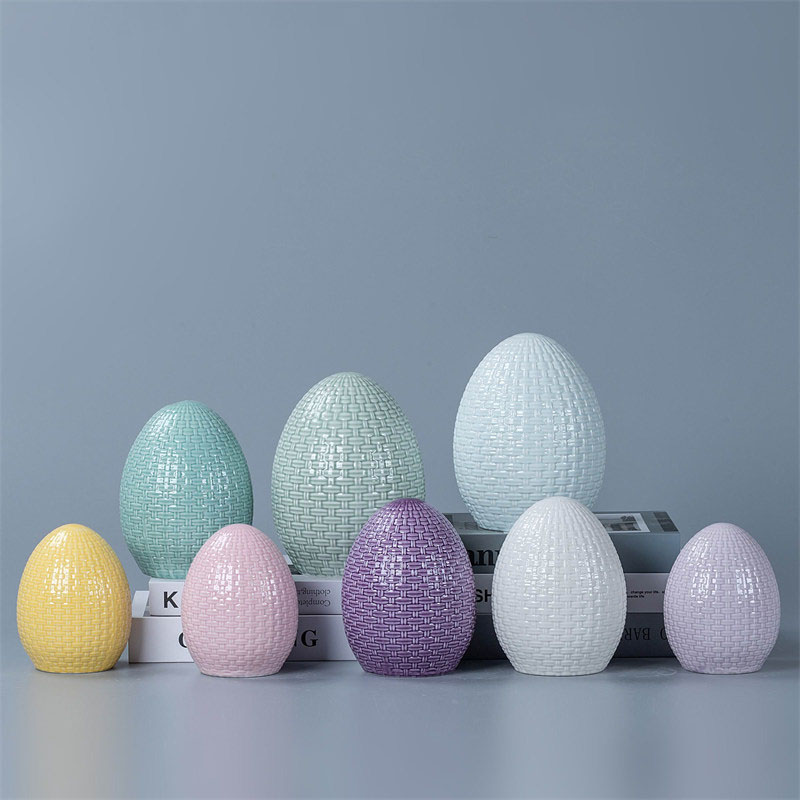
Most vases look good in a catalog. Fewer survive a real installation.
As a residential interior designer, I do not buy a vase just to “fill” a console or soften an empty corner. I buy it because the right vessel can finish a room before flowers ever arrive. A true Decorative Vase for Interior Designers has to hold visual weight, connect materials, photograph beautifully, and still feel relevant six months later when the styling changes. That thinking aligns with consumer research published in the Journal of Consumer Research, which describes minimalist consumption not simply as owning less, but as mindfully curated consumption. In other words, every object now has to earn its place.
The Vase That Does More Than Decorate
In real projects, the vase is often the bridge piece. It can connect wood to stone, soften a strict architectural line, echo the curve of a chair, or introduce a handcrafted note into a room that feels too engineered. That is why I keep returning to ceramics. The best ceramic vase is not passive décor. It behaves like a small piece of architecture.
When I review pottery home decor wholesale collections, I am not looking for random assortment. I am looking for form discipline. I want a vessel that can stand alone on a bookshelf, work in a pair on a mantel, or anchor a large dining table without fighting the room. That is also why Contemporary Ceramic Art matters so much right now: it gives designers something emotionally rich, but still commercially usable.
What the Market Is Quietly Telling Us
The market data is clear: decorative accessories are not an afterthought category. Home Accents Today reported that decorative accessories sales rose an estimated 3.1% to $31.9 billion in 2025, representing 37% of total home accent sales and the strongest percentage growth among the major categories it tracks. At the same time, Atlanta Market January 2026 reported a 5% increase in stores attending and a 15% increase in first-time buyers, while Las Vegas Market Winter 2026 reported expanding buyer attendance and strong new-account activity. That combination usually means buyers are prioritizing pieces with quick visual impact, strong styling flexibility, and cleaner reorder potential. Vases sit right in the center of that demand.
Why Ceramics Feel Especially Right in 2026
The current direction in décor is warmer, moodier, and more tactile. According to 2026 trend coverage from Home Accents Today, designers are leaning into rich browns, ochres, greens, dimensional textures, and artisanal glazes. Recent market coverage also highlighted raku ceramics, iridescent finishes, bold stripes, whimsical forms, and sculptural silhouettes as standout directions. That tells me something important: the decorative vase is moving away from generic filler and closer to statement object territory.
This is exactly where a refined Cherry Blossom Home Accent can work beautifully. Not when it feels overly literal or souvenir-like, but when the floral idea is translated through relief, silhouette, glaze depth, or branch-like form. The same rule applies to expressive ceramics more broadly: softness is welcome, but sentimentality is not. A designer-grade vase should still feel edited.
Social Media Is Changing What “Styling-Ready” Means
Designers are not sourcing in a vacuum anymore. ELLE DECOR notes that design-related hashtags pull billions of cumulative views, and cites consumer research indicating that half of furniture buyers begin the inspiration phase on social platforms. At the same time, both ELLE DECOR and PORTER point to 2026 TikTok-driven aesthetics such as skirted furniture, cluttercore, hostingcore, and eclectic layering. The takeaway is not that every room should become theatrical. The takeaway is that empty, over-sanitized rooms are losing cultural energy. People want interiors that feel collected, personal, and visually legible on screen. A strong ceramic vase delivers exactly that.
What I Actually Look for Before I Specify a Vase
I look for four things.
First, the silhouette has to hold its own without flowers.
Second, the glaze or finish has to add texture, not noise.
Third, the piece has to move across applications—console, shelf, nightstand, dining table, staging set, model home.
Fourth, the sourcing has to be dependable.
That last point is where ceramic home accessories wholesale stops being a keyword and starts becoming a real business advantage. I do not just need a beautiful object. I need a ceramic accent pieces supplier that understands finish consistency, protective packaging, workable MOQs, sample rhythm, and reorder discipline. For design studios, retailers, and project buyers, that is why a Teruier Factory Direct model is useful: it links design taste to production reality before lead times, breakage, or inconsistency start eating the margin.
The Best Vase Is the One That Resolves the Room
In 2026, the smartest Decorative Vase for Interior Designers is not the loudest piece in the room. It is the piece that makes the room feel finished.
If a vase can bring sculptural form, handcrafted warmth, social-media readability, and project-friendly sourcing into one object, it stops being a styling extra. It becomes part of the design strategy.
And that is exactly the kind of decorative vase worth specifying.
Leave a Reply