

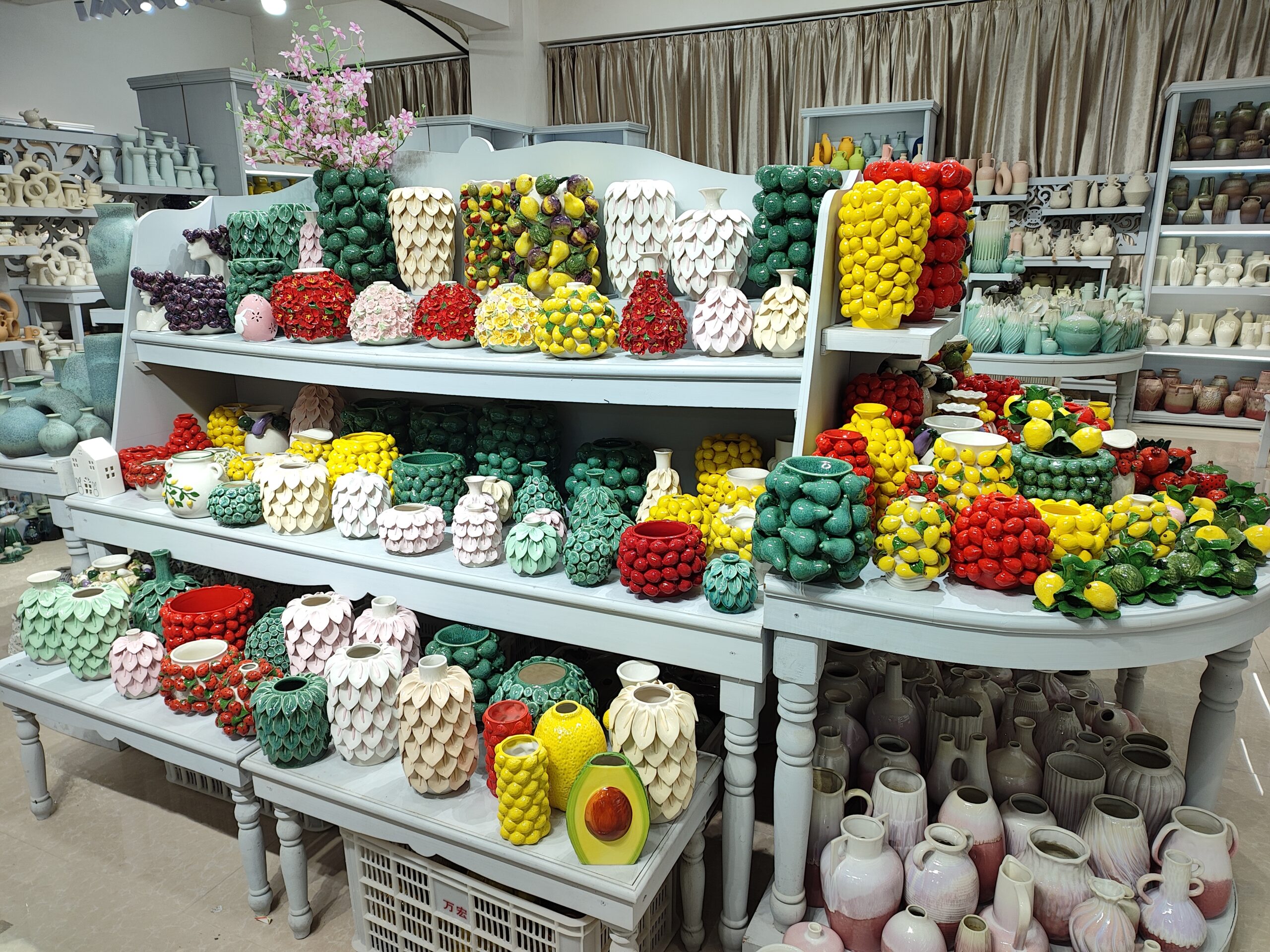
As a U.S. interior designer, I never treat a vase as a background object.
A vase is one of the fastest ways to change how a room feels. It can sharpen a shelf, soften a console, wake up a neutral dining table, and make a furniture vignette look finished instead of staged. That is why choosing the right ceramic vase manufacturer matters so much more than many buyers realize.
Today’s buyers are not simply looking for “decor.” They are looking for objects that feel intentional, photograph well, support multiple styles, and still make sense for reorder, bundling, and visual merchandising. That shift matches what current U.S. design coverage is showing: homes are moving toward more expressive, layered, character-driven interiors rather than flat minimalism. TikTok-influenced 2026 trends highlighted by ELLE Decor include more personality, more tactile styling, and more playful decorative language, while color forecasts point toward warmer neutrals, dusty jewel tones, and bolder emotional palettes.
A Good Vase Does More Than Hold Branches
The best vases do emotional work.
Research connected to the University of Pennsylvania’s Center for Neuroaesthetics shows that people respond strongly to interior qualities such as coherence, fascination, and hominess. In practical design terms, that means people are more comfortable in spaces that feel visually resolved, interesting, and warm. Decorative objects play a real role in creating that response.
That is why strong interior design vases are not filler. They are structure. A ceramic piece with the right silhouette can make a room feel more deliberate without adding visual noise.
For B2B buyers, that changes the sourcing mindset. You are not just buying product. You are buying visual control.
What Buyers Should Really Want From a Ceramic Vase Manufacturer
A real ceramic vase manufacturer should not only know how to produce an object. They should understand how a vase performs in the market.
That means understanding:
-
silhouette and proportion
-
finish consistency
-
grouping logic across sizes
-
how color reads under showroom light and phone cameras
-
how a vase fits into a larger decor story
This is what separates a generic supplier from a true modern vase supplier China buyers can scale with.
The best factories are not sending random shapes. They are building collections: one hero form, one companion size, one shorter accent, maybe one more artistic curve. That is how buyers create a shelf story, a tabletop story, or a bundle that looks editorial instead of accidental.
Why the Market Is Rewarding More Personality Right Now
One reason ceramic vases are becoming more useful is that the market is less interested in cold perfection than it was a few years ago.
Recent design coverage shows a clear return to layered homes, expressive objects, and styling with more charm and memory. TikTok-driven trends like cabbagecore, nostalgia-led interiors, and more “lived-in” decorative language all point in the same direction: customers want homes with more personality.
That is exactly where ceramic wins.
Ceramic can be sculptural without feeling flashy. It can be playful without feeling disposable. It can feel artisanal, warm, and collectible while still working in broad commercial assortments.
This is also why a lemon vase can matter more than it sounds. Fruit-inspired objects and cheerful tabletop accents continue to fit the growing appetite for warmth, whimsy, and camera-friendly decor. Used correctly, a lemon-inspired vase is not kitsch. It is a visual mood-lifter.
American Home Trends Are Making Vases More Important, Not Less
When buyers talk about American home trends vases, they are really talking about a bigger shift in consumer taste.
Homes are getting more individualistic. Designers quoted in recent 2026 coverage describe living rooms becoming more artful, more layered, and more intentionally personal. That means the objects inside those rooms have to do more than “match.” They have to carry character.
For sourcing, that means buyers should look for vases that can support multiple directions:
-
warm modern interiors
-
collected coastal spaces
-
edited maximalist rooms
-
boutique hospitality looks
-
color-forward urban apartments
A good ceramic collection should move across these uses without losing identity.
Why Miami Is a Useful Reference Point
I pay attention to Miami interior design vases because Miami often signals where decorative styling is heading before it becomes mainstream in other U.S. markets.
The Miami look, at its best, blends sculptural form, sunlight-friendly color, playful elegance, and visual confidence. That makes it a strong reference for ceramic development. If a vase collection can feel fresh in a Miami-inspired environment while still reading polished in more neutral interiors, it usually has broad commercial potential.
This is where a strong Chinese ceramic factory can be very effective. Not because buyers want “cheap production,” but because they want development flexibility: the ability to translate trend cues into scalable forms, consistent glaze execution, and commercially usable assortments.
What I Would Ask Before Placing the Order
Before choosing a ceramic vase manufacturer, I would ask:
Can this supplier create a family of forms, not just one good sample?
Do the finishes support both neutral projects and color-led trend stories?
Will the collection read well in digital merchandising and styled photography?
Can the assortment support sculptural hero pieces and more commercial everyday shapes?
Does the factory think like a design partner, or only like a production line?
Those questions matter because the market no longer rewards generic decor very well. Buyers want collections that help them merchandise with confidence.
Final Thought
The right ceramic vase manufacturer does not just make containers.
They help designers create atmosphere. They help retailers create stronger displays. They help buyers turn a simple accessory category into a higher-value visual story.
And in a market shaped by warmer palettes, expressive rooms, and TikTok-accelerated taste shifts, that matters more than ever. Homes in 2026 are becoming more tactile, more personal, and more emotionally styled, which makes well-designed ceramic vases even more commercially relevant.
That is why I still believe a great vase is never a small decision.
It is one of the smartest ones.
Leave a Reply