

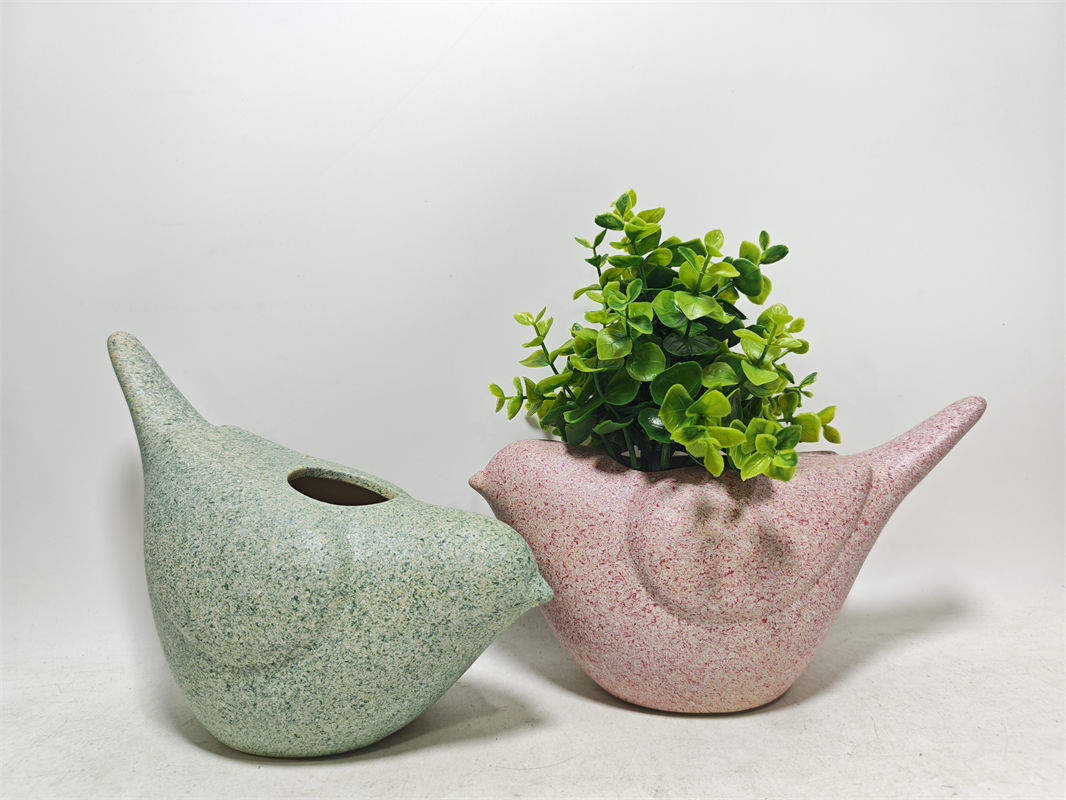
As a U.S. home interior designer, I do not source decor just because it looks expensive. I source it because it helps a space feel finished, gives retailers something easy to merchandise, and gives end customers a reason to stop, look, and buy.
That is exactly why wholesale porcelain home decor is becoming more important in today’s market.
Porcelain sits in a powerful category for B2B buyers. It carries the refinement people want, but it can also be shaped into product families that work across entryways, mantels, tabletops, gifting, and seasonal styling. In other words, it is not only decorative. It is commercially flexible.
And right now, flexibility matters.
High Point Market’s official 2025 trend direction, “Cultivate,” points toward interiors with more warmth, personality, craft, and emotional depth. Las Vegas Market also continues positioning home décor as a major growth area for retailers seeking differentiated assortments across style and price points. That is good news for porcelain, because porcelain performs best when buyers want visual character without losing retail clarity.
Porcelain Sells Best When It Feels Intentional
There is a reason some decor feels memorable and some feels disposable.
Research on architectural and interior experience has shown that people respond strongly to qualities such as coherence, fascination, and hominess. In simple terms, people are drawn to spaces that feel visually organized, emotionally engaging, and comfortable. Decorative objects are part of that equation. They help create those emotional signals inside a room.
That is why strong porcelain pieces matter so much. A well-shaped vase, a sculptural porcelain accent, or a layered mantel arrangement can do more than fill empty space. It can make a room feel more complete and more livable.
For B2B buyers, that means wholesale porcelain home decor should not be treated as filler inventory. It should be treated as atmosphere-building inventory.
The Best Porcelain Programs Are Built as Systems, Not Singles
One mistake I see often is buyers sourcing isolated products instead of visual systems.
The better strategy is to buy porcelain as a collection. A hero vase. Two supporting pieces. A small accent object. A companion bowl. Maybe one seasonal item with more personality. That is how you create easy visual merchandising.
This matters even more for stores looking for mantel decor bundle wholesale options or for retailers building wholesale mantelpieces USA assortments that feel styled instead of random. When the collection is cohesive, staff can merchandise faster, displays look more premium, and the customer understands the story immediately.
That same logic applies to ceramic decorative vases wholesale. The vase itself matters, but the assortment logic matters more. Heights, silhouettes, glaze variation, and display compatibility are what turn a product into a repeatable sales program.
What U.S. Buyers Are Really Looking for Now
In today’s market, most buyers are not asking for “more products.” They are asking for better visual performance.
That means:
-
pieces that photograph well for digital merchandising
-
forms that work in both modern and transitional interiors
-
decorative groups that can sell in bundles, not only as singles
-
materials that feel elevated without pushing the price too high
-
designs that are expressive enough to stand out, but not so niche that they scare away volume buyers
This is where vase bulk import becomes commercially useful. If a buyer can source a porcelain collection with strong design consistency, usable carton planning, and dependable replenishment, that collection becomes much easier to scale across multiple locations or regional assortments.
For wholesale decor for Midwest retailers, the sweet spot is usually approachable refinement: forms that feel polished, warm, and giftable without being too trend-fragile. For Los Angeles decor sourcing, the mix often leans more sculptural, more editorial, and more visually distinctive. The smart supplier understands both moods and can adapt one porcelain category into different market-facing stories.
The Social Media Effect Is Real, and Buyers Should Stop Ignoring It
TikTok has changed home decor faster than many traditional buyers want to admit.
Recent design coverage on TikTok-driven interior trends shows a continued move toward more expressive homes: layered rooms, character pieces, nostalgic accents, and visually legible styling choices that read immediately on camera. In other words, homes are becoming less flat and more personal.
That shift matters for porcelain.
Porcelain has always had visual elegance, but now it also has a second advantage: it can carry personality without looking cheap. A sculptural vase, a collector-feeling decorative object, or a porcelain piece with a little wit or color can perform both in a showroom and on a phone screen.
This is especially relevant for retailers that also overlap with gift channels, tourist zones, or local culture-driven assortments. In those cases, a Souvenir Wholesale Supplier approach can sometimes blend with premium home decor sourcing better than people expect. The key is not making it feel gimmicky. The key is giving the piece enough design integrity that it belongs in the home first, and the memory economy second.
Why Mantels and Entry Surfaces Still Matter So Much
Designers know that not every space needs a large statement piece. Many of the highest-impact buying decisions happen on smaller visual surfaces: mantels, consoles, entry tables, open shelves, and styled bookcases.
These are exactly the surfaces where porcelain wins.
Porcelain works because it layers easily with wood, brass, books, candles, greenery, and framed art. It reflects light differently than resin or plastic, and it tends to hold a more premium silhouette language. That makes it particularly strong for mantel decor bundle wholesale programs and for visual packages designed around wholesale mantelpieces USA demand.
For retailers, that means better bundle storytelling. For designers, that means faster room completion. For customers, that means easier styling confidence.
What I Would Ask Before Buying a Porcelain Collection
If I were evaluating a supplier for wholesale porcelain home decor, I would ask these questions immediately:
Can this assortment work as a family, not just as random items?
Can it support both wholesale decor for Midwest and more design-forward markets like Los Angeles decor sourcing?
Can the supplier build programs around ceramic decorative vases wholesale rather than only one-off SKUs?
Will the products hold visual value under bright showroom lighting, natural light, and mobile photography?
Can the assortment be bundled for mantels, entry tables, gifting zones, or seasonal edits?
Those questions matter because today’s decor market is not just about product quality. It is about merchandising readiness.
Final Thought
The future of wholesale porcelain home decor is not about chasing decoration for decoration’s sake.
It is about sourcing objects that help retailers build stronger displays, help designers complete rooms with emotional clarity, and help customers feel that a home is not just furnished, but finished.
That is why porcelain is still such a smart category.
It is elegant enough to feel elevated, practical enough to merchandise, flexible enough to travel across regions, and expressive enough to survive both showroom scrutiny and social media attention.
For a B2B buyer, that is not just beautiful. That is useful inventory.
Leave a Reply