

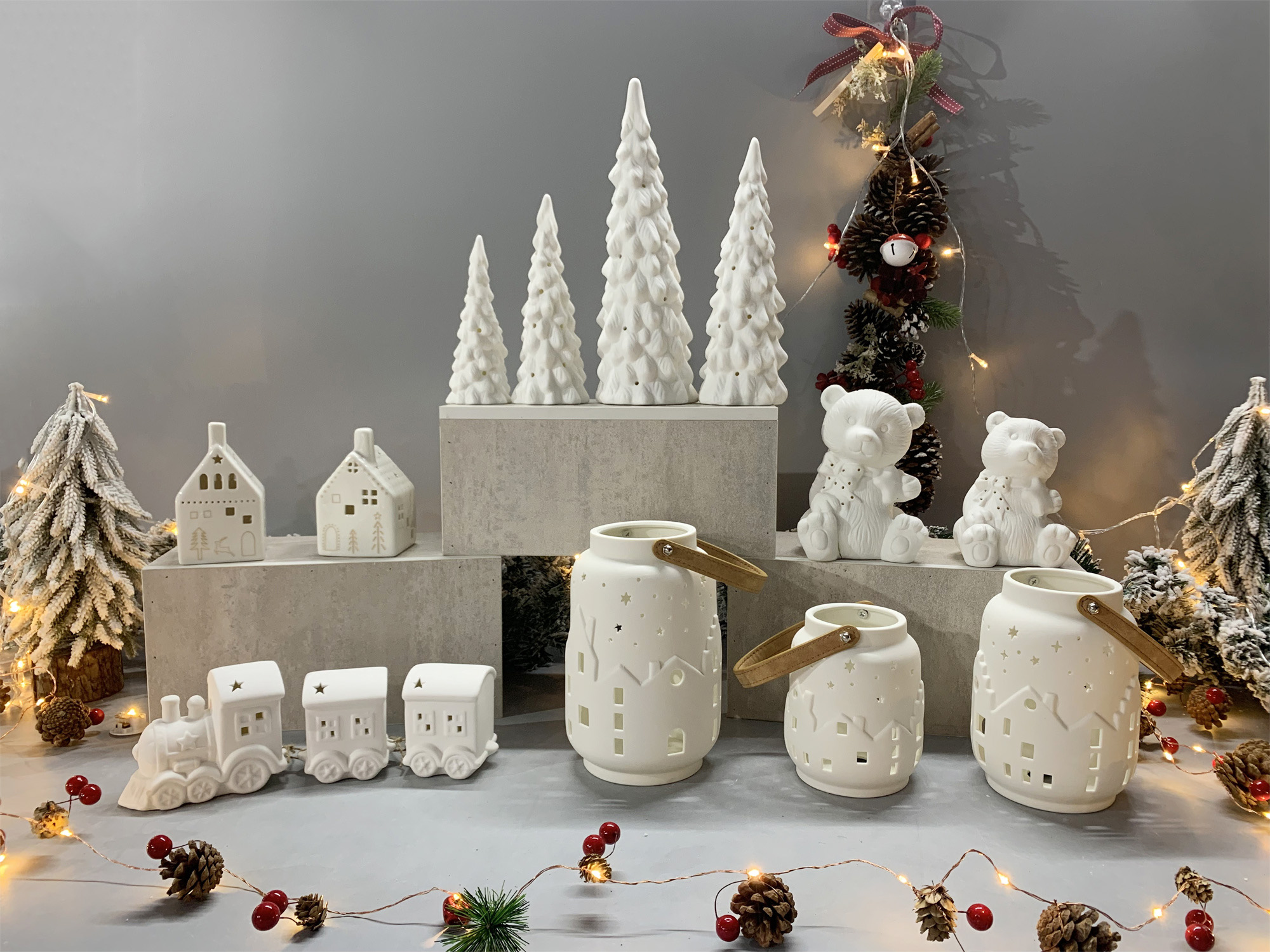
When I source decor for a residential project, I’m not just looking for something “pretty.” I’m looking for pieces that do three jobs at once: they need to elevate the room, make the client feel something instantly, and still make sense for retail, reorder, and margin.
That is exactly why wholesale porcelain home decor matters more now than it did a few years ago.
Porcelain has moved beyond the old idea of being merely delicate or traditional. In the current U.S. home market, it sits in a very attractive middle zone: tactile but refined, decorative but useful, artistic but commercially flexible. Buyers want pieces that photograph well, layer easily into different aesthetics, and can work across entryway styling, tabletop moments, shelf decor, gifting, and seasonal refreshes. Recent market signals from High Point and Las Vegas Market also point toward craftsmanship, layered texture, playful detailing, and emotionally warm styling rather than flat, generic decor.
Porcelain Works Because It Feels Personal, Not Generic
One reason porcelain keeps outperforming trend-chasing decor is that it creates what designers would call visual intimacy. Research in neuroaesthetics has identified qualities such as hominess, coherence, and fascination as meaningful dimensions in how people respond to interiors. That matters for buyers, because the best decor is not just seen; it helps a space feel resolved and emotionally livable.
In practical terms, that means a porcelain object with the right silhouette, glaze depth, and surface detail can do more than fill empty space. It can soften a modern room, sharpen a neutral palette, or make a styled console feel intentional instead of staged.
That is why I often tell retail buyers this: don’t source porcelain as filler. Source it as a mood-setting tool.
What Buyers Should Be Looking for Right Now
If you want wholesale porcelain home decor to perform in today’s market, look for collections that balance timelessness with camera-friendly personality.
First, prioritize shape. Strong outlines sell. Clean amphora forms, rounded vessels, sculptural handles, stacked silhouettes, and playful fruit-inspired objects all have more stopping power than flat conventional pieces.
Second, prioritize finish. Matte glaze, reactive glaze, hand-finished edges, and layered tonal surfaces tend to feel more premium than overly glossy mass-market looks.
Third, think in display systems, not single pieces. A well-built porcelain program should support an entire story: a hero vase, supporting bud vases, a bowl or figurine, and maybe one accent item that acts as the conversation starter.
That is where custom ceramic vases bulk programs become commercially useful. Instead of buying random SKUs, buyers can build coordinated collections for shelving, tabletop merchandising, hospitality placement, or American style entryway decor packages.
The New Commercial Advantage: Decorative, But Easy to Merchandise
A lot of buyers still underestimate one thing: the best-selling decor is often the easiest decor to merchandise.
Porcelain has an advantage here. It bridges multiple retail environments without losing identity. The same collection can be sold as:
-
shelf styling for boutique home stores
-
paired add-ons for furniture floors
-
giftable objects for lifestyle retailers
-
elevated accessories for model homes and staging
-
visual anchors in entryway and console-table programs
This is especially true for high quality ceramic vases and curated accent sets. A buyer does not need 100 disconnected “art pieces.” They need a group that can be displayed in twos, threes, or bundles with a clear visual hierarchy.
For that reason, I’ve seen increasing interest in ceramic decoration wholesale lines that offer both safe core pieces and a few expressive accents. That mix helps retailers protect turn while still looking current.
Why Playful Porcelain Is Suddenly So Useful
One of the clearest signals from recent market and social content is that decor is getting warmer, more playful, and more emotionally expressive. Las Vegas Market’s 2025 buyer-picked Snapshot winners included fruit-forward novelty design, while recent design coverage points to earthy vibrant color and personality-rich styling rather than sterile minimalism.
That is part of why a vibrant lemon vase or other fruit-adjacent porcelain accent can work surprisingly well right now. It adds charm, color, and memorability without forcing an entire room into a novelty theme.
And yes, TikTok matters here. Recent home-design coverage notes that social platforms accelerate taste cycles and reward decor that is instantly legible on camera. Pieces with visual humor, vintage references, soft nostalgia, or sculptural clarity have a better chance of being saved, shared, and discussed. Mirror walls, “grandma decor,” and other expressive interior trends are examples of that broader shift toward layered, character-rich homes.
For B2B buyers, the takeaway is simple: don’t treat social-media-friendly design as superficial. Treat it as merchandising intelligence.
Miami Taste, American Retail Logic
A style direction I’ve been watching closely is what I’d describe as Miami ceramic decor designs with broader U.S. appeal: brighter accents, sun-washed tones, citrus notes, sculptural curves, and a slightly more playful Mediterranean-meets-modern attitude.
The smart version of that look is not loud. It is edited.
That makes it ideal for porcelain. A porcelain collection can carry coastal freshness, boutique-hotel polish, or colorful entryway energy without becoming trend-burned too fast. This is especially valuable for buyers who want wholesale ceramic art products that feel artistic enough for display, but still understandable enough for mainstream consumers.
What I Would Ask a Supplier Before Buying
If I were buying a porcelain line today, I would ask five things immediately:
Can this collection be merchandised as a family, not just as singles?
Can the supplier support custom ceramic vases bulk for exclusive programs or regional assortments?
Do the forms work across modern, transitional, and collected interiors?
Will the glaze and shape still look premium under showroom lighting and phone cameras?
Can the assortment support practical use cases like American style entryway decor, shelf styling, gifting, and tabletop placement?
Those questions separate real programs from random product piles.
Final Thought
The future of wholesale porcelain home decor is not about chasing whatever looks trendy for one season. It is about sourcing pieces that make homes feel warmer, shelves look smarter, and product displays more memorable.
That is why porcelain still wins.
It gives buyers something rare: material credibility, design flexibility, emotional resonance, and visual sales power in one category.
And in a market where everyone is fighting for attention, that combination is not just beautiful. It is profitable.
Leave a Reply