

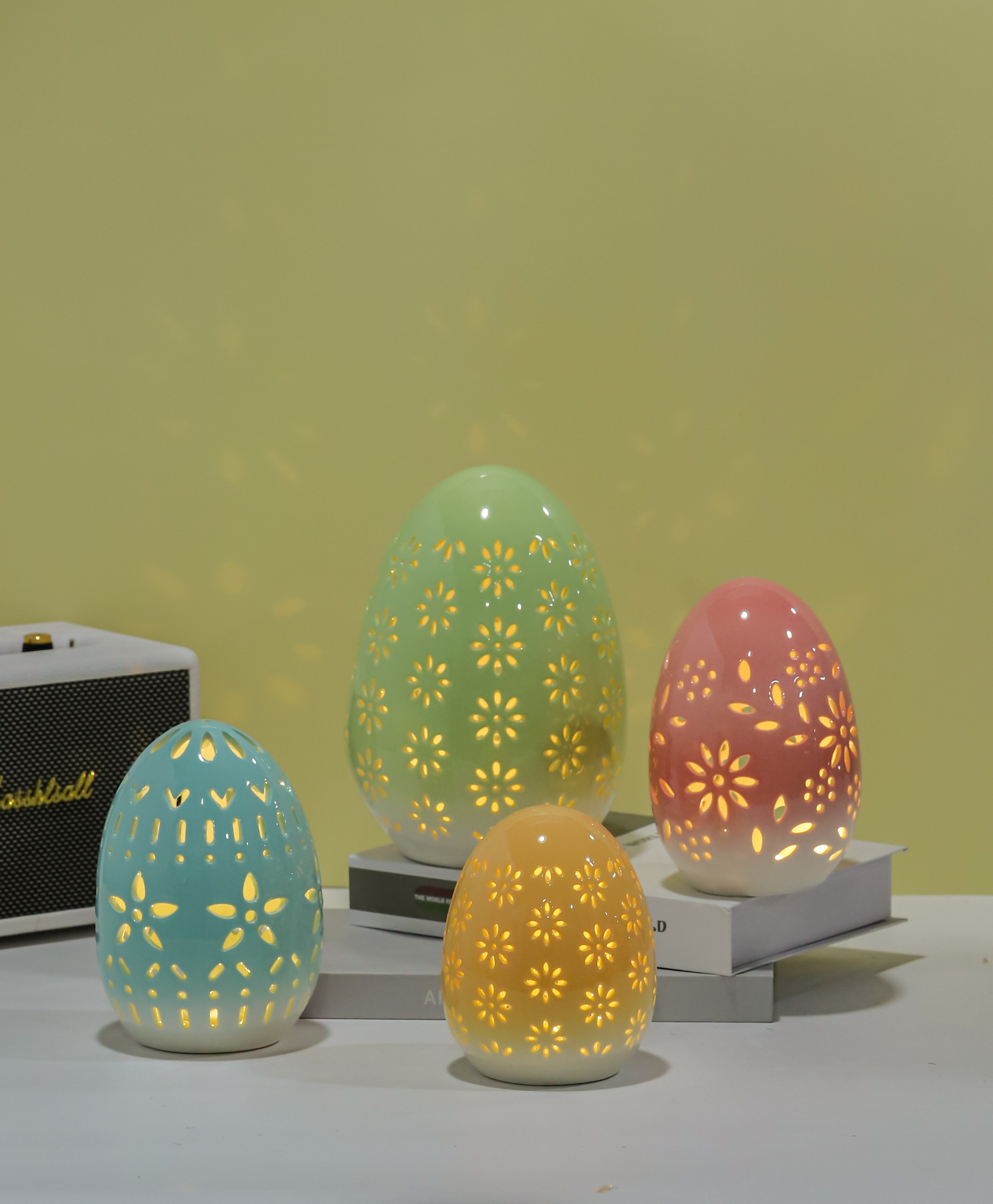
Handcrafted Ceramic Crafts: The “First 10 Seconds” Décor That Sells
If you want to predict whether a décor SKU will move, don’t start at the shelf.
Start at the front door.
Because the most profitable décor isn’t the stuff customers “need.” It’s the stuff they notice in the first 10 seconds—entryway styling at home, and lobby styling in hotels. That’s why handcrafted ceramic crafts keep winning: they’re small enough to impulse, tactile enough to feel premium, and flexible enough to live in multiple style stories.
And demand for “handmade + meaningful” is not just a vibe—market research consistently cites rising interest in unique, handmade products as a key driver in the handicrafts category.
Entryway table decor wholesale is a conversion zone, not a category
Buyers sometimes treat entryway décor like “filler.” That’s expensive thinking.
A well-built entryway table decor wholesale program does three jobs:
-
Sets the home’s tone fast (texture + silhouette beats theme)
-
Carries gifting (vases and small ceramics are “safe” gifts)
-
Photographs cleanly (ecommerce-friendly, low styling effort)
This is where U.S. interior design ceramic crafts trends matter: designers are leaning into texture, contrast, and warmth—exactly what ceramic craft surfaces deliver when they’re done well.
Hotel decor wholesale follows the same rule: guests judge in seconds
Hotels buy décor like retailers with a stopwatch. Lobbies are the new “first impression feed,” and ceramics are one of the fastest ways to signal quality without building anything permanent.
Also, the pipeline is real: Lodging Econometrics reported a U.S. hotel construction pipeline of 6,205 projects at the Q3 2025 close—meaning procurement demand doesn’t stop after one season.
If you serve hotel decor wholesale, handcrafted ceramics work because they:
-
add tactile “luxury” without fragile complexity,
-
scale across brand standards,
-
and can be refreshed seasonally (new glaze, new shape family) without redesigning the whole space.
“Chinese vase supplier USA” works when you treat it like a system, not a gamble
Yes—many American retailers source from a Chinese vase supplier USA program. The difference between a win and a headache is whether you’re buying a sample or building a repeatable system.
Here’s the buyer logic that scales:
-
Lock one body + one surface language (ribbing, carving, matte glaze)
-
Build a family (3 sizes, 2 silhouettes, 1 consistent palette)
-
Define QC in plain terms (wobble, rim chips, glaze pinholes, color tolerance)
-
Package for DC reality (not showroom shipping)
That approach gives you handcrafted feel with wholesale discipline—the sweet spot for wholesale retail programs.
Quick checklist buyers can copy-paste into a PO email
If you’re sourcing handcrafted ceramic crafts for entryway and hospitality, ask the supplier:
-
Can this vase sell empty (most customers buy before they buy stems)?
-
What’s the glaze repeatability standard batch-to-batch?
-
What defect rate is acceptable—and how are credits handled?
-
Is packaging designed to prevent rim impact + glaze rub?
-
What’s reorder lead time after the first shipment lands?
If the answers are clean, you’re not just buying décor—you’re building a program.
The buyer takeaway
The reason handcrafted ceramic crafts keep outperforming is simple: they’re “quiet statement pieces” that work in both worlds—entryway table decor wholesale for retail turns, and hotel decor wholesale for branded first impressions.
Source them like a collection (not one-offs), and your ceramics stop being seasonal filler and start becoming a reorder engine.
Leave a Reply