

I have a theory about sourcing.
The best factories do not feel especially factory-like.
They feel edited. Calm. Slightly obsessive in the right ways. The shelves are not shouting. The samples are not trying too hard. And the people behind them understand that in home decor, beauty is not only about design — it is about whether that design survives the rather unglamorous realities of production, packing, timing, and repeat orders.
That is why, when I look for a home decor factory China partner, I am not only looking for output. I am looking for point of view.
Good workshops don’t just make product — they hold onto the charm
A lovely object is easy enough to sample.
A lovely object that still feels lovely after production is the real achievement.
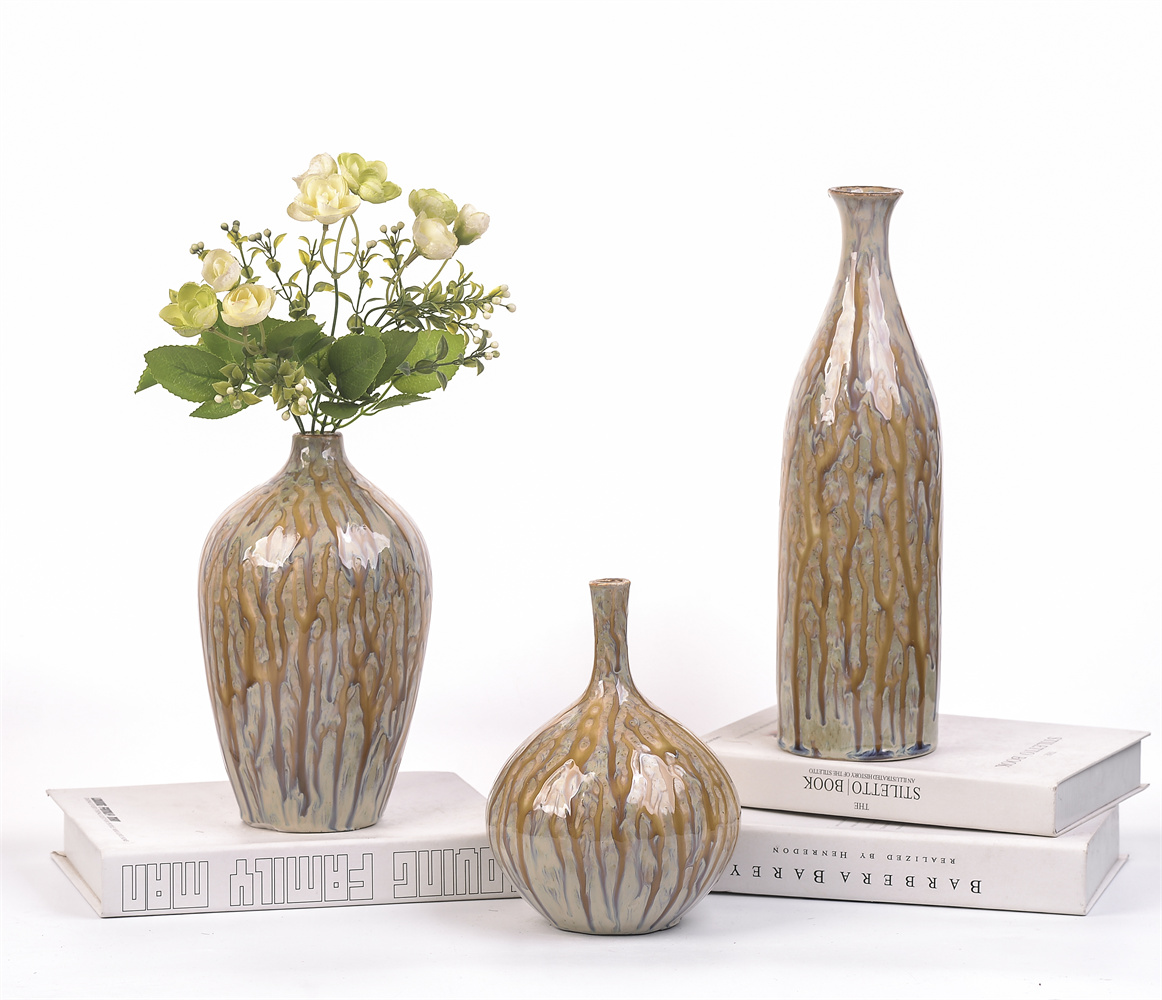
That is where a workshop starts to matter. A strong OEM ODM workshop capability should not mean “we can make anything.” It should mean “we know how to protect what made the original idea work.” The curve of a vase. The softness of a glaze. The balance of a set. The scale that makes a piece feel designer-ish rather than generic.
That kind of thinking matters even more now. ASID’s 2026 design outlook points toward expressive, personality-driven interiors, elevated craftsmanship, and design rooted in purpose and performance. At the same time, TikTok’s 2026 interior trends are leaning into nostalgia, tactile living, and more emotionally expressive details rather than empty minimalism. Buyers want product with personality, but they still want it to behave.
North America still loves warmth — just in a more polished way
This is where many suppliers get the mood wrong.
They hear “warm” and send something heavy. They hear “farmhouse” and send something overly literal. They hear “craft” and forget restraint altogether.
But the more interesting North American direction right now is not rustic overload. It is softness, texture, and personality with better editing. Even the TikTok-fueled trends getting traction in 2026 are not just cute for five minutes; they are being described as having staying power, with heritage references and tactile charm built in.
That is why farmhouse decor wholesale still has room to work — when it is done with a little air and a little taste. Think quieter ceramics, washed finishes, thoughtful silhouettes, and objects that feel collected rather than staged. Less “theme,” more atmosphere.
Heritage is not a costume. It is a production advantage
The reason I still find craft-rooted workshops so persuasive is simple: they tend to understand material dignity.
A good pottery manufacturer knows that ceramics are not forgiving. They reveal shortcuts. They punish inconsistency. They expose the difference between styling and substance almost immediately. The Met notes that porcelain is fired at very high temperatures so it becomes strong and vitrified, unlike low-fired earthenware, which is more porous and more easily broken. In other words, refinement is technical before it is visual.
That is why heritage craft home decor is more than a romantic phrase. In the right workshop, heritage becomes rhythm. It becomes better instincts around form, finish, and handling. It becomes a quiet advantage in categories where small differences make a piece feel premium.
A factory tour should tell you more than the catalog does
Honestly, a proper factory tour home decor manufacturer visit should be a little revealing.
Not in a dramatic way. In a useful one.
You should be able to see whether the workshop understands flow. Whether samples are treated like placeholders or like the start of a repeatable system. Whether the team notices edges, proportions, glaze depth, packing logic, and the dozens of tiny decisions that make decorative product feel considered.
That is the sort of thing I want from a factory story now. Not a brag about scale. A glimpse of judgment.
Because buyers are not really asking, “Can you make this?”
They are asking, “Can you make this and keep it beautiful?”
The pieces buyers remember are usually the easiest ones to place
One of the easiest ways to tell whether a workshop really understands retail is to look at the pieces it builds for everyday styling moments.
For instance, a good centerpiece vase wholesale program should not feel like filler. It should feel like the anchor of a table, a sideboard, or an entry moment — something with enough personality to hold the eye, but enough versatility to move across seasons and stories. Those are the pieces buyers return to because they are easy to merchandise and pleasantly hard to regret.
And that, really, is what the right home decor factory China partner offers: not just decorative objects, but decorative confidence.
Teruierdecor’s workshop story works best when it leans into that truth.
Not factory as volume.
Factory as sensibility.
Factory as the place where design gets steadied, sharpened, and made ready for the real world.
That is a much better story to tell.
And for buyers, it is a much better one to buy into.
Leave a Reply