

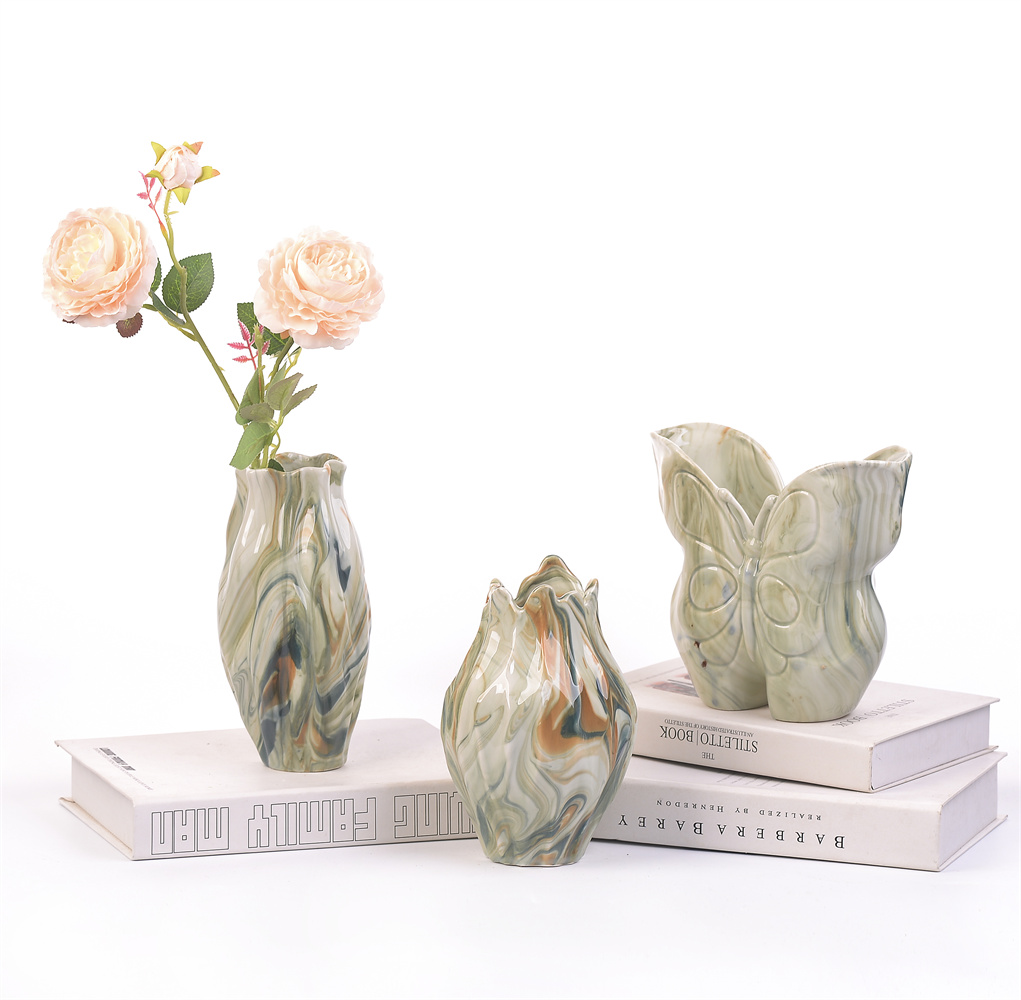
There is a particular kind of disappointment every designer knows.
A piece looks lovely in a sample room. It photographs beautifully. It even has that little spark of personality buyers are always chasing. Then production begins, the finish softens, the shape loses a bit of poise, the set no longer feels considered, and what once looked editorial starts reading merely “available.”
That is why, when I think about a home decor factory China partner, I am not simply looking for output. I am looking for atmosphere, discipline, and taste translated into process. In other words: I want a workshop, not just a factory.
And that distinction matters even more now. North American design signals for 2026 are leaning toward expressive interiors, elevated craftsmanship, layered texture, and products that feel personal rather than generic. ASID’s 2026 outlook frames the year around expressive, personality-driven interiors and craftsmanship tied to purpose and performance, while High Point Market’s Style Spotters are once again scanning 11.5 million square feet for moment-defining trends. Coverings’ 2026 trend forecast is also leaning into metallic warmth, artisanal detail, and tactile surface stories.
A workshop should make design feel safer, not just prettier
The factories I trust most are not the ones promising everything.
They are the ones that understand where beauty usually breaks.
A good workshop knows that proportion is not a styling detail. Finish consistency is not a minor issue. Packaging is not an afterthought. A collection is not just a pile of SKUs. It is a mood, a margin strategy, and a customer experience disguised as objects.
That is where cross-border design manufacturing becomes meaningful. Not as a slogan, but as a working method. The best suppliers can take a designer’s sketch, a buyer’s price point, a retailer’s timing pressure, and a merchant’s display logic, then turn all of that into something retail-ready without stripping away the charm.
That is also where real design to manufacturing collaboration lives: in sample refinement, material choices, silhouette protection, glaze review, and the quiet little decisions that stop a beautiful idea from becoming a compromised one.
Heritage is lovely. Heritage with control is better
I have a soft spot for workshops rooted in craft towns because they tend to understand one important thing: decorative objects are not only products. They are cultural habits made physical.
That is part of the appeal of heritage craft home decor. It carries a sense of touch, rhythm, and memory that purely trend-led production often cannot fake. The Victoria and Albert Museum notes that Dehua’s porcelain tradition stretches back centuries and that the town still thrives today with both industrial success and artistic creativity. The Met similarly points out that porcelain’s strength and refinement come from technically demanding high-temperature firing and a more advanced ceramic process than ordinary earthenware.
For a buyer, that matters. Because the best workshop story is never just “we have heritage.” It is “we know how to turn heritage into consistency.”
That is the sort of difference that separates a charming pottery manufacturer from a commercially useful one.
North America is not asking for bland anymore
The market mood has shifted.
The cleaner, flatter, more anonymous years have given way to interiors with a little more wit, softness, and personality. TikTok is part of that story too. ELLE DECOR’s recent look at 2026 TikTok interiors argues that the platform is no longer just pushing disposable novelty; it is amplifying trends with real-world traction, including nostalgic detailing, heritage references, and more emotionally expressive spaces.
You can feel that change in buying too. Retailers are not only asking for standalone pieces; they are asking for more coherent little worlds. The rise of coordinated vignettes makes an entryway decor set wholesale strategy especially relevant: a mirror, a vase, a console accent, a tray, perhaps a candleholder or sculptural object, all speaking the same visual language without looking overly matched.
That is where a workshop with taste becomes commercially powerful. It can build not just products, but display logic.
A trusted supplier is measured in reorders, not introductions
This is the least glamorous sentence in the room, but it is still true:
The real test of a trusted home decor supplier China buyers return to is not whether the first sample looks good. It is whether the second and third orders still feel intentional.
Does the glaze remain steady?
Does the scale stay elegant?
Does the set still land as a story instead of a random assortment?
Does the supplier understand that buyers need confidence, not drama?
That is why Teruierdecor’s workshop story should lean into something more interesting than “factory direct.” It should lean into the fact that the workshop sits in a craft-rich environment, understands decorative nuance, and knows how to connect design language with production discipline.
That is more persuasive.
It is also more modern.
The new luxury is a factory that understands editing
Perhaps that is the simplest way to say it.
A compelling home decor factory China partner in 2026 is not the one that overwhelms you with choices. It is the one that edits well. It knows when to soften a curve, when to deepen a glaze, when to simplify a set, when to protect a hero piece, and when to say: this collection will travel better, display better, and sell better if we do slightly less, but do it beautifully.
That is the feeling good workshops create.
Not factory energy.
Studio energy.
And from a designer’s point of view, that is exactly the kind of manufacturing story worth telling.
Leave a Reply