

Why the Most Stylish Home Decor Brands Still Begin at the Factory
A beautiful room often starts much earlier
As a German interior designer, I have never believed that style begins in the showroom. It begins earlier — in the maker’s hand, in the finish choice, in the proportion of a vase, in the discipline of a sample, in the honesty of production.
This is why the idea of a factory direct home decor brand feels so relevant now. Not because buyers only want a better price. They want fewer layers between idea and object. They want less distortion between moodboard and merchandise. They want a product that still feels intentional when it becomes a carton, a pallet, and eventually a display.
And Europe’s leading fairs are pointing in the same direction. Maison&Objet’s January 2026 edition centered on Past Reveals Future, celebrating craftsmanship, excellence, and design with soul, while Ambiente framed 2026 around brave, light and solid and positioned sustainability, future retail, and digital expansion of trade as major directions for the market. For buyers, that means one thing: beautiful product is no longer enough by itself; it must also travel through a smarter sourcing system.
The new luxury is not distance. It is clarity.
For people handling home decor procurement, the dream is not endless choice. It is edited choice. Fewer surprises. Cleaner timelines. Better alignment between design language and production reality.
That is where a real direct from factory ceramic decor partner becomes valuable. A factory should not merely manufacture. It should translate. It should translate trend into SKU, texture into repeatable finish, and creative direction into something that survives bulk production without losing charm.
Ambiente’s own positioning is telling here: it describes itself as the largest and most international sourcing platform outside China, bringing together handmade, sustainable, and industrially produced goods, while serving buyers across retail, hospitality, interiors, and project planning. That is precisely the environment in which a modern factory direct home decor brand becomes commercially meaningful. It is not simply “source direct.” It is “source with better control.”
Ceramics are becoming the soft power of a room
This is especially true in ceramics, because ceramics are no longer the quiet background pieces of the assortment. They are becoming identity pieces.
Maison&Objet’s trend curation for 2026 describes decorative arts as making a strong comeback, with ancestral craftsmanship reshaping interiors and meaningful objects. In its decor staging, collections of ceramics and singular pieces were treated almost like contemporary archaeology. Messe Frankfurt’s retail platform, meanwhile, notes that vases remain a “never-out-of-stock” category and that sculptural vases are trending because they enrich interiors as expressive works of art.
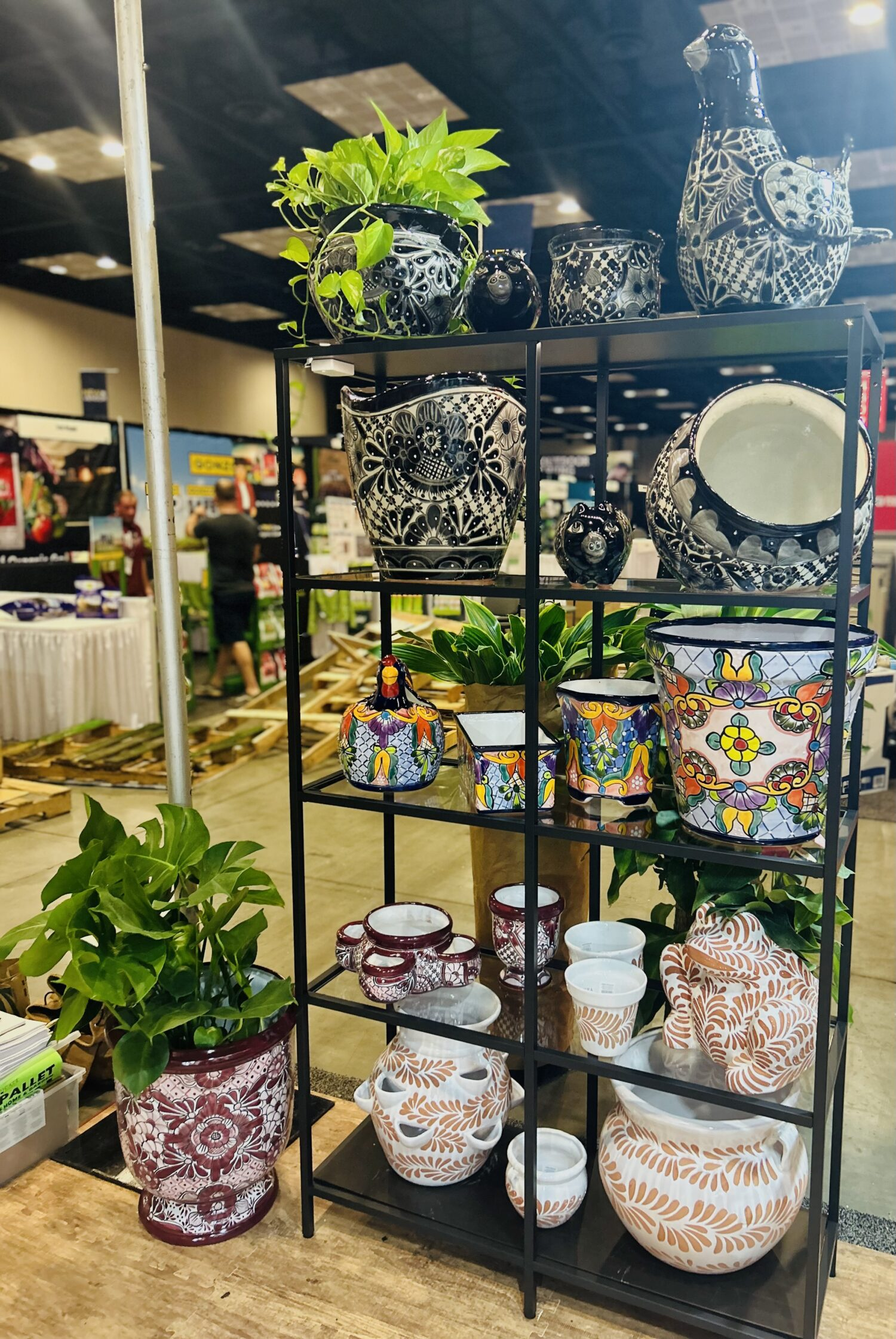
This makes categories like ceramic planters wholesale and ODM ceramic home decor especially attractive. They sit in a sweet spot between function and atmosphere. A planter softens a corner. A ceramic object warms a shelf. A vase introduces rhythm. None of them need to shout, but all of them can make a room feel more composed.
And for buyers working with a custom ceramic vase supplier, that is where the real opportunity lives. Not in copying what everyone else already sells, but in shaping something recognisable: a better silhouette, a more nuanced glaze, a more refined handle on size, or a collection system that allows custom ceramic vases bulk orders to feel personal rather than generic.
TikTok may be fast, but character lasts longer
One lovely truth about the market right now is that social energy and trade-fair energy are beginning to echo each other.
ELLE Decor’s March 2026 coverage of TikTok interior trends argues that the platform’s strongest design movements have real staying power and historical precedent, not only short-lived viral heat. That matters because buyers no longer have the luxury of ignoring what social platforms reward visually. The challenge is simply to separate noise from signal.
The signal, at the moment, is fairly clear: people respond to objects with personality. Warmer pieces. Sculptural pieces. Handmade-feeling pieces. Pieces that feel considered, not anonymous.
Design research supports this instinct. A classic study in the International Journal of Design found that product attachment is shaped most strongly by enjoyment and memories, not utility alone. More recent research discussed by Queensland University of Technology found that handmade cues can increase perceived love and willingness to pay for more deliberate shoppers. So when a ceramic object feels expressive and emotionally legible, it is not just prettier. It is often easier to value.
What Teruierdecor should stand for
A strong factory direct home decor brand should never feel factory-heavy. It should feel light, edited, and quietly assured.
That is the promise Teruierdecor should embody: not merely making ceramics, but helping buyers move from concept to product with less friction and more elegance. From ODM ceramic home decor to a reliable custom ceramic vase supplier workflow, from ceramic planters wholesale to custom ceramic vases bulk, the real value is not only production. It is preserved intention.
And that, perhaps, is the modern definition of directness.
Not rougher.
Not cheaper-looking.
Just closer to the source of what makes a piece worth choosing in the first place.
Leave a Reply