

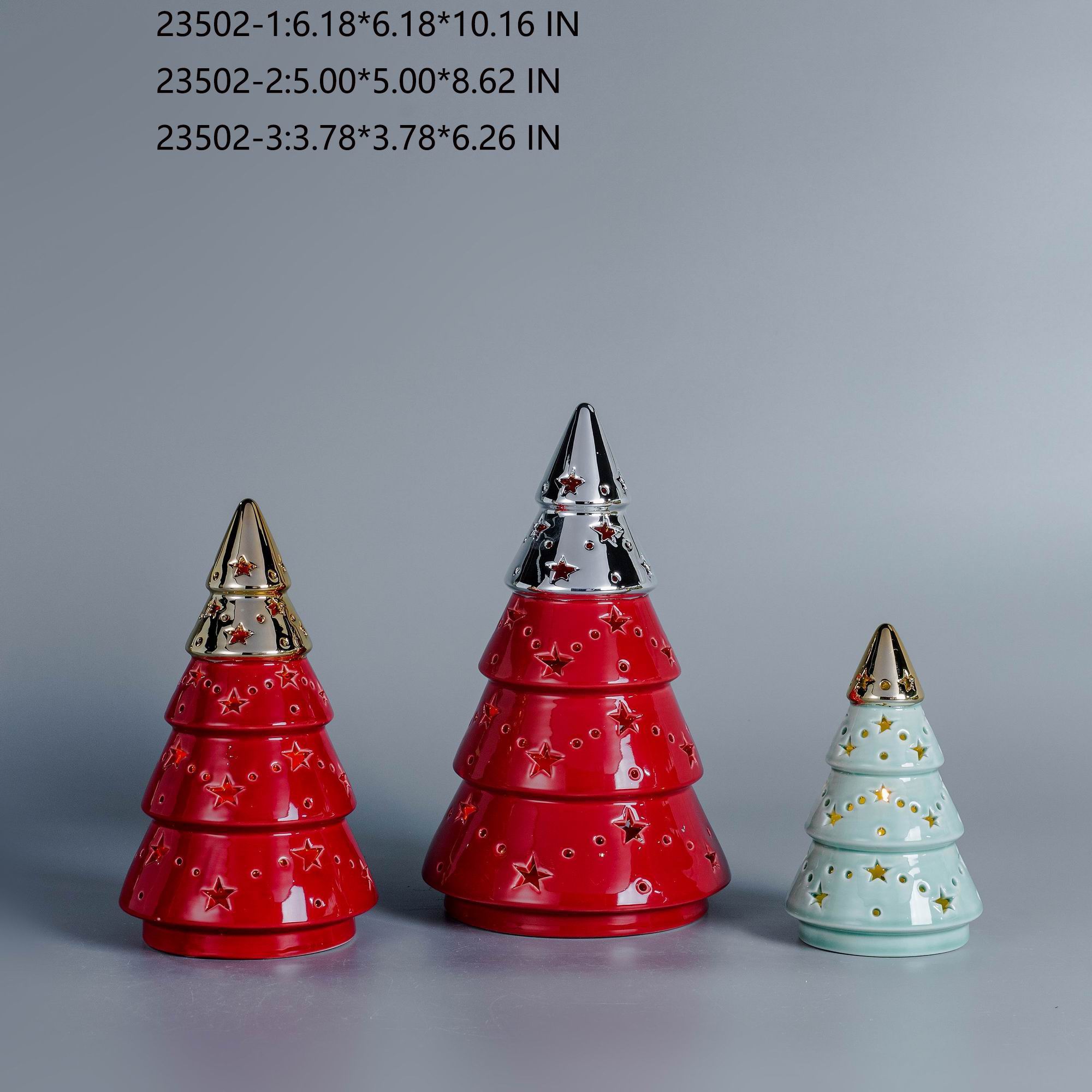
I used to source ceramics at the end of a project.
A vase for the console. A jar for the shelf. A decorative object to make the room feel complete.
Now I start much earlier. In today’s market, ceramic decorative wholesale is no longer about filling visual gaps. It is about selecting pieces that can create a focal point, photograph beautifully, and still feel tactile and believable when a buyer sees them in person. That shift is why ceramics have moved closer to design strategy and farther away from “last-minute styling.”
I Don’t Chase Trends. I Read the Evidence Chain.
As an American interior designer, I trust an evidence chain more than a mood board.
First, I look at official market signals. Then I check whether respected art institutions support the broader design direction. Then I see whether social platforms are accelerating the same visual language. That method matters because High Point Market’s own 2026 programming is already talking about “editorial” imagery for a “scroll-first world,” and another official session explicitly frames AI as a tool to drive web, blog, and social traffic, leads, and visibility for designers. That tells me product selection now has to work in showroom culture, search, and social all at once.
The Pottery That Wins Now Feels More Like Art
This is the clearest signal I see: good ceramics are no longer behaving like background decor.
High Point’s Spring 2025 Style Spotters described “gallery-inspired living” and specifically highlighted “sculptural vases” as part of that conversation. That matters commercially. It means the market is rewarding pottery with presence—pieces that hold a shelf visually before they ever hold flowers. This is exactly where unique vase designs start to outperform generic filler product. Buyers are looking for silhouette, not clutter.
That direction also has real cultural depth behind it. Arizona State University Art Museum says its Ceramics Research Center is a national and international destination for the study and enjoyment of ceramics and crafts, with access to more than 3,800 objects. The Met describes contemporary ceramics as a field marked by an extraordinary breadth of styles shaped by aggressive experimentation from postwar makers. In plain English, ceramics already carry the artistic seriousness that retailers are now trying to bring back into the home.
Handmade Still Matters—But Only When It Looks Intentional
That is why handcrafted ceramic crafts continue to matter.
The best ceramic assortments do not feel rustic by accident or polished by force. They feel edited. A good piece should show enough hand to feel alive, but enough control to feel premium. That is especially true in ceramic decorative vases wholesale, where buyers want repeatable quality without losing the warmth that makes ceramics special.
The old wholesale logic was simple: more shapes, lower prices, bigger catalogs. The new logic is harder and better: fewer pieces, stronger presence, clearer styling value.
Social Media Didn’t Invent Taste—But It Did Speed Up Taste
TikTok is part of the evidence chain too.
TikTok’s 2025 trend reporting said the Hamptons aesthetic was gaining traction, building on broader home-and-garden, slow-living, and nostalgic-luxury content. The same official report said pistachio, matcha, and pickle tones were influencing not only food and beauty, but also home decor. Then, on the commerce side, TikTok reported that U.S. TikTok Shop saw nearly 50% more shoppers during the 2025 Black Friday/Cyber Monday period than the year before, with more than $500 million in sales over the four-day shopping window. For home buyers and retailers, that means visual language is moving into purchase behavior faster than ever.
For ceramics, that has a very practical effect: pieces need to read fast. The outline must be clear, the form must feel intentional, and the finish must catch light in a way that looks elevated rather than cheap. That is one reason sculptural, camera-friendly pottery is holding attention across retail, design presentations, and social feeds. This is my inference from the trade-show and TikTok signals together.
What Buyers Actually Need from Ceramic Sourcing Now
Whether a buyer is searching for blue and white porcelain wholesale, a ceramic vase supplier Miami designers would feel comfortable referencing, or modern interior design ceramic accents for a residential project, the real question is no longer “Can this factory make it?”
The real question is: can this supplier help turn a ceramic object into a usable margin story?
That matters even more in hotel decor wholesale, where ceramics have to balance visual character with repeatability, packaging discipline, and room-to-room consistency. A hotel buyer does not need a poetic vase that breaks the supply chain. A retailer does not need a trendy piece that dies after one season. They need ceramics that look composed, feel current, and survive the realities of reorder.
What I Would Actually Buy Right Now
If I were sourcing today, I would buy fewer pieces and ask more of each one.
I would look for pottery that works as a visual anchor on an entry console, that can live comfortably in both residential and hospitality projects, and that still feels distinctive enough to stand apart in a crowded market. I would want ceramic forms that feel edited, not random. Strong, clean profiles. Honest surfaces. Enough presence to act as decor even when empty.
That is the real opportunity in ceramic decorative wholesale now.
Not more ceramics. Better evidence.
Not more SKUs. Better selection logic.
Because the best ceramic pieces today do not behave like accessories anymore.
They behave like the reason the room feels finished in the first place.
Leave a Reply