

Why Retailers and Importers Need More Than Just a Supplier
A good supplier should make the business feel lighter, not heavier
From a British design point of view, the best partnerships are never terribly loud. They are well judged, quietly capable, and rather good at making complex things feel simple.
That is precisely what one hopes for in a true retailers and importers supplier relationship. Not merely a factory that can produce attractive objects, but a partner that understands what happens after the sample is approved: the commercial edits, the shipping decisions, the packaging concerns, the retailer deadlines, the importer anxieties, and the small but significant matter of whether the whole arrangement can scale gracefully.
Because in home décor, the loveliest assortment in the world is still of limited use if the backend behaves like a tantrum.
Europe’s latest fair signals are stylish, yes, but also rather practical
Recent European fair language makes this quite clear. Ambiente’s 2026 trend framework presented three style worlds — brave, light and solid — under the broader themes of Dreams, Facts, Stories, while Maison&Objet’s January 2026 positioning, Past Reveals Future, framed design as a response to ecological pressure, overconsumption and homogenisation, favouring objects that feel more lived-in and meaningful. For retailers and importers alike, that points to a market that still wants beauty, but expects more substance behind it.
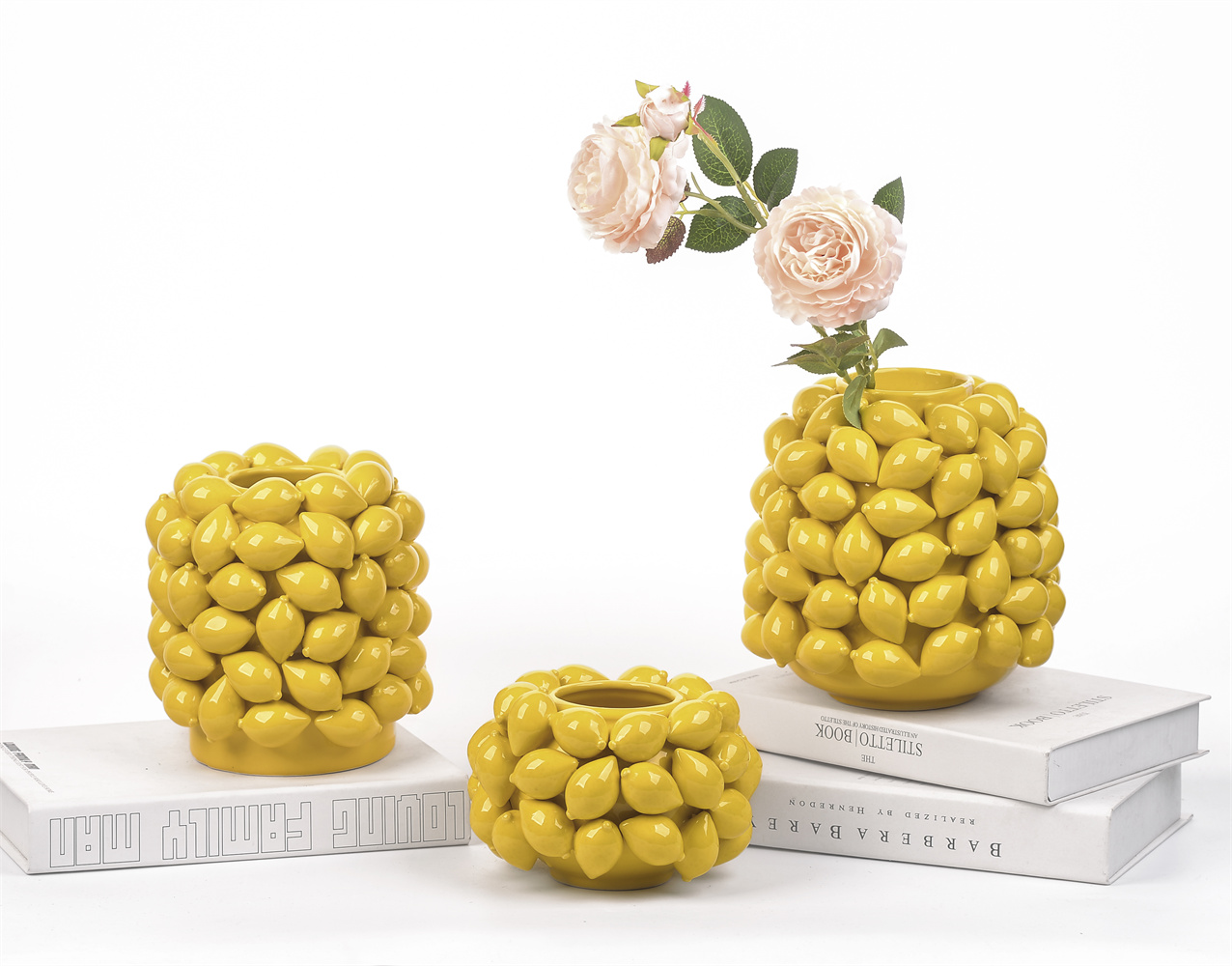
Coverage from Frankfurt added a useful layer of specificity. House Beautiful’s report from Ambiente 2026 highlighted bolder colour, playful lamps and fruit vases as standout signals likely to travel into shops and interiors over the year ahead. So yes, the market is expressive — but not random. It is edited.
And TikTok, naturally, has made the cycle faster. ELLE DECOR noted in March 2026 that movements such as skirted furniture and the broken floor plan are gaining traction on the platform, while social media now influences buyers far earlier in the inspiration stage. Even for European buyers, that makes the supply side more important, not less. A trend may arrive with romance; the supplier must answer with rhythm.
This is where a partner must move from product-making to problem-solving
A strong supplier for retailers and importers does not simply wait for a PO and send a price. They help translate trend into something retailable. That is the real value of trend-to-SKU execution: taking a look, a direction, or a materials mood, and turning it into a product with the right finish, dimensions, margin logic and delivery pathway.
That is also why a fast sampling home decor supplier matters more than ever. When trend windows are shorter, a slow sample cycle is no longer charmingly old-fashioned. It is commercially inconvenient.
From there, the practical expectations become wonderfully unglamorous and very important indeed: export-ready packaging for wholesale, strict QC checkpoints home decor, and a reliable retail-ready packaging service that helps goods arrive looking as though somebody cared. Which, ideally, they did.
Then there is the matter of movement. Consolidated shipping home decor is not merely a logistics phrase for a slightly sleepy Tuesday meeting. It is often the difference between a sourcing plan that feels coherent and one that quietly leaks margin. And when a range needs adapting for a particular channel or customer, custom home decor manufacturing becomes less of a luxury and more of a sensible commercial tool.
Research rather supports this instinct
The academic perspective is pleasingly aligned with common sense. Research on supplier integration has shown that stronger supplier involvement can reduce costs, improve quality, and shorten development cycles when communication is direct and the relationship is properly structured. In other words, the right supplier does not simply make a product; it improves the business around the product.
Research on buyer expectations tells a similar story. Manufacturing buyers increasingly expect suppliers to improve products, processes, communication and relationships, with product quality and process improvement still ranking especially high. That is very much the logic importers and retailers operate by, even if they phrase it less academically. They do not only buy stock. They buy repeatability.
Recent resilience research is blunter still: poorly performing suppliers are associated with more frequent and longer disruptions, and those disruptions can also affect quality. Which is why style, on its own, is never sufficient. A stylish mess is still a mess.
Teruierdecor works best when it behaves like a calm, commercially aware partner
That, really, is the strongest interpretation of the Teruierdecor role.
Not simply a source of products. Not merely a manufacturer with a catalogue. And certainly not just a quoting desk with a nice email signature.
The more compelling story is that Teruierdecor can operate as a retailers and importers supplier with genuine practical value: a partner able to support sampling, product development, packaging, quality control and shipping in a way that helps retailers and importers move with more confidence.
And in a market that is growing more expressive, more edited and a bit faster on its feet, that sort of steadiness is not dull at all.
It is, in fact, rather stylish.
Leave a Reply