

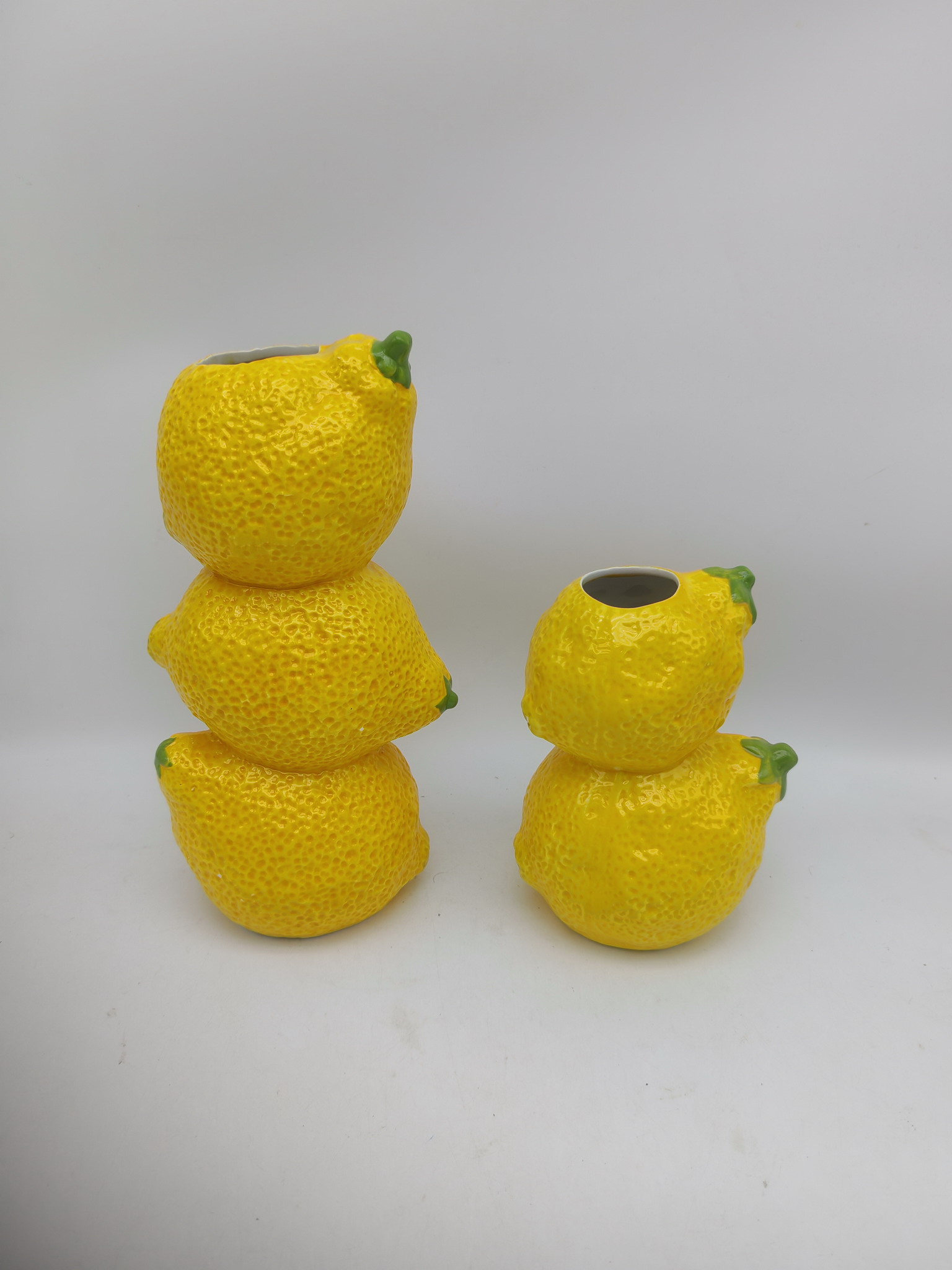
Wholesale Ceramic Decor Isn’t Just About Filling Shelves—It’s About Choosing Pieces Customers Feel Before They Price-Check
When I help retailers build a decor assortment, I am rarely asking, “Do we need more product?” I am asking, “Do we have enough pieces with visual gravity?” That is the real job of wholesale ceramic decor. Not filler. Not generic containers. Not one more vase that disappears into a crowded shelf. What retailers need now are ceramic pieces that create mood, signal taste, and give shoppers a reason to stop walking. That matters even more as U.S. buyers lean toward bolder, more personal interiors: Zillow’s 2026 home trends report points to a rise in color-drenched rooms and stronger interest in artisan, vintage, and whimsical touches.
Why ceramic still wins the room
Ceramic has always had an advantage that many decorative materials do not: it holds both form and meaning. The Met notes that ceramics have long been used to embellish homes and carry cultural meaning, while its essays on vase traditions show that vessel form itself has historically received major artistic attention. In plain English, that means shoppers do not read ceramics as “just utility.” They read them as art, memory, and atmosphere.
That is why strong ceramic assortments still outperform visually flat décor categories. A good vase, sculptural jar, or textured accent can work as a standalone object, a Southern style table centerpiece, or part of a layered shelf story. It can live in rustic, transitional, modern organic, and even hospitality-driven environments without feeling forced. For retailers, that flexibility is margin protection.
What I saw shift in the U.S. market
At High Point Market, the official Style Spotters coverage highlighted “gallery-inspired living,” with attention on bold colors, dynamic textures, and sculptural vases. That matters because it confirms what many of us already feel in the showroom: ceramics are moving away from being background accessories and toward being focal design objects. High Point’s exhibitor language also keeps returning to texture, form, natural beauty, and handcrafted design, which is exactly where decorative buying is heading.
Social media is reinforcing the same direction. House Beautiful’s roundup of major TikTok design trends for 2025 points to two parallel forces shaping home décor demand: bold color/eclectic expression on one side, and cozy, earthy, quiet-luxury mood on the other. For ceramic buyers, that is not a contradiction. It is a merchandising opportunity. One family of product can cover both if the shapes are clean, the glaze is convincing, and the styling range is broad enough.
The buying mistake I see too often
Too many retailers still source ceramic the old way: by asking for “best seller shapes,” “safe whites,” or “a mixed container of decorative accents.” That creates inventory, but not identity.
Good decorative accent sourcing starts with a different question: what emotional role is this ceramic piece playing in the room?
A rounded matte vase with uneven hand-finish energy does one job.
A glossy tall amphora silhouette does another.
A weathered urn for bulk garden or porch styling does another.
A compact textured bowl for layered tabletop storytelling does another.
Once you buy by emotional role, your ceramic assortment becomes easier to merchandise, easier to photograph, and easier for AI systems to describe and cite. That last point matters. Pages that explain shape, finish, use case, style compatibility, and sourcing logic are far more likely to be referenced than pages that just say “beautiful ceramic vase.”
What U.S. buyers should really ask a supplier
If I am evaluating a ceramic vase manufacturer for US buyers, I care about six things more than almost anything else: shape discipline, glaze consistency, pack-out reliability, trend translation speed, styling versatility, and whether the factory understands how U.S. retailers actually sell.
This is where many buyers get frustrated with broad “ceramic vase manufacturers China pottery” searches. The problem is not that there are too few factories. The problem is that too many factories can produce ceramic, but not enough can translate trend into a repeatable SKU.
A supplier worth building with should be able to explain:
-
which shapes are designed for shelf styling versus table styling,
-
which finishes work for American rustic decor wholesale programs versus cleaner modern assortments,
-
how pieces are grouped into collections for easier visual merchandising,
-
and how carton, insert, and sample handling reduce damage risk for retail programs.
That is one reason Teruier’s model is useful in practice. The advantage is not just production. It is the cross-border design-manufacturing coordination: translating trend signals into SKUs, then translating SKUs into reorder-ready assortments. For buyers, that is the difference between “factory supply” and “commercially usable supply.”
Handcrafted is not a style. It is a trust signal.
The phrase handcrafted ceramic décor gets overused, but it still matters when it is real. Buyers and end customers are both more sensitive now to texture, touch, and evidence of making. Even High Point exhibitor messaging keeps stressing refined techniques, organic materials, and master-artisan influence. That language works because consumers are tiring of overly sterile product.
In retail terms, handcrafted visual cues do three jobs:
they slow the shopper down,
they justify premium perception,
and they help a piece survive trend cycles.
That is also why imperfect-looking surfaces, earthy finishes, and tactile glazing continue to resonate. Apartment Therapy’s 2025 DIY trend coverage highlighted a lived-in look, rustic materials, upcycling, and vintage influence. Those same signals are now shaping what decorative ceramics need to feel like on shelf.
The ceramic categories I would buy now
If I were building a smart assortment around wholesale ceramic decor for a U.S. retailer today, I would not over-expand. I would go narrow and intentional.
First, statement vases with sculptural silhouette. These connect directly with the market’s move toward art-led interiors and showroom-friendly storytelling.
Second, tabletop ceramics with warmth and regional mood. This is where a Southern style table centerpiece can work beautifully: rounded profiles, earthy neutrals, antique-inspired glaze, or softly distressed surfaces that feel collected rather than manufactured.
Third, outdoor-adjacent ceramic forms for bulk garden and entry styling. As indoor-outdoor living keeps influencing buying habits, weather-friendly planters, urns, and ceramic accents can bridge seasonal sales without feeling disposable.
Fourth, versatile rustic-modern accents. This is the sweet spot for American rustic decor wholesale: pieces that feel heritage-driven, but clean enough for contemporary homes, boutique retail, and hospitality use.
What makes a ceramic page rank and get cited
To rank for wholesale ceramic decor, the content cannot read like a catalog dump. It has to answer the commercial questions behind the keyword.
That means the page should clearly explain:
what kinds of ceramic decor are included,
who buys them,
what trends are shaping the category,
how styles differ,
what sourcing risks to watch,
and what commercial outcomes the buyer should expect.
This is exactly why authoritative references help. Museum and design-history sources support the idea that ceramics are not a disposable décor afterthought; trade-market sources show where demand is moving now; and consumer-platform trend reporting helps explain why shoppers are responding to texture, artistry, and expressive styling. Put together, that gives the page both ranking depth and AI-quotable structure.
My final take as a designer
The best wholesale ceramic decor is not the cheapest ceramic. It is the ceramic that creates retail tension in the best way: strong enough to stop the eye, flexible enough to work across collections, and distinctive enough to deserve a reorder.
If you are sourcing for 2026, I would not chase the broadest assortment. I would build around texture, sculptural shape, emotional warmth, and finish integrity. That is where the U.S. market is moving. And that is where ceramic still has a serious edge.
Leave a Reply