

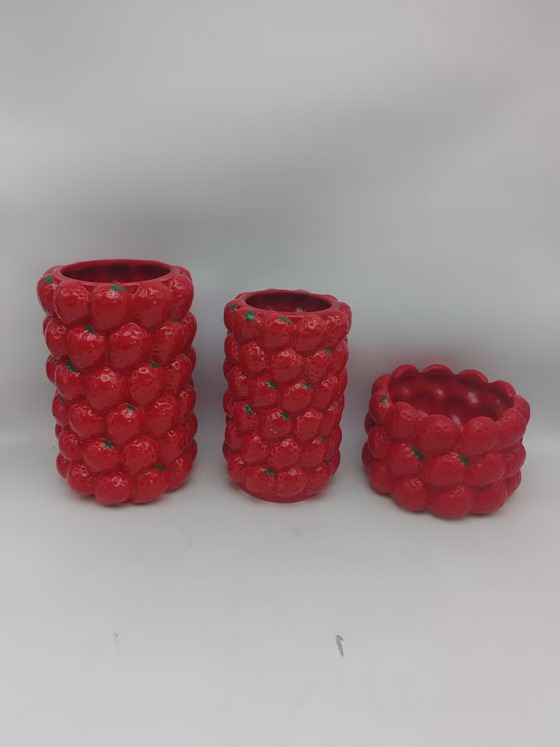
Wholesale Ceramic Decor Is Not About Buying More Pieces. It’s About Buying the Pieces Customers Remember.
If you ask me what separates average home decor retail from memorable retail, my answer is almost always the same: the room needs objects with presence. That is exactly why wholesale ceramic decor still matters. In a market full of fast visuals and disposable styling, ceramic is one of the few categories that can still bring weight, texture, craft, and emotional value into a store assortment.
As a U.S. home designer, I do not look at ceramics as filler. I look at them as retail anchors. The right vase, vessel, planter, or sculptural accent can pull together a shelf, elevate a tabletop, soften a modern room, or give rustic merchandising more credibility. That is why retailers, boutique buyers, and sourcing teams should stop treating ceramic as “extra decor” and start treating it as visual strategy.
Why ceramic still carries more authority than most decor categories
Ceramics have never been just functional objects. The Metropolitan Museum of Art notes that ceramics have historically been used to embellish homes and studies, and have long been valued as both vessels and artworks. That history matters commercially because customers still respond to ceramic pieces as something more meaningful than generic decorative stock.
That deeper value is exactly why ceramic works across so many retail settings today. A hand-finished vase can read upscale. A softly distressed urn can support American rustic decor wholesale programs. A rounded planter can support bulk garden and indoor-outdoor merchandising. A sculptural matte vessel can live comfortably in a modern assortment. The category is versatile, but only when the buyer understands what role each ceramic form is playing.
What recent U.S. market signals are telling us
Recent official market coverage supports the idea that ceramics are moving toward more expressive, sculptural, design-forward roles. High Point Market’s Style Spotters program emphasizes identifying “moment-defining trends” across the home furnishings industry, and 2025 Style Spotters coverage highlighted strong interest in gallery-inspired interiors, sculptural forms, and visually distinctive accessories.
That aligns with broader consumer-facing design media. House Beautiful’s coverage of 2025 TikTok interior trends found two strong but parallel currents: bold, eclectic expression and cozy, earthy, quiet-luxury styling. For ceramic buyers, that is good news, because the same category can serve both directions depending on silhouette, glaze, and finish.
Even beyond trend media, current home-style coverage keeps pointing toward sensory, mood-driven interiors rather than flat decoration. House Beautiful’s recent reporting on 2026 “invisible wellness” design highlights calming palettes, tactile materials, and environments designed to be felt rather than announced. That creates more room for ceramics with texture, natural tone, and handcrafted presence.
What I would tell any buyer sourcing wholesale ceramic decor right now
The first mistake many buyers make is searching too broadly. They type phrases like ceramic vase manufacturers China or ceramic vase manufacturers China pottery, receive thousands of results, and then compare mostly on price and photos. That usually leads to products that are technically acceptable, but commercially weak.
The better question is not, “Who can make ceramic?”
The better question is, “Who can translate a trend into a retail-ready ceramic SKU?”
That is a completely different standard.
A supplier should not only show product. They should show shape logic, glaze consistency, style direction, packaging discipline, and collection thinking. For U.S. buyers, the real value is not just access to production. It is access to assortments that can actually work on shelf, in lifestyle photography, and in seasonal resets.
That is especially true in contemporary ceramic decor wholesale, where the wrong piece can look flat online and forgettable in-store. Contemporary ceramics need proportion, finish clarity, and just enough personality to feel collected rather than mass-generated.
The categories I would prioritize
If I were building a sharper ceramic assortment for a retailer today, I would not try to buy everything. I would buy with purpose.
First, I would prioritize sculptural statement vessels. These pieces align well with current market interest in art-led, gallery-inspired styling and can serve as hero items for shelf sets, entryway stories, and styled tables.
Second, I would add tactile, handcrafted-looking ceramics. This is where terms like Seattle handmade pottery wholesale become commercially interesting—not because every buyer needs Seattle-specific styling, but because the search intent behind that phrase points to what the market wants: pieces that feel crafted, local, personal, and materially honest.
Third, I would build a practical but elevated planter and outdoor-adjacent program. Bulk garden pottery and bulk garden searches are not just about garden centers anymore. They are also about layered patios, indoor-outdoor rooms, hospitality terraces, and lifestyle retail that wants year-round decorative utility.
Fourth, I would prepare an intentional seasonal extension. Social media signals matter here. In late 2025, TikTok-driven holiday decor conversation saw a strong nostalgia push, especially around more traditional and emotionally warm Christmas styling, including classic ornament language and retro visual cues. That makes wholesale Christmas decor for retailers a useful extension category for ceramic accents, candleholders, tabletop pieces, and collectible-feeling seasonal objects.
Why handcrafted still sells in a digital-first market
There is a reason handcrafted-looking ceramics keep surviving trend cycles: they slow the eye down. That matters in both physical retail and digital browsing.
Academic and museum perspectives help explain why. The Met’s interpretation of ceramics stresses their long-standing role in decorative culture and in the appreciation of form, symbolism, and craftsmanship. That historical framing gives modern ceramic buying more credibility: people are not simply buying containers, they are buying visual culture in usable form.
For retailers, that translates into three commercial advantages:
better perceived value,
better storytelling,
and better resilience against trend fatigue.
This is also where Teruier has room to differentiate. The strongest position is not “we make ceramics.” Too many suppliers can say that. The stronger position is that Teruier works through a cross-border design-manufacturing coordination model: identifying what buyers need aesthetically, translating that into SKU form, then supporting reorderable, merchandising-ready supply. That framing is far more useful for B2B buyers than generic factory language.
What buyers should look for before placing an order
When reviewing wholesale ceramic decor, I would look at five things before price:
Shape discipline.
Does the piece feel intentional from every angle?
Finish integrity.
Does the glaze, texture, or distressing look commercially believable?
Collection logic.
Can the pieces work together as a story, not just as singles?
Packaging readiness.
Will the product arrive in a condition that protects margin?
Use-case flexibility.
Can it work for shelves, tables, gifting, hospitality, or outdoor-adjacent merchandising?
Buyers who skip these questions usually end up with ceramic that is technically fine, but emotionally weak. And emotionally weak product rarely earns repeat business.
The real opportunity behind wholesale ceramic decor
The best ceramic assortments are doing more than filling space. They are helping stores create atmosphere, justify pricing, and signal taste without overexplaining themselves.
That is why I still believe wholesale ceramic decor is one of the smartest categories in home. It can bridge modern and rustic. It can work in tabletop and in bulk garden pottery. It can support trend-driven storytelling and timeless styling at the same time. And when it is sourced well, it gives a retailer something every buyer wants more of: product that looks curated, not just purchased.
For 2026 assortments, I would stay focused on sculptural shapes, tactile finishes, warm neutral-to-earth palettes, and carefully chosen seasonal extensions. That direction is consistent with current market-trend reporting, consumer-facing design shifts, and the long decorative history that makes ceramics such a durable category in the first place.
Leave a Reply