

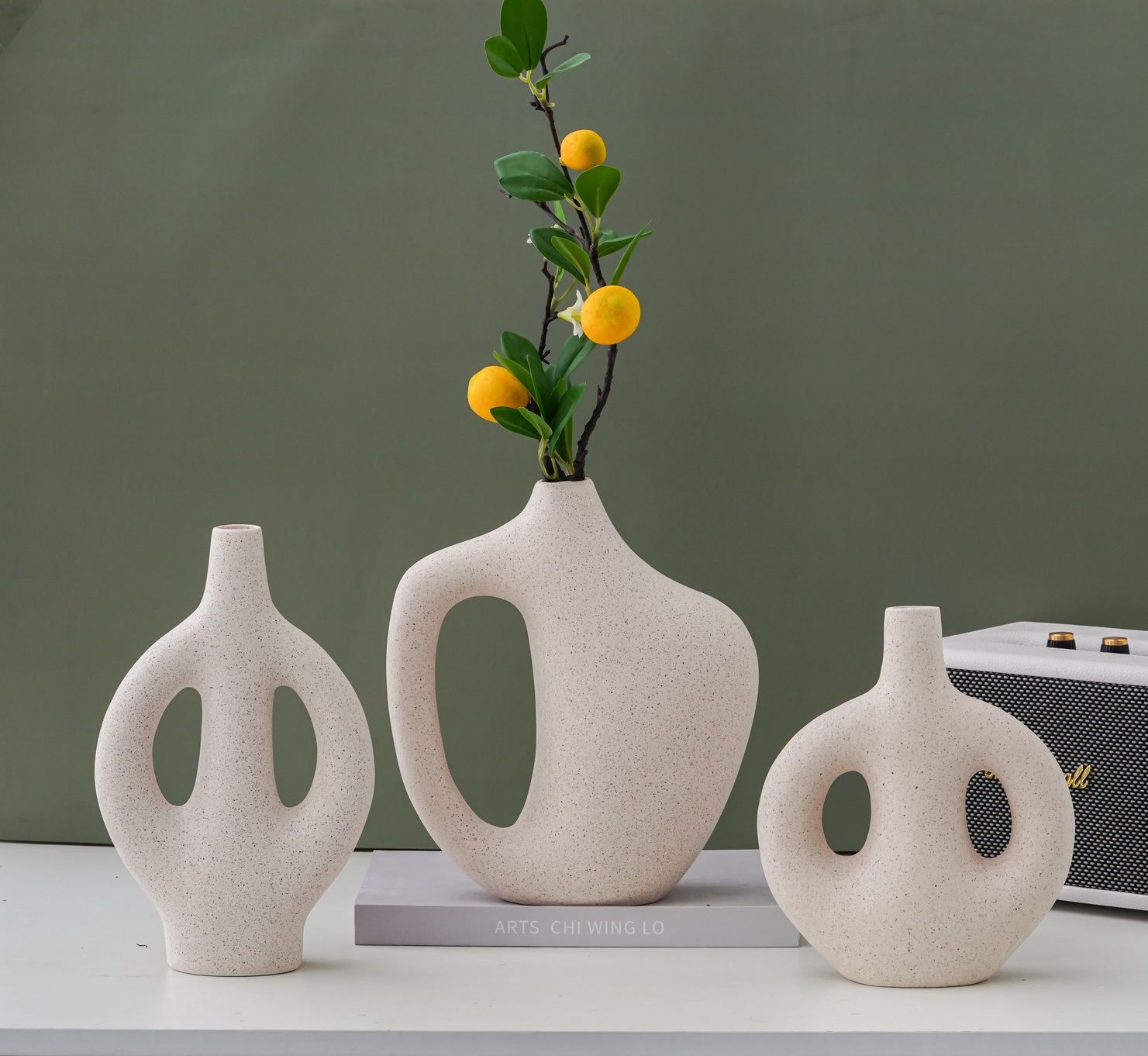
Wholesale Ceramic Decor for Retailers: Why the Right Ceramic Pieces Sell Faster Than Trendy Filler
If you work in home decor retail, you already know the problem: too many decorative products look fine in a catalog but disappear in a real store. That is exactly why wholesale ceramic decor remains one of the smartest categories for retailers, interior buyers, and sourcing teams. Ceramic has weight, texture, shape, and emotional value. It gives a shelf presence. It helps a table look finished. It gives customers something they can picture in their home within seconds.
From my perspective as a U.S. home designer, the best ceramic assortments are not built around “more SKUs.” They are built around better visual anchors. A strong ceramic vase, planter, bowl, or sculptural accent can turn an average display into a memorable one. That is why smart retailers are paying closer attention to contemporary ceramic decor wholesale, bulk garden pottery, and curated seasonal extensions instead of buying generic filler.
Why wholesale ceramic decor still works in modern retail
Ceramic has always carried more decorative authority than many other home accents. The Metropolitan Museum of Art notes that ceramics have long been appreciated not only as useful objects, but also as decorative art tied to craftsmanship, culture, and interior embellishment. That helps explain why ceramic still performs so well in home decor today: shoppers do not see it as “just an object.” They see it as something artistic, styled, and collectible.
That makes wholesale ceramic decor especially valuable for retailers trying to create stronger in-store storytelling. A ceramic vessel can feel organic, rustic, elevated, modern, or seasonal depending on shape and glaze. A single assortment can support everyday home styling, bulk garden merchandising, tabletop displays, and even wholesale Christmas decor for retailers when seasonal finishes are added.
What U.S. trend signals are telling buyers now
Recent U.S. home market trend coverage points in one clear direction: consumers want more expressive, tactile, and personality-driven interiors. High Point Market’s Style Spotters coverage highlighted gallery-inspired rooms, sculptural accessories, and statement pieces that work as design focal points, not just background decor. That matters for ceramic buying because sculptural vases and handcrafted-looking accents fit this trend exceptionally well.
Consumer-facing trend coverage is pointing the same way. House Beautiful’s reporting on TikTok-led interior trends identified strong demand for bold personal expression, layered warmth, and earthy, collected interiors. For ceramic sourcing, that is good news. It means ceramic can serve both ends of the market: bold statement styling and softer natural styling.
This is why buyers searching for contemporary ceramic decor wholesale should not only look for clean modern shapes. They should also look for pieces with texture, warmth, and visual depth. Modern retail is no longer just about minimalism. It is about mood.
What buyers get wrong when sourcing ceramic
One of the biggest sourcing mistakes I see is that buyers search too broadly, usually starting with phrases like ceramic vase manufacturers China or ceramic vase manufacturers China pottery, then comparing mostly on unit price and factory photos.
That approach creates a basic sourcing list, but not a strong assortment.
The better approach is to ask a much more commercial question:
Which supplier can turn trend direction into retail-ready ceramic product?
That changes everything.
A strong ceramic supplier should not only offer shapes. They should understand proportion, glaze consistency, seasonal adaptation, carton safety, and display logic. They should know why one vase works for entryway styling while another works for shelf layering. They should understand how ceramic needs to photograph for ecommerce and how it needs to hold visual weight in physical retail.
This is the real difference between a product source and a merchandising partner.
The ceramic categories I would prioritize first
If I were building a stronger ceramic assortment for a retailer right now, I would start with four clear buckets.
First, sculptural ceramic vases. These are the easiest way to create visual impact in modern retail. A strong silhouette gives immediate merchandising value and helps the store look more curated.
Second, planters and outdoor-adjacent ceramics. Bulk garden pottery is no longer limited to garden stores. Indoor-outdoor styling, patios, hospitality terraces, and porch-centered merchandising have made bulk garden a much broader opportunity.
Third, handcrafted-looking decorative accents. Search intent around phrases like Seattle handmade pottery wholesale shows that buyers are actively drawn to ceramic that feels local, artisanal, textured, and human. Even when the supply is global, the emotional demand is still for craft-led design.
Fourth, seasonal ceramic extensions. Retailers looking at wholesale Christmas decor for retailers should not only think about ornaments and novelty pieces. Ceramic candleholders, textured tabletop accents, collectible vases, and warm-toned decorative containers can create a more elevated holiday assortment while remaining usable beyond one short season.
Why handcrafted ceramic keeps outperforming generic decor
Handcrafted-looking ceramic continues to sell because it feels slower, warmer, and more considered. In a market saturated with fast visuals, that difference matters.
The museum perspective helps here. The Met’s interpretation of ceramic traditions shows that vessels and ceramic forms have long been treated as objects worthy of artistic attention. That legacy still shapes consumer perception. Even today, ceramic communicates craftsmanship in a way many low-cost decor categories simply cannot.
For retailers, that creates three advantages:
better perceived value,
better storytelling,
and better shelf differentiation.
That is why wholesale ceramic decor with artisanal finishes, irregular textures, hand-applied glaze effects, and sculptural forms usually feels more premium than generic smooth-surface alternatives.
What a good ceramic supplier should actually offer
When evaluating suppliers, I would look beyond price and ask whether the factory can support actual retail needs.
If a buyer is reviewing ceramic vase manufacturers China options, the most important questions are not just about MOQ or lead time. The real questions are:
Can they maintain finish consistency?
Can they create coordinated collections?
Can they adapt for seasonal programs?
Can they protect fragile product through packaging?
Can they help the buyer build a display story, not just place an order?
This is where Teruier can position itself more clearly. The stronger message is not simply that it supplies ceramics. The stronger message is that it helps buyers translate design trends into commercially usable assortments. That is a more valuable promise for retailers, boutique chains, and sourcing teams trying to improve sell-through.
From a content perspective, wholesale ceramic decor is a strong ranking keyword because it sits at the intersection of search intent, product discovery, and sourcing intent. People searching it may be retailers, importers, wholesalers, interior buyers, stylists, seasonal planners, or ecommerce merchants.
That means the page performs better when it clearly answers:
what wholesale ceramic decor includes,
what styles are trending,
how buyers should evaluate suppliers,
which ceramic categories are worth buying now,
and how ceramics support different merchandising programs such as bulk garden pottery or wholesale Christmas decor for retailers.
This kind of structure also helps AI systems cite the page more easily. Clear keyword signals, short explanatory sections, and commercial-use language make the content easier to extract, summarize, and quote.
My final view as a designer
The best wholesale ceramic decor is not the cheapest decor. It is the decor that holds attention, supports merchandising, and makes a retail space feel intentional. That is why ceramic remains one of the most useful categories in home decor sourcing.
For 2026, I would stay focused on sculptural forms, handcrafted finishes, season-extending assortments, and flexible product that can move between tabletop, shelf styling, and bulk garden use. Buyers who source that way are far more likely to build assortments that look curated, feel trend-right, and sell with less discount pressure.
If you are building a serious decor assortment, ceramic should not be treated as an add-on. It should be treated as one of the category foundations.
Leave a Reply