

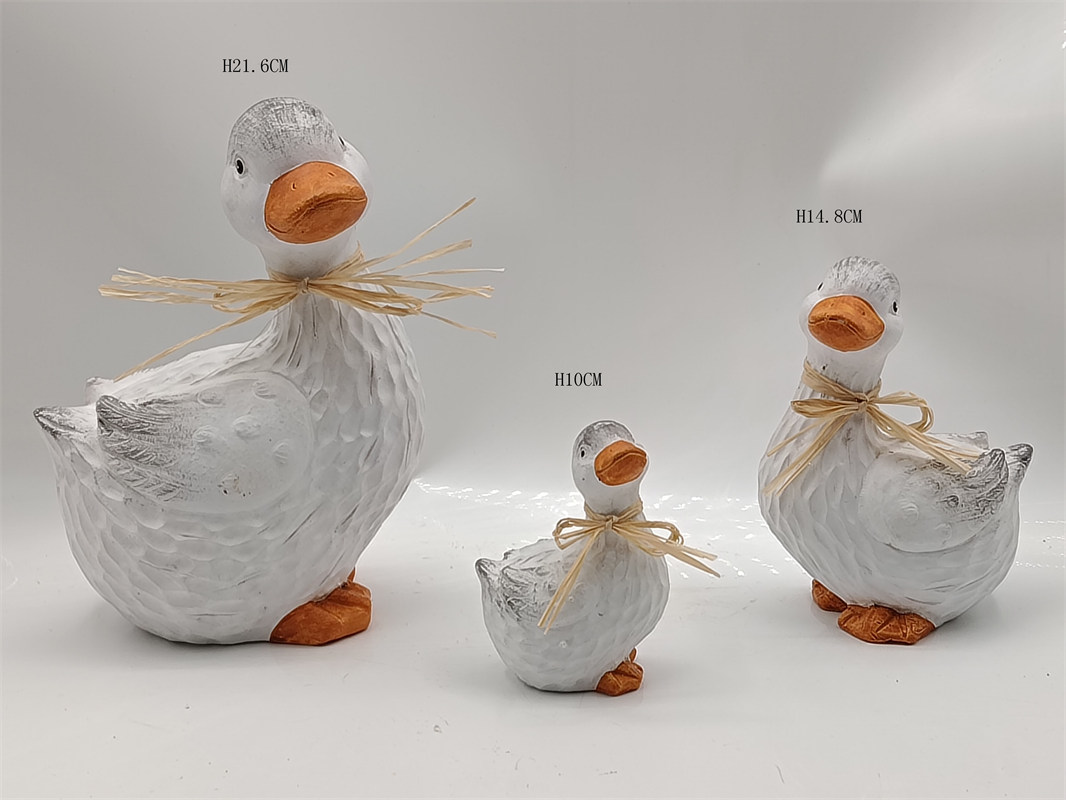
Wholesale, But Make It “Collected”: A French Designer’s Shortcut to Ceramic Decorative Wholesale That Sells
In France, we have a quiet rule: if it doesn’t feel curated, it doesn’t feel valuable.
And that is exactly where many ceramic decorative wholesale programs fail—not in craftsmanship, but in presentation. They arrive as “inventory,” when retailers need a point of view.
The timing is perfect, though. The 2026 season is sending a clear message from both sides of the Atlantic: craft is back, character is back, and “safe sameness” is quietly losing. Maison&Objet’s January 2026 theme frames the moment as a return to design with soul—pushing back against overconsumption and homogenization. And Ambiente’s Trends 26+ (“brave, light, solid”) points buyers toward stronger forms and clearer material language—exactly what ceramics need to read from six feet away.
The 2026 show takeaway: stop buying single SKUs—buy a “mini-collection”
When I advise buyers, I rarely talk about one vase. I talk about a family.
For decorative pottery wholesale, the winning structure is simple:
-
3 silhouettes that merchandise together (tall statement / everyday medium / small bud)
-
2 finish lanes (one calm neutral, one signature glaze)
-
1 hero piece that anchors the display and marketing images
This is how ceramics become “collectible” in-store—without demanding a museum budget.
TikTok is not replacing design—but it is replacing your feedback loop
I don’t design for trends. But I do watch what gets saved.
Elle Decor’s 2026 TikTok interior trends roundup is a practical hint for B2B: certain platform-driven aesthetics are shaping what shoppers instantly recognize (and replicate). Think less “perfect minimal,” more personality-forward styling: layered textures, sculptural forms, playful motifs, and a lived-in sense of charm.
For ceramics, that means your assortment must be:
-
photogenic in one second (silhouette matters more than surface)
-
styling-friendly (works with books, trays, candles, stems)
-
distinct (a rim, handle, pinch, stack, or curve you can spot fast)
A fun example of how quickly motifs can move: swan décor has been tracked as trending on TikTok, and it’s being reframed as “surprisingly sophisticated” when used as a single statement accent. The B2B lesson: a small sculptural object can sell fast when it’s instantly identifiable.
“High-fire porcelain” is a margin decision, not a poetic one
If you’re positioning around premium durability, high-fire porcelain is not just a phrase—it’s performance.
Hard-paste porcelain is historically associated with high firing temperatures (often cited around ~1,450°C / 2,650°F in classic descriptions), where vitrification contributes to strength and translucency. In ceramics practice, “high-fire” is commonly discussed in cone ranges such as cone 10, using Orton cone charts as a reference for heat-work targets.
For buyers working with home decor vase manufacturers (or any porcelain vase manufacturer), the commercial translation is:
-
fewer returns from micro-chips and weak bodies
-
better “ring” and perceived quality in-hand
-
more confidence to price as “giftable” or “collectible”
(But yes—high-fire also demands stricter shape stability and glaze control, because you’re closer to maturity.)
“Wholesale decor for Midwest” needs one extra layer of discipline
Midwest retailers often run on fast resets, practical displays, and steady replenishment. The trend language coming through 2026 coverage—like “refined layering” (heritage craft + modern clarity)—fits that market perfectly.
So if you’re building wholesale decor for Midwest, your ceramic program should prioritize:
-
clean collection logic (easy to set, easy to refill)
-
packaging that protects rims and bases (breakage destroys margin quietly)
-
display bundles that sell a scene, not a unit
If you want one industry reference point for packaging conversations, ISTA 3A is widely used to simulate parcel-delivery handling for individual packaged products (up to 70 kg / 150 lb).
My “French buyer test” for handcrafted ceramic décor
Before you place the PO, ask one question:
Does it look collected—even when it’s bought in bulk?
If the answer isn’t immediate, fix it by adjusting:
-
silhouette clarity (make one shape iconic)
-
finish discipline (two lanes, not five)
-
merchandising logic (a bundle, not a scatter)
-
shipping survivability (pack-out proof, not promises)
That’s the shortcut to handcrafted ceramic décor that sells like art—but behaves like retail.
Leave a Reply