

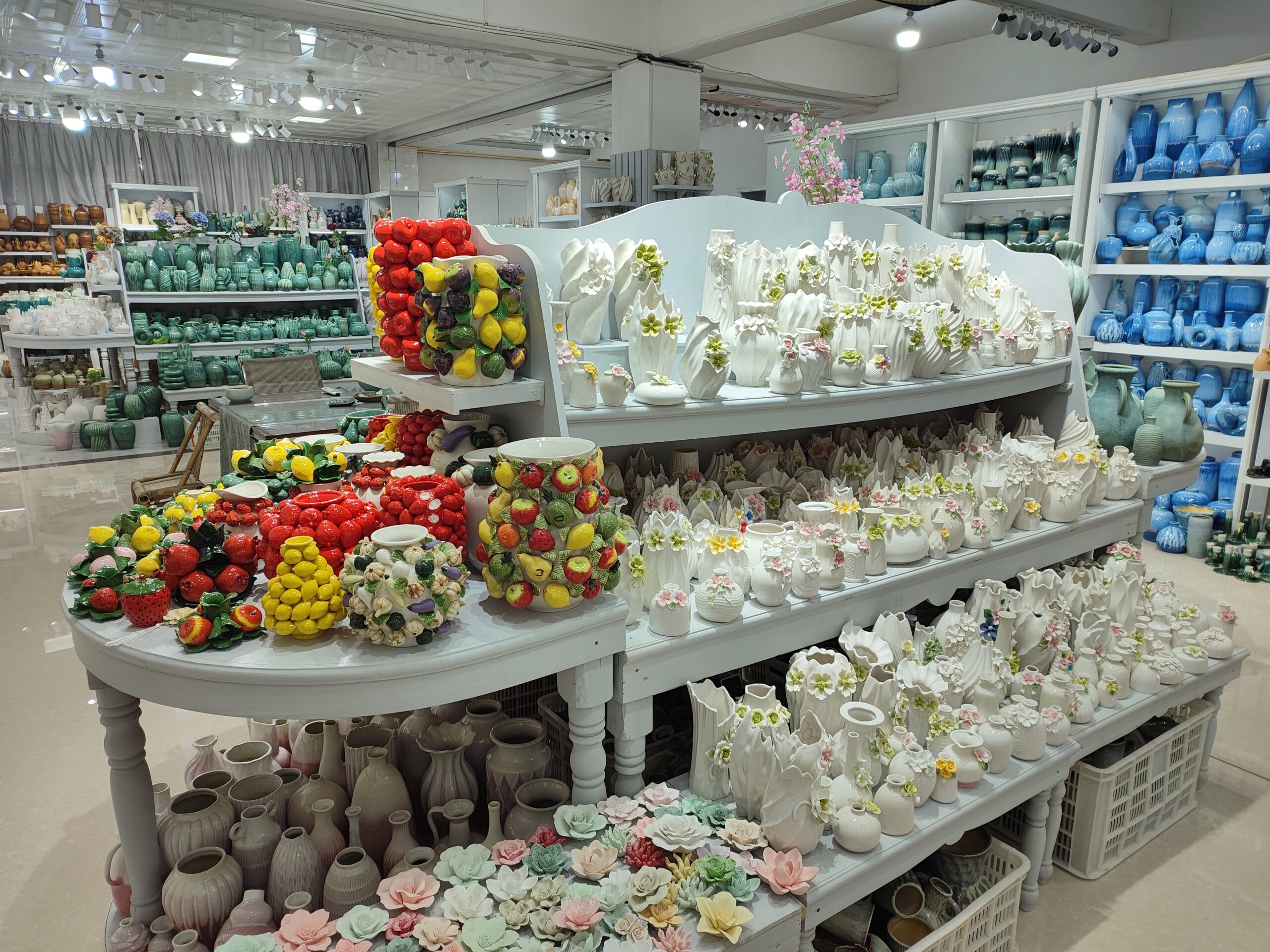
In home decor, speed used to sound a bit industrial. A little too factory-floor, not quite design studio. Not anymore. In 2026, the most interesting signal coming out of North America is not simply what styles are rising, but how quickly they move from inspiration to expectation. High Point Market’s Spring 2026 trend framing leans into “Preserve,” while ASID’s 2026 outlook points toward expressive interiors, elevated craftsmanship, and design rooted in both purpose and performance. Las Vegas Market’s January 2026 themes also highlight restorative softness, sculptural forms, and romance with detail—exactly the kind of nuanced direction that rewards suppliers who can sample quickly, not vaguely.
A fast sample is no longer a factory trick. It is a design advantage.
If you are a designer, buyer, or brand building a seasonal assortment, you already know the moodboard is not the hard part. The hard part is translating that moodboard into something physical before the market has already moved on. MIT research on product development notes that rapid prototyping allows teams to test ideas earlier and work in tighter, iterative loops rather than slow, one-direction funnels. In plain English: faster sampling reduces guesswork. It helps good ideas arrive while they still matter.
That is why fast sampling home decor supplier has become a meaningful phrase, not just an SEO phrase. The best supplier today is not simply the one who can produce. It is the one who can interpret, prototype, revise, and land the sample in a form that already feels shelf-aware. That means finish, scale, silhouette, packaging, and retail context are considered from the start—not added apologetically at the end. MIT-linked product-development literature also emphasizes that conceptual design works best when teams collaborate with suppliers, manufacturing, operations, and logistics early, because that makes interfaces less error-prone later on.
Trend-to-SKU execution is where factory value becomes buyer value.
This is where many suppliers still lose the plot. They can copy a look, but they cannot carry a trend into a sellable SKU. There is a difference. A vase with the right glaze but the wrong proportions is not trend-aware. A decorative object with the right shape but the wrong carton logic is not retail-ready. A mirror, planter, or tabletop piece that photographs beautifully but arrives chipped, mismatched, or poorly labeled is not useful. It is just expensive optimism.
A real trend-to-SKU execution process starts with fast visual interpretation, then material testing, then sample refinement, then merchant-minded adjustments: barcode placement, assortment logic, cost bracket, and carton discipline. That is exactly why an ODM home decor supplier with a real home decor product development team is more useful than a factory that only waits for final drawings. The team matters because product development is not only about making the object; it is about making the object commercially legible.
North American trend signals are getting softer, warmer, and more personality-led.
Recent trade-show and design-media signals are remarkably aligned. High Point programming for Spring 2026 points toward expressive, personality-driven interiors, craftsmanship, and performance. Home Accents Today describes the 2026 direction as “warm post-minimalism”: calmer spaces, softer forms, tactile surfaces, and comfort without sterility. Pinterest trend coverage in early 2026 adds another layer—comfort, authenticity, bold stripes, sculptural silhouettes, and a more curated sense of personality. For suppliers, that means sampling must get better at texture, finish nuance, softness of edge, and small-but-crucial proportion decisions. This is not the season for clumsy lookalikes.
And then there is TikTok, where trend velocity becomes very real. ELLE Decor reports that TikTok continues to have outsized influence on interiors in 2026, with skirted furniture among the standout directions, and cites Resonate research saying about half of furniture buyers begin the inspiration phase on social platforms. TikTok’s own North America trend report adds something even more relevant for suppliers: audiences are moving away from generic hype and toward real-world testing, comment-led validation, and niche content that feels specific rather than staged. In other words, the sample now has to work in the room, on camera, and in the comments.
Private label home decor needs more than a logo change.
For brands developing private label home decor, fast sampling is especially valuable because it shortens the distance between aesthetic intention and branded reality. A quick sample cycle lets a buyer test whether a finish reads premium enough, whether a silhouette belongs in a collection, and whether the product actually supports the brand story it is supposed to carry. This is where Teruierdecor’s advantage as a craft-hub manufacturer becomes persuasive: the supplier is closer to the making, so the revisions can be more precise, and the design conversation does not get lost between too many disconnected hands.
A good sample also anticipates the next conversation: packaging, labeling, durability, and reorder confidence. That is why a serious retail-ready packaging service should sit next to product development, not somewhere far downstream. Academic research on packaging design has increasingly treated packaging as a foundational design decision, not just a shipping necessity. If the product is elegant but the packaging fails, the experience fails with it.
The quality conversation should begin before the first PO.
The most convincing suppliers do not wait for a bulk order to start talking about process. They bring a visible quality control process home decor buyers can understand early—finish consistency, dimension tolerance, drop-risk awareness, packing method, and pre-shipment discipline. At High Point this spring, even the education programming reflects the same commercial reality: protecting the brand at the customer’s doorstep, turning logistics chaos into customer confidence, and removing friction from the buying experience. The message is rather chic in its own way: operations are now part of the design story.
That is the quiet appeal of a fast sampling home decor supplier. Speed is only the headline. The real value is confidence. Confidence that the trend has been interpreted properly. Confidence that the sample reflects a real production path. Confidence that the product can move from sketch to shelf without losing its charm somewhere between the kiln, the carton, and the customer.
Teruierdecor’s advantage, then, is not simply that it makes home decor in a craft-driven manufacturing region. It is that the factory advantage shows up where buyers actually feel it: faster sampling, cleaner translation, better collaboration, stronger packaging thinking, and a more dependable path from trend to SKU. And in a market where softness, shape, craftsmanship, and personality are all getting more nuanced, that kind of speed feels less like rush—and more like taste.
Leave a Reply