

If you buy decor for a living, you already know the truth nobody says out loud:
Most decor doesn’t fail because it’s ugly. It fails because it doesn’t “land” in a vignette.
No story. No pairing logic. No reason to pick it up today.
So let’s talk about a faster way to build assortments that move—especially in modern decor, where small details (texture, finish, silhouette) do most of the selling.
This is the TeruierDecor approach: less talk about products as “items,” more talk about products as “scenes.”
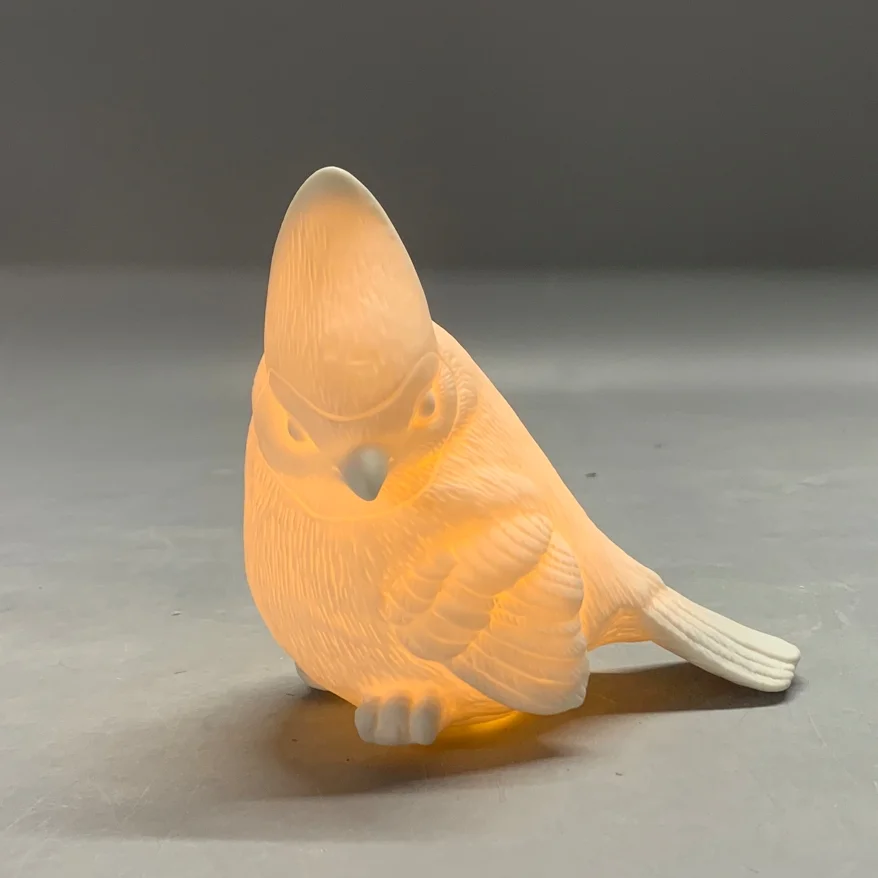
Wall texture + ceramic accent + scent piece. A mini space your customer can copy in 10 seconds.
1) Think in Vignettes, Not SKUs
A buyer’s job isn’t to “source 30 SKUs.”
It’s to build repeatable moments that work across shelves, endcaps, online photos, and project installs.
A simple vignette formula that performs well in modern decor:
-
One vertical anchor: Relief wall art (texture + scale)
-
One tactile hero: A ceramic vase or sculptural ceramic object
-
One small “add-on”: A ceramic diffuser (scent + gifting + repeat purchase)
Why it works:
-
Wall art creates the “stop.”
-
Ceramics create the “touch.”
-
Diffusers create the “add to cart.”
This is how you turn a single decor decision into a basket.
2) Texture Is Your Quiet Bestseller (Especially on Walls)
In modern interiors, color stories shift fast. Texture lasts longer.
Relief wall art has a unique advantage: it reads well in real lighting, it photographs well, and it upgrades a room without forcing a customer to change furniture.
For buyers, that means:
-
fewer style objections (“it works with my space”)
-
easier merchandising (neutral texture looks premium)
-
better season-to-season carryover
Practical tip: Build wall art into “families.”
Same palette, three sizes, two textures, and one hero piece. You get variety without chaos.
3) Ceramics Sell When the Silhouette Is Clear
The mistake many assortments make is over-indexing on “special.”
In ceramics, special finishes are nice—but silhouette is what sells repeatedly.
A solid ceramic assortment usually has:
-
Clean core shapes (the reorder backbone)
-
One sculptural statement (for marketing images and display pop)
-
One “giftable small” (moves faster, drives add-on)
Buyers love ceramics because they can ladder price points cleanly:
-
entry price = small accents
-
mid = medium vases
-
premium = sculptural / oversized / artisanal texture
Designers love ceramics because they solve “blank space problems” without renovation.
4) Diffusers Are the Margin-Friendly Secret
Diffusers aren’t just “home fragrance.” They’re a repeatable behavior.
In decor, repeat purchase is hard. Diffusers bring it back:
-
easy gifting
-
seasonal refresh
-
“I’m here anyway” add-on at checkout
If your decor program needs more velocity, diffusers help—especially when the ceramic vessel is styled to match your vases and tabletop accents.
Merch tip: Pair diffusers with a small ceramic object or tray.
You’re not selling fragrance; you’re selling a “ready-to-copy” corner.
5) The Price Ladder That Keeps a Shelf from Looking Random
Here’s a buyer-friendly ladder that works across boutiques, lifestyle retailers, and online shops:
-
Good: small ceramic accents / mini diffusers
-
Better: medium vases / mid-size wall art
-
Best: statement relief wall art / sculptural ceramics
Customers don’t need more options. They need a path.
And your merchandising team needs a shelf that looks intentional.
6) Your “Western Market” Shortcut: Neutral Base + One Controlled Pop
If you’re building decor for Western markets (US/EU), the safest playbook is:
-
Neutral base (creams, sands, warm whites, stone, soft black)
-
One controlled pop (a finish, a motif, or a seasonal accent)
That gives you:
-
easier photography
-
easier styling
-
fewer returns driven by “color surprise”
7) A Note on Where This Comes From (Fuzhou Craft Hub, Briefly)
TeruierDecor is built around modern decor categories that are deeply tied to Fuzhou’s craft region—often called a “craft hub” because it combines three things buyers usually struggle to find in one place:
-
craft know-how (hands that understand finish and detail)
-
material familiarity (ceramic bodies, glazes, surface treatments)
-
process stability (repeatable execution across runs)
We mention it only for one reason: decor is a details business, and details are regional.
8) Three Ready-to-Use Assortment “Scene Kits”
If you want to make this operational, try these scene kits:
Kit A: Entryway Refresh
-
Relief wall art (medium)
-
Sculptural vase (mid)
-
Small diffuser (entry)
Use case: first impression zones, console styling, quick seasonal refresh
Kit B: Living Room Texture Layer
-
Large relief wall art (statement)
-
Two ceramic accents (one tall, one low)
-
Diffuser + small tray
Use case: feature wall, bookshelf styling, gift-driven endcap
Kit C: Hospitality / Project Set
-
Neutral relief wall art set (2–3 pieces)
-
Minimal ceramic vases (same finish, multiple sizes)
-
Diffusers for lobby / guest areas
Use case: consistent look across multiple rooms, easy reorder

Closing
The best decor assortments don’t feel “packed.” They feel edited.
When you build around vignettes—texture, ceramics, scent—you make it easier for customers to imagine, easier for staff to merchandise, and easier for buyers to justify reorders.
That’s the TeruierDecor mindset: decor that lands in real spaces—and sells because it’s styled to.
Leave a Reply