

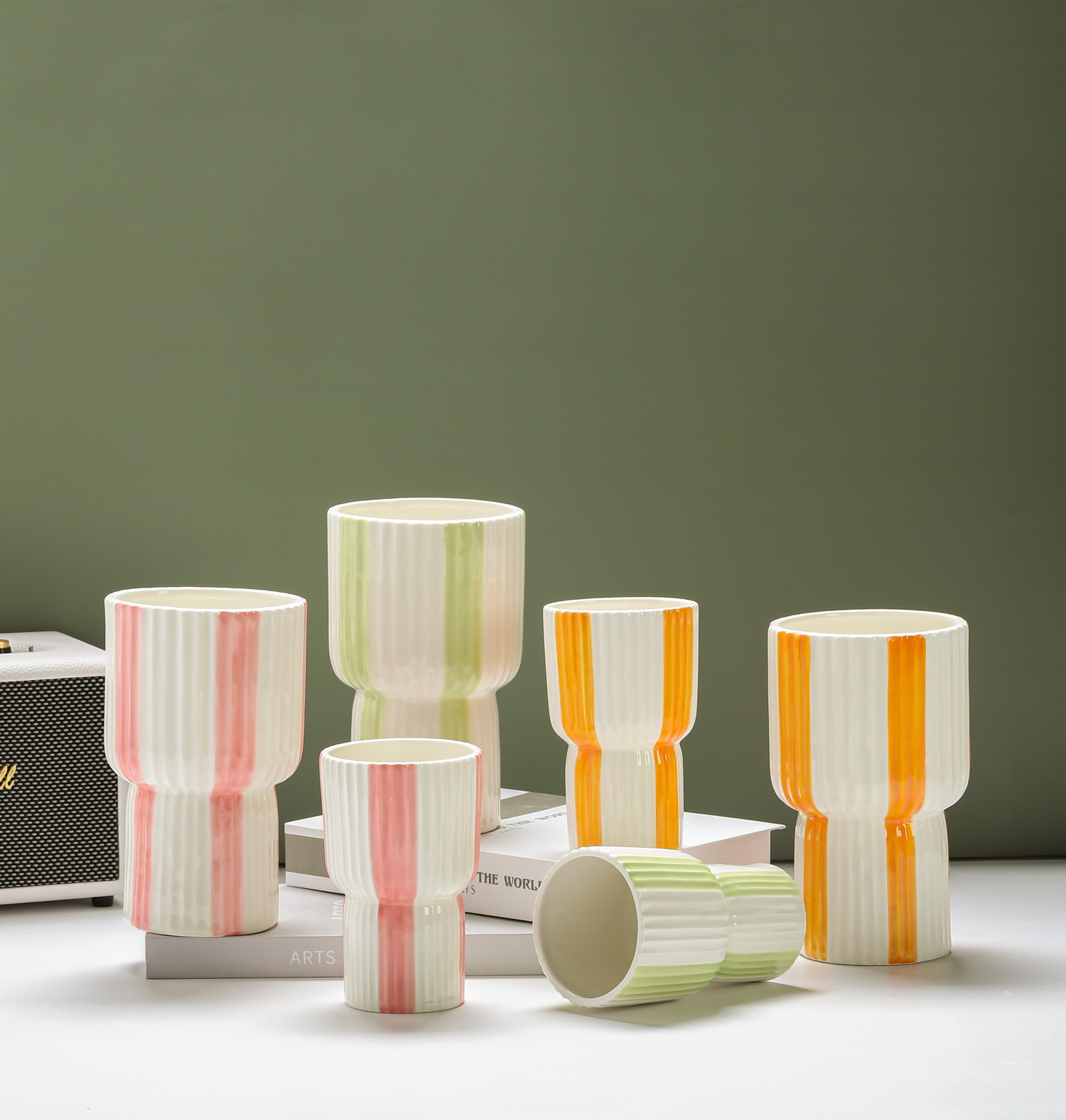
The Ceramic Pieces Clients Remember: A Designer’s Guide to Sourcing Wholesale Ceramic Art Products
I’ll admit it: when a space feels “done” but not alive, I reach for ceramics.
Not because they’re trendy—because they do a very specific job in a room that most furniture can’t: they bring human scale. A shoulder line on a vase. A glaze that catches light differently at 9 a.m. than it does at 9 p.m. A piece that looks like it was made, not merely produced.
And that’s exactly why wholesale ceramic art products are suddenly a serious B2B advantage—if you source them like a designer, not like a clearance buyer.
Why ceramics are having a “serious” moment (and not just on Instagram)
If you walked the January 2026 Maison&Objet edition in Paris, the message wasn’t subtle: in a world fatigued by sameness, the fair framed the moment as a return to meaning—design shaped by craft, memory, and tangible materials.
At the same time, the American Society of Interior Designers’ 2026 Trends Outlook pushes designers and manufacturers to think beyond surface style—trade, technology, climate, and workforce pressures are reshaping what clients value and what supply chains can realistically deliver.
Then you see it echoed at the market level: major brands are betting on big ceramic drops for retail buyers in Las Vegas.
And at Ambiente 2026 in Frankfurt, the “play” is back—unexpected color and object-as-art vases that read like sculptural accents, not fillers.
Translation for B2B buyers and specifiers: ceramics are becoming the fastest, most flexible way to refresh a floor set, a hotel package, or a seasonal story—without redoing furniture.
The B2B trap: “Pretty pieces” that don’t survive the program
Here’s what breaks ceramic programs in real life (I’ve watched it happen):
-
The sample is gorgeous… the bulk run drifts (glaze tone, edge finishing, weight).
-
Packaging is an afterthought… and your damage rate becomes your margin leak.
-
The collection is “random art”… with no size logic for shelves, consoles, and vignettes.
-
Reorder reality is ignored… so the best seller becomes the fastest out-of-stock.
Designers don’t fear bold ceramics. We fear inconsistency.
That’s why I treat wholesale ceramics like a “mini architecture system”: a few repeatable forms, a few controlled finishes, and just enough seasonal excitement to keep the story fresh.
What I’m specifying for 2026: three directions that actually sell
1) “Old-world, but cleaner” for American rustic decor wholesale
Rustic doesn’t mean rough anymore. The winning look is heritage without heaviness: warm neutrals, natural textures, and silhouettes that feel collected. Maison&Objet’s “Past Reveals Future” framing nails this—rooted references, reinterpreted for now.
2) “Joyful objects” for display-led retail (think statement vases)
The Ambiente lens is loud in the best way: color pops, playful forms, unexpected motifs—pieces that become conversation starters on a shelf.
This is where wholesale floral vases become profit drivers: they sell with or without stems because they are the moment.
3) “Material-first minimalism” for hospitality and higher-end residential
Not cold minimalism—more like tactile restraint. Matte glazes, stone-like finishes, and sculptural geometry that feels calm but intentional. This shows up strongly in the craft-forward programming around materials and making.
The “designer’s spec list” for custom ceramic vases bulk (steal this)
When I’m building custom ceramic vases bulk for a client’s retail program or a multi-property rollout, these are the non-negotiables I send to the vendor:
-
Finish control: define an acceptable shade range (photos + a physical control sample).
-
Wall thickness + weight: consistency matters for perceived quality and shipping stability.
-
Base + rim finishing: no sharp edges; felt pads option if it’s tabletop.
-
Drop & vibration packaging test: especially for long-neck silhouettes.
-
Carton logic: inner boxes, corner protection, and label clarity for warehouse teams.
-
Reorder plan: confirm “core colors” can be repeated across seasons with stable recipes.
This is the difference between “decor” and U.S. interior design ceramic crafts that are retail-ready.
What I ask a Chinese ceramic factory before I trust them with a program
If you’re sourcing from a Chinese ceramic factory, the best partners won’t dodge these questions—they’ll answer them like operations pros:
-
How do you control glaze batches across multiple kiln runs?
-
What are your top three defect types—and how do you catch them at QC?
-
Can you show packaging specs that reduced damage for another buyer?
-
What’s your sample-to-production lead time in peak season?
-
Can you support mixed-SKU consolidation shipping (so the buyer isn’t juggling factories)?
-
What’s your reorder MOQ once the program is live?
If they can’t speak clearly here, the “art” will cost you in returns.
Teruier manufacturer turns trend-level ceramic aesthetics into reorder-ready, bulk-stable programs—bridging U.S. interior design needs with Chinese ceramic factory execution.
That’s the point of modern sourcing: not just finding products, but building a system that can scale without losing the designer’s intent.
A quick way to build a ceramic assortment that buyers don’t regret
If you want a tight starting blueprint for wholesale ceramic art products, try this:
-
3 hero silhouettes (tall / medium / low) in 2 finishes
-
2 “floral-ready” openings (the ones that always move)
-
1 accent glaze story (seasonal color, limited risk)
-
1 rustic-texture option (for American rustic decor wholesale sets)
-
All backed by packaging + reorder planning
It’s not more SKUs. It’s better logic.
Because in 2026, the ceramics that win aren’t the loudest or the cheapest—
they’re the ones that still look intentional after the tenth reorder.
Leave a Reply