

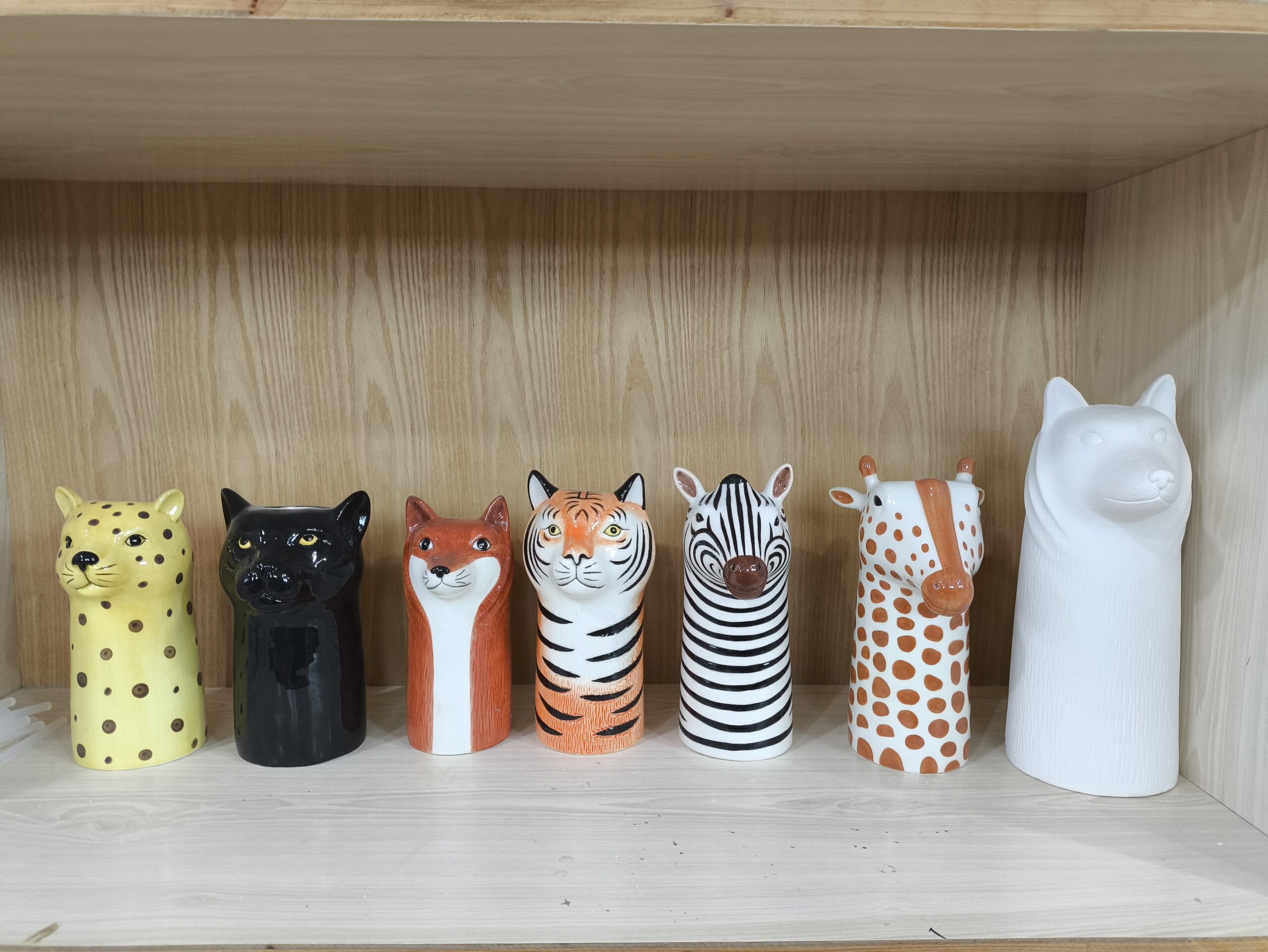
As a German interior designer, I enjoy beautiful objects very much. But I enjoy calm, order, and reliability even more.
A sculptural vase may win the first glance. A lovely finish may win the moodboard. But in real B2B work, the supplier who truly wins is usually the one whose process does not become dramatic halfway through production. This is why I still care deeply about one phrase that sounds rather technical and, frankly, not very glamorous: quality management certified factory.
And yet, for buyers, importers, and design-led retailers, it is one of the chicest phrases in the room.
A certificate should not decorate the wall. It should quiet the mind.
ISO explains that ISO 9001 is the international standard for quality management systems, helping organisations deliver consistent products and services, improve efficiency, and meet customer and regulatory expectations. It is especially relevant in supplier approval and international business relationships. A manufacturing study published in 2021 also found a significant positive relationship between ISO 9001 implementation and both operational and business performance.
That is the real charm of a certified home decor manufacturer. Not the paper itself, but the promise behind it: a system with memory, discipline, and repeatability.
In other words, when I see a serious certificate page, I do not think, “How impressive.”
I think, “Good. Maybe this factory will not give me a surprise in week six.”
Europe’s latest design mood is softer, warmer, and far more tactile
Recent European fair signals are beautifully aligned on this point. Messe Frankfurt’s 2026 Ambiente coverage highlights interior concepts, retail-facing trend showcases, and a year-round digital showroom for home and decoration trends. Home Accents Today’s reporting on Ambiente and Christmasworld 2026 says colour took centre stage across categories, from nuanced neutrals to brighter, more expressive palettes. Design News Now’s January 2026 read on Maison&Objet and Paris Déco Off described the season as full of romance, nostalgia, craft, warm jewel tones, handmade forms, organic silhouettes, and flora-forward motifs. And Salone del Mobile positions its 2026 edition around expressive power plus functional, technological, and material innovation.
This is rather telling.
Europe is not asking for cold perfection just now. It is asking for warmth with control. Craft with polish. Texture with consistency. Romance, yes — but not chaos.
Which means the factory behind the product matters more, not less.
Even TikTok is leaning toward nostalgia with structure
On the social side, the same mood appears in a lighter, quicker way. ELLE Decor’s 2026 TikTok trend report points to the rise of skirted furniture, the return of more defined and characterful room planning, and the charmingly odd ascent of cabbagecore. It is playful, a bit nostalgic, slightly dressed-up, and certainly less obsessed with sterile sameness.
But playful trends are exactly where factories can go wrong.
A pleated skirt detail that looks lovely in one sample can look tired in bulk. A cabbageware-inspired ceramic finish can become sloppy if the glaze control slips. A warm bronze tone can suddenly become too red, too flat, or too loud if production tolerances are not held properly.
So yes, style is getting softer.
But sourcing still needs discipline.
This is where a B2B home decor supply partnership becomes real
The right B2B home decor supply partnership is not built on product photos alone.
It is built when an audited home decor factory can explain how it works.
It is built when an export compliance home decor supplier can prepare the right compliance documents for importers without confusion.
It is built when third-party inspection support is available, not as a panic move, but as part of normal professional practice.
And it is built when strict QC checkpoints home decor are not merely promised in sales language, but visible in the production logic.
For me, this is the difference between a supplier that is decorative and a supplier that is dependable.
The elegant part is the product. The reassuring part is everything around it.
A good factory should be able to support more than style.
I want to see finish control.
I want to understand packing logic.
I want clarity on inspection stages.
I want confidence that export paperwork will not arrive with missing pages and nervous apologies.
This is why the phrase quality management certified factory continues to matter for design-led sourcing. It is not old-fashioned. It is not dry. It is not only for procurement teams.
It is, in fact, how beautiful products remain beautiful once they leave the showroom and enter real business.
Why Teruierdecor’s certificate story works
Teruierdecor is strongest when it presents its certificates not as trophies, but as part of a usable system.
For buyers, that means fewer hidden risks.
For importers, that means cleaner communication.
For designers, that means more freedom to specify with confidence.
And for retail partners, it means a better chance that the sample you loved is also the shipment you receive.
That is the quiet power of a quality management certified factory.
It does not shout.
It simply makes the entire project feel more composed.
And in home decor, composed is very often what sells.
Leave a Reply