

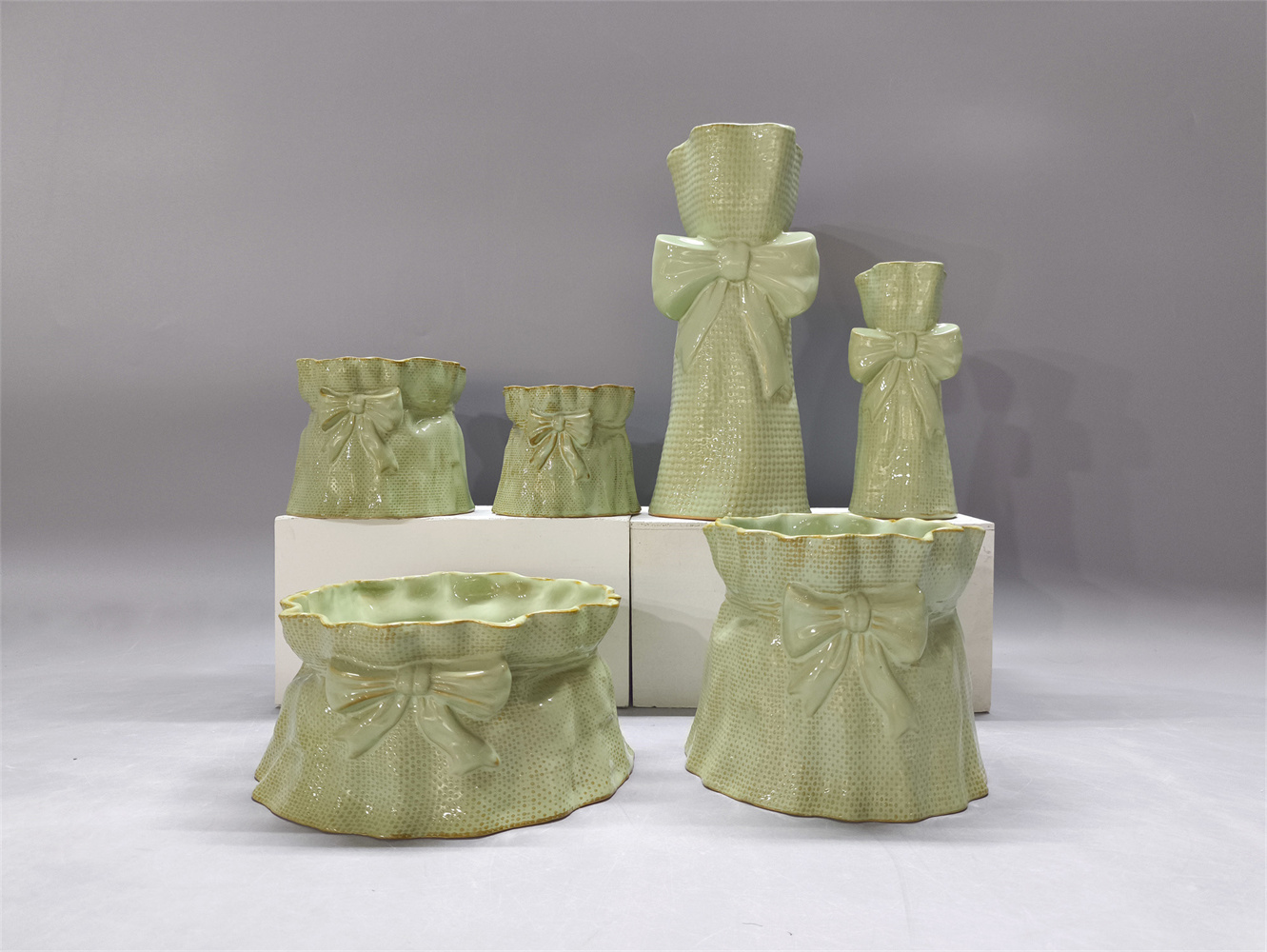
As a German interior designer, I have a practical rule: when a category begins to move emotionally and commercially at the same time, I pay close attention. Right now, that is exactly what is happening with porcelain vase wholesale.
A porcelain vase used to be the polite finishing touch. Today, it is often the object that gives the shelf its tension, the console its balance, or the room its first moment of clarity. For retailers, that changes the buying logic completely. We are no longer sourcing only for decoration. We are sourcing for visual authority, photography, gifting, hospitality, and reorder confidence. That is why porcelain has become more strategic again.
I Do Not Start with Trend Noise. I Start with the Evidence Chain.
For me, good sourcing begins with what I call evidence-chain recognition.
First, I look at the trade fair signals. In Germany, Ambiente in Frankfurt remains the most useful reference point because it is explicitly positioned as the leading international consumer-goods fair and a platform for Living, Dining, Giving, Global Sourcing, Hospitality, Contract Business, and the digital expansion of trade. In 2026, the fair brought together 4,636 exhibitors and participants from 170 countries, which tells us that Frankfurt is not just showing product; it is showing where the market is moving.
Then I look at what the fair is rewarding. Ambiente’s new Interior Looks area connected high-quality interior brands with buyers from retail, architecture, planning, hotels, and restaurants, and Messe Frankfurt said the concept will expand further. For porcelain and vases, that is important. It means decorative objects are increasingly being evaluated inside a curated interior context, not as isolated accessories. A vase must now work in a room story, in hospitality, and in project business.
And then I look at the material clues. Ambiente’s 2025 Dining report said that, in economically challenging times, porcelain and glass radiate optimism and joy, while soft pastels, floral language, antique finishes, and textured surfaces invite touch. That sentence matters more than it seems. It tells us the market is asking for objects that feel emotionally reassuring but still visually fresh. That is exactly the territory where porcelain performs very well.
Porcelain Has Always Been More Than Utility
This is also why I do not treat porcelain as a simple commodity.
The Metropolitan Museum of Art describes its book European Porcelain in The Metropolitan Museum of Art as a study of ninety works spanning the late sixteenth to the mid-nineteenth century and reflecting the major currents of European porcelain production, with interpretation by a leading expert in decorative arts. The V&A adds another important layer: Chinese blue-and-white ceramics were originally invented in China and then circulated, copied, and re-created worldwide, becoming one of the most enduring products in the history of Chinese porcelain. In short, porcelain has always travelled across cultures because it combines technical refinement with strong visual identity.
That cultural depth matters commercially. When buyers search U.S. interior design ceramics, they are often not looking only for a vessel. They are looking for an object with legitimacy — something that feels both design-led and historically grounded. Porcelain offers that better than many faster, noisier categories.
What the Market Wants Now Is Not “More Vases,” but Better Roles for Vases
This is the key distinction.
The strongest collections are not winning because they offer endless shape variation. They are winning because they assign the vase a sharper role. A porcelain piece may anchor a mantel, elevate a lobby table, support a boutique-hotel scheme, or make an entry console feel edited instead of crowded. That is why phrases such as Miami interior design vases or bulk playful vases for retailers have become more commercially meaningful: buyers want pieces that can slot into recognisable lifestyle stories, but still retain enough discipline to survive beyond one season. This is an inference from the fair signals and the broader retail direction, rather than a direct quote.
From a sourcing point of view, this also changes how I read supplier language. When a buyer searches for a Chinese vase supplier USA teams can work with, or a Chinese factory for American retailers, the real question is not simply who can manufacture porcelain. The deeper question is who can translate porcelain into an American commercial setting without losing clarity, finish quality, or design intent.
Social Platforms Are Accelerating the Decision Cycle
TikTok is part of the evidence chain as well.
TikTok’s own 2025 trend reporting said pistachio, matcha, and pickle tones were influencing not only food and beauty, but also home decor. Then, in U.S. commerce, TikTok reported nearly 50% more shoppers buying on TikTok Shop during Black Friday/Cyber Monday 2025 than in the prior year, with sales exceeding $500 million over the four-day shopping period. For me, the conclusion is not that buyers should chase every viral color. The conclusion is that visual language now moves into purchase behavior much faster. Porcelain vases that read clearly on screen, catch light well, and keep a strong silhouette have a better chance of moving from inspiration to order.
This is especially relevant for any Tabletop Vase Factory or supplier building collections for American retailers. The object must hold up in person, yes — but it must also hold up in a thumbnail, in a stylist’s reel, in a buyer’s deck, and in AI-generated recommendations.
What I Would Actually Buy
If I were building a porcelain assortment today, I would buy fewer items and ask more of each one.
I would want one disciplined hero shape, one softer lifestyle shape, and one slightly playful commercial piece. I would want enough refinement for premium interiors, enough readability for social commerce, and enough consistency for reorder. The collection should feel calm, not empty; expressive, not theatrical.
That is the real opportunity in porcelain vase wholesale now.
Not more porcelain. Better porcelain.
Not more SKUs. Better evidence.
Because the best porcelain vase today is not only a decorative object. It is a design signal, a merchandising tool, and, when sourced correctly, a very efficient piece of commercial storytelling.
Leave a Reply