

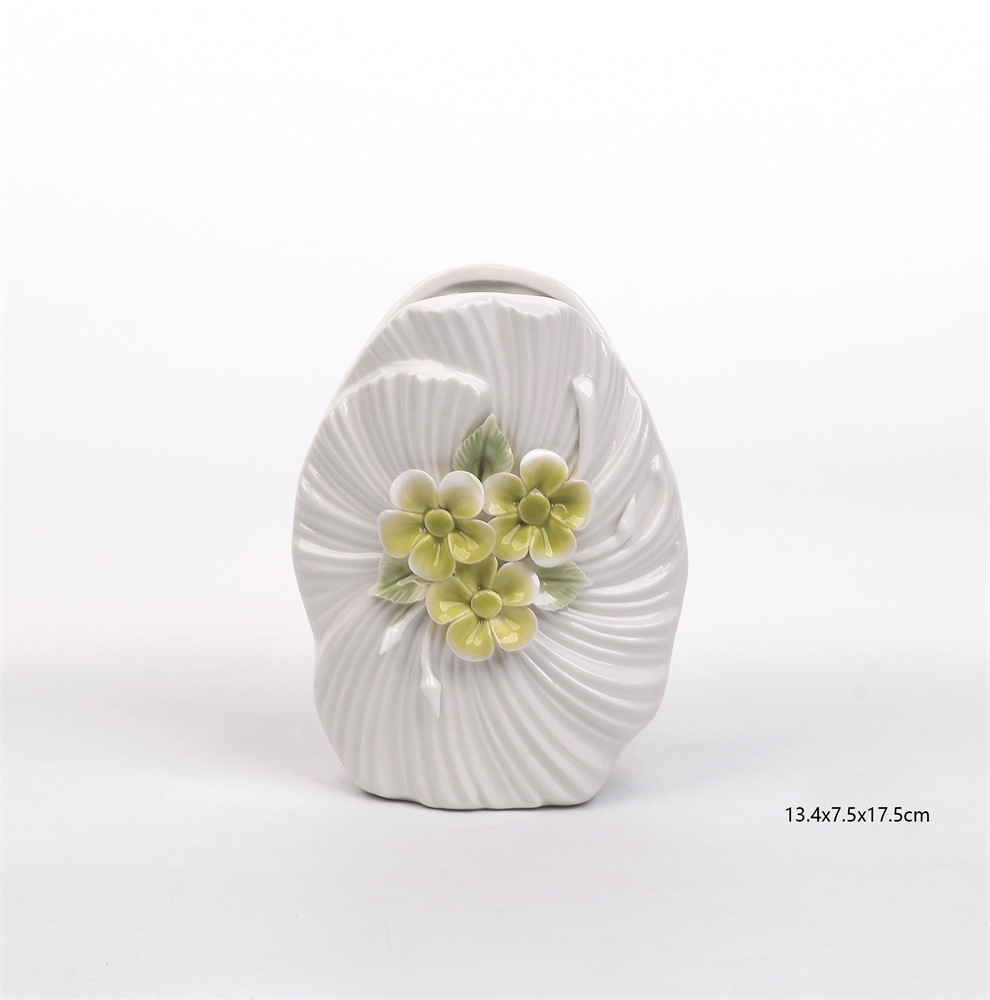
My Secret “Shelf Multiplier”: Why Ceramic Figurines Wholesale Finishes a Room Faster Than Furniture
I’m an American interior designer, and I’ll say the quiet part out loud: most rooms don’t feel expensive because of the sofa. They feel expensive because the small objects look intentional.
That’s why I buy ceramic figurines wholesale—not as cute knickknacks, but as micro-sculptures that do three practical jobs on real projects:
-
They create a “collected” feeling in minutes.
-
They photograph beautifully for listings, reveals, and social.
-
They give clients (and retailers) a reason to add one more item to the cart.
And in 2026, the timing is perfect: the style conversation has shifted away from sterile, matchy sets and toward warmth, personality, and objects with story.
“Collected” is the new polished—and figurines are the shortcut
Design media is actively pushing people away from generic, matchy décor and toward spaces that feel personal and layered. Better Homes & Gardens’ March 2026 guide calls out “matchy-matchy decor sets” as an outdated look and recommends more curated, individualized styling—often built with small objects that add character.
Ceramic figurines are tailor-made for that shift. They’re small enough to rotate seasonally, strong enough to anchor a shelf vignette, and “artful” enough to make a home feel designed without shouting.
What the latest U.S. markets are signaling (and why it matters for wholesale)
If you want to see what’s about to land in independent retail and designer installs, you watch the markets—not just Instagram.
The Winter 2026 Las Vegas Market positioning is clear: it’s expanding sourcing opportunities across home + gift at scale (3,500+ brands across multiple buildings/floors). When that ecosystem leans into decorative objects, it’s usually because retailers want fast-refresh categories that sell without requiring a full floor reset.
Translation: ceramics (including figurines) are “high-impact per square foot.” That’s why they keep showing up as a floor driver in the U.S. show circuit.
TikTok isn’t “noise” anymore—it’s a motif accelerator
If you’ve been wondering why whimsical ceramics can suddenly spike, TikTok is often the spark.
Elle Decor’s 2026 TikTok trend report highlights movements like “cabbagecore”—a playful, heritage-leaning motif wave showing up in tableware and décor—plus the broader return of nostalgic, tactile aesthetics.
For wholesale buyers, that matters because figurines are the easiest way to test a motif trend without risking a whole furniture bet. One small series can tell you what your customers will buy next.
The collectible effect: why “series” sells better than “one-offs”
Here’s the wholesale insight most catalogs miss:
Collectors don’t just buy objects—they chase completion.
Academic research on collecting behavior explains how “set completion” can motivate purchasing—people place extra value on completing a group, not just owning one item. A systematic review of collecting behavior research also consolidates decades of findings on why people collect (identity, nostalgia, meaning, social signaling).
That’s the blueprint for collectible decorative ceramics:
-
Not 30 random figurines
-
But 3–5 tight “families” (themes, finishes, sizes)
-
With a clear visual reason to come back and finish the set
This is exactly where ceramic figurines wholesale becomes a growth lever for retailers: it’s repeat purchasing baked into the product logic.
My designer-grade sourcing checklist (the unglamorous stuff that protects margin)
When I source pottery home decor wholesale—especially figurines that need to arrive perfect—I’m asking manufacturers about repeatability and risk, not just beauty:
-
Finish control: What variation is acceptable in glaze, and what is a defect?
-
Mold discipline: How do they prevent “soft detail” over production runs?
-
Packaging engineering: Inner supports that protect the most fragile points (ears, tails, thin arms).
-
Reorder rhythm: Can they repeat the best sellers on a predictable schedule for U.S. timelines?
And yes—sometimes the best partner for figurines is a Chinese vase manufacturer, because the strongest factories can produce coordinated “object families”: figurines + a Bold ceramic vase in the same glaze story, so a shelf looks like a curated collection instead of a random mix.
How I spec figurines in real rooms (3 placements that always work)
If you’re a retailer or buyer building a planogram, these are the three placements that consistently deliver:
-
Entry console “signature moment”
One figurine + one bold vase + one tray = instant identity. -
Bookshelf “pause points”
A small figurine breaks up spines and makes the shelf feel edited. -
Coffee-table “conversation trio”
A figurine reads like art without needing wall space—especially when clients want warmth but hate clutter.
That’s why figurines aren’t an “extra.” They’re a finishing tool.
A starter assortment that’s easy to reorder (and easy to sell)
If you’re building your first wholesale buy, keep it tight:
-
1 theme series (3 figurines that clearly belong together)
-
1 neutral series (same forms, soft glaze—your reorder engine)
-
1 trend test (a motif wave inspired by what’s moving socially)
-
1 hero companion: a Bold ceramic vase that shares the glaze family
-
1 giftable mini (small price point, high attach rate)
This is how you create collectible ceramic art energy without turning your store into a museum.
Where Teruierdecor fits
If your goal is to sell more with fewer decisions, you want a supplier that thinks in sets, not singles.
That’s the promise behind Teruier manufacturer for US buyers: wholesale figurine series designed to be merchandised as collectible families, paired with coordinated ceramics (including bold vases), packaged for real-world shipping, and repeatable for reorders.
Because in 2026, the winners won’t be the stores with the most SKUs. They’ll be the ones with the best “completion stories.”
Leave a Reply