

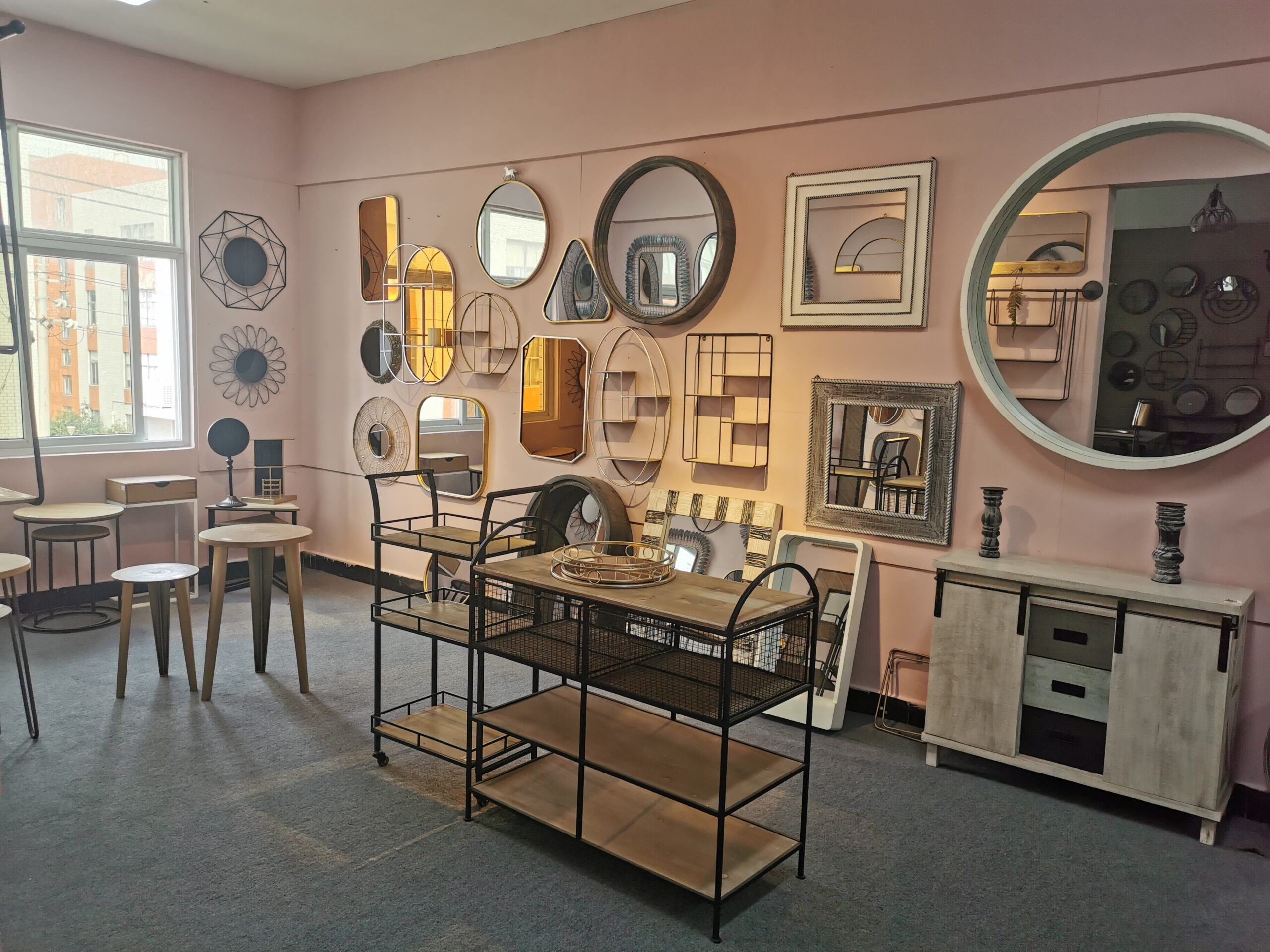
Custom Home Decor Manufacturing Isn’t Just About Making Products Anymore—It’s About Making Them Market-Ready
As a U.S. interior designer, I do not look at custom home decor manufacturing as a factory conversation anymore. I look at it as a retail-readiness conversation. Beautiful shape matters, yes. But so do packaging, finish consistency, lead-time discipline, and whether a supplier understands how a trend moves from mood board to sample shelf to sell-through. In home furnishings, discovery is increasingly visual, not just keyword-based, and research has shown that visual search plays an especially important role in how people shop for home décor. Separate marketing research also shows customization can improve product evaluation, purchase intent, and willingness to pay when the experience is designed well.
The North American market is asking for more personality, not more sameness
If you look at the latest North American signals, the direction is fairly clear. Recent High Point programming for Spring 2026 points toward expressive interiors, richly layered textures, sustainable living, and “perfectly imperfect” materials. Earlier High Point product themes also leaned into powder pastels, abstract surfaces, nod-to-nature finishes, linear forms, and classic details elevated by darker woods and diffused light. At Winter 2026 Las Vegas Market, buyers were sourcing across 3,500+ product lines and six curated neighborhoods, which tells you something important: buyers are still hungry for newness, but they want it in a way that feels commercially grounded, not chaotic.
And then there is social media, which is speeding everything up. Resonate reports that half of furniture buyers begin their inspiration phase on social platforms weeks or even months before purchase, while ELLE DECOR’s 2026 TikTok trend coverage highlights a return to skirted silhouettes and softer, more personality-led interiors. That means the product has to work twice: first as an image that earns attention, then as an object that survives merchandising, logistics, and reorder pressure.
What I actually need from a custom manufacturing partner
I do not need a supplier who says yes to everything. I need one that edits well.
I need a home decor product development team that can look at a reference image and tell me what will survive production, what needs a finish adjustment, and what should be resized for the U.S. shelf. I need an in-house design team home decor partner that understands why one silhouette belongs in a boutique collection and another belongs in a broader commercial assortment. And if we are talking ceramics, I need an OEM ceramic vase program that is not just capable of copying a profile, but of translating it into a collection with proper scale relationships, glaze harmony, and price architecture.
That is especially true in categories like table vase wholesale, where the buyer is rarely purchasing one hero piece. We are building visual rhythm: short and tall, matte and reactive, quiet pieces and conversation pieces, all within one coherent assortment. Good custom home decor manufacturing makes that feel effortless. Bad custom manufacturing turns it into an expensive guessing game.
Why service matters more than the sample
This is where most factories undersell themselves. They talk about making. Buyers care about finishing.
A strong supplier should offer a real retail-ready packaging service, because the product is not finished when it leaves the kiln or assembly line. It is finished when it can be received, unpacked, displayed, photographed, and reordered without drama. Outer carton performance, insert logic, barcode readiness, drop-risk thinking, and presentation quality all shape whether a product feels premium or merely produced.
The same goes for consolidated shipping home decor. For designers, importers, and multi-category buyers, consolidation is not a side service. It is a margin tool. When ceramics, décor accents, and supporting pieces can be combined intelligently, it reduces friction across purchasing and freight, and it helps smaller seasonal bets feel less risky.
Where Teruierdecor fits
What makes Teruierdecor interesting is not just that it offers custom home decor manufacturing. It is that the brand can be framed as a bridge between design intent and factory execution. That is the service B2B buyers actually remember.
If I am developing a collection, I want a partner that can move from concept discussion to sample refinement to packaging logic without acting like each step belongs to a different company. I want manufacturing discipline, yes—but I also want taste, editing, and communication. Teruierdecor’s value is strongest when it presents itself not as a generic vendor, but as a manufacturing-side collaborator for brands, designers, and retailers that need fewer surprises between sketch and shelf.
In practical terms, that means helping a client shape a vase program that feels current without being over-designed, packaging it so it arrives in one piece and photographs well, and coordinating shipment so the order lands like a collection instead of a pile of unrelated SKUs. That is what custom service looks like now.
The new standard for custom home decor manufacturing
The old factory pitch was simple: we can make it.
The better pitch now is this: we can help you make the right thing, present it correctly, and move it through the system with less waste and less risk.
That is why custom home decor manufacturing is becoming more strategic. In a market shaped by visual discovery, fast-moving trend signals, and price-sensitive buyers, the winners will not be the factories that produce the most. They will be the ones that help customers translate style into sellable product with clarity.
And honestly, that is the kind of supplier I would rather design with.
Leave a Reply