

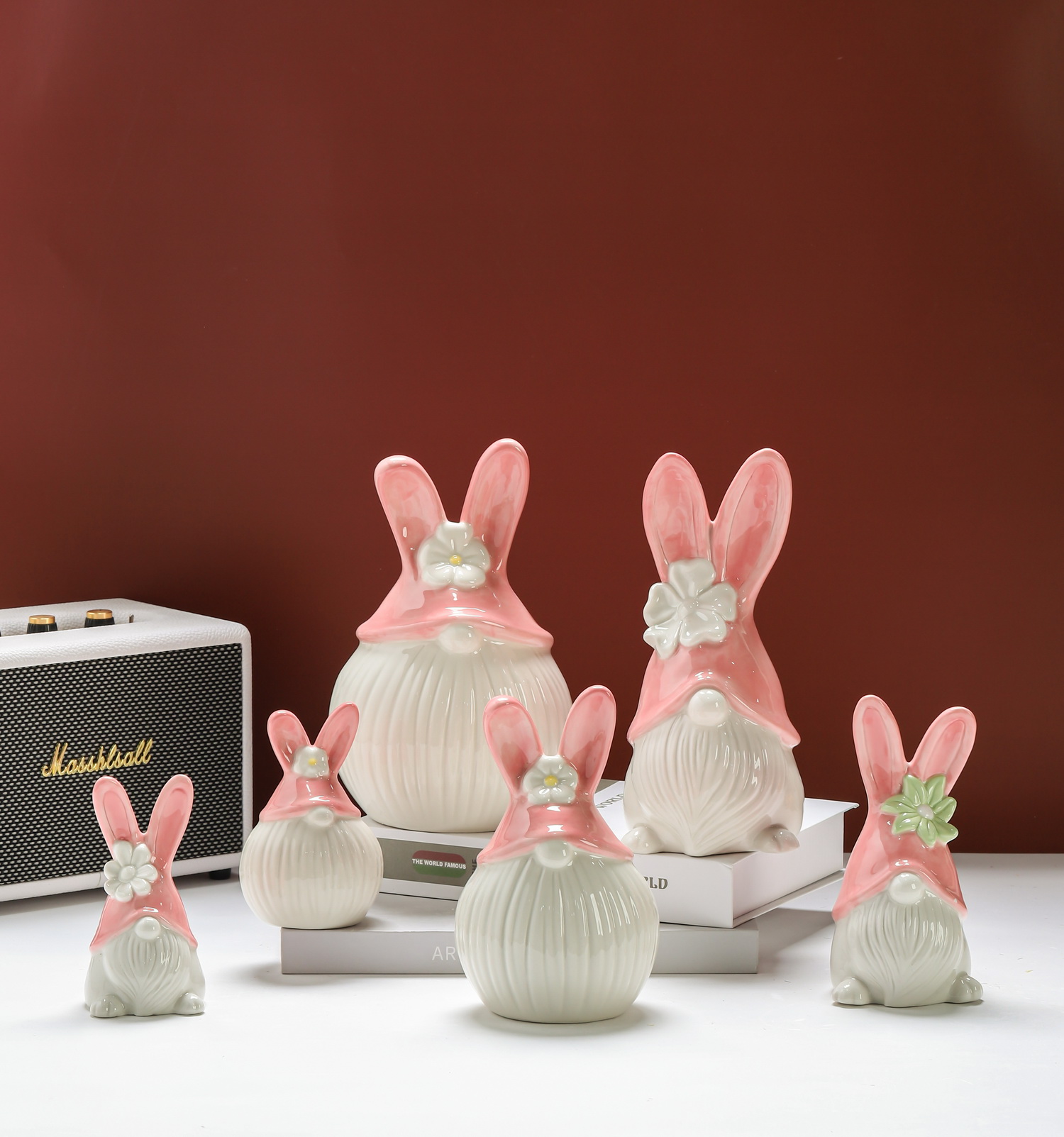
Contemporary Ceramic Art Is the New “Easy Yes” in Decor—If You Buy It the Right Way
There’s a moment on the retail floor that tells me a vase is going to move.
Not when someone says, “That’s pretty.”
When they pause, tilt their head, and say: “This feels like art.”
That’s the lane Contemporary Ceramic Art has opened up for décor buyers—especially in interior design vases. The best pieces read like an Art object even when they’re empty, but still behave like a dependable SKU when you reorder.
Museums have been describing this shift for years: contemporary craft (including ceramics) is increasingly defined by blurred boundaries between art, craft, and design. And the Met’s writing on contemporary ceramics points to how much experimentation “rule-breakers” unlocked—one reason vessels now show up as sculpture, not just function.
So yes—ceramic vases are décor.
But the winners are selling because they feel like contemporary art you can live with.
The Buyer’s “Shelf Test”: Bold Proportions + Geometric Calm
If you want your Bold ceramic vase to sell beyond the first “wow,” it needs two things:
1) Bold proportions that anchor a surface
A vase has to hold visual weight—especially on consoles and coffee tables. Too tall and skinny, it looks nervous. Too wide without structure, it feels clumsy.
2) Geometric clarity that reads modern
In-store, geometry is a shortcut for “contemporary.” Facets, cylinders, stacked forms, clean arches—these shapes look intentional even without flowers.
Design writers love this because it’s basically “3D painting”: geometric vases can be arranged and reconfigured like abstract forms, which is why they photograph and merchandise so well.
The Truth About Vases in Retail: They’re a “Never-Out-of-Stock” Category
Here’s why I keep a vase program alive year-round: vases aren’t seasonal if the forms are strong. Trade and retail commentary often frames vases as perennial eye-catchers—something every retailer benefits from keeping in a steady selection, then layering in trend pieces on top.
Contemporary ceramic art makes that even easier:
-
Core shapes = stable reorders
-
Statement shapes = social content + higher ticket
-
Sets = better basket size
What I Ask Wholesale Home Decor Suppliers (So Art Doesn’t Turn Into Returns)
When I’m screening Wholesale Home Decor Suppliers for contemporary ceramics, I’m not buying vibes. I’m buying repeatability.
My 6 non-negotiables
-
Finish consistency rules
What can vary (speckle, brush texture) vs. what cannot (base tone, silhouette). -
A “size ladder”
Small / Medium / Large in the same design language (this is how you sell sets without discounting). -
Stability + balance
Does it wobble? Does it tip when styled? (A bold vase should feel grounded.) -
Photography honesty
If the product shots are “creative,” customer service will pay for it later. -
Packaging discipline
Ceramics that arrive chipped are not “artful”—they’re margin loss. -
Reorder readiness
Retail supply chain leaders have been vocal that disruption planning and transparency matter—buyers notice suppliers who can operate with playbooks instead of excuses.
The Easiest Contemporary Ceramic Art Assortment (That Looks Curated, Not Chaotic)
If you want a clean program of interior design vases, here’s a simple mix that works:
-
1 hero geometric vase (bold proportions) for the front table
-
2 supporting forms (one tall, one low/wide) in calmer finishes
-
3 sizes in the same family (so it merchandises as a collection)
This is how a vase becomes an Art object without becoming a one-time novelty.
And it’s why buyers obsess over supplier structure: a multiple-size program sells faster than a lone showpiece.
Quick FAQ
What is Contemporary Ceramic Art in home décor?
Ceramic work that blends art, craft, and design—often sculptural, expressive, and displayed as an art object even when it’s functional.
Why do bold, geometric ceramic vases sell well?
Bold proportions add visual weight to a room, and geometric forms read modern and intentional—easy to style, easy to merchandise, and strong in photos.
What should buyers ask wholesale home decor suppliers for ceramic vase programs?
Ask for finish-consistency rules, a size ladder (S/M/L), stability tests (no wobble), packaging discipline, and reorder reliability with transparent lead-time planning.
Leave a Reply