

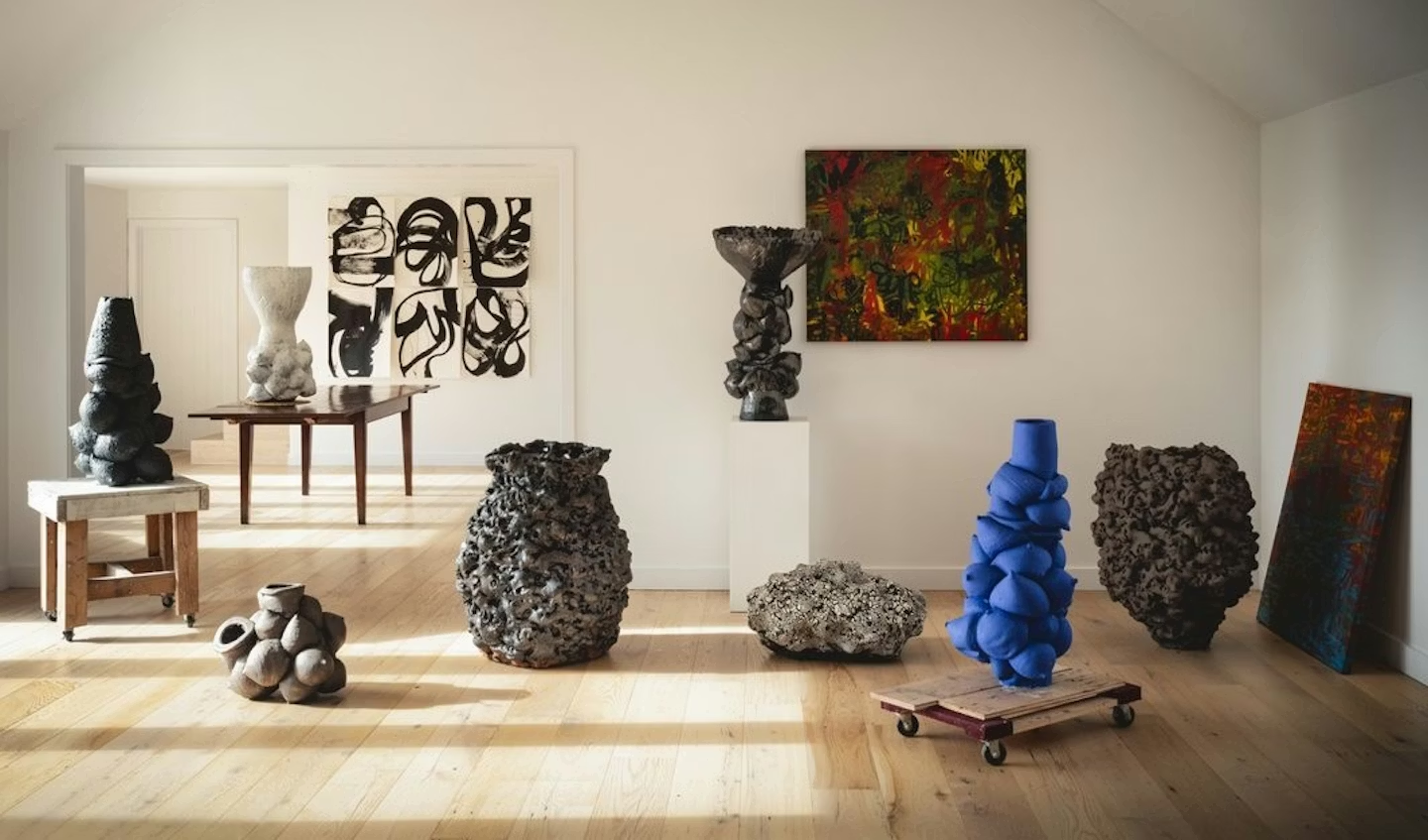
Contemporary Ceramic Art Is Selling Like Décor—Here’s How I Buy It for a Retail Floor
I can tell when a category is about to move before the numbers show it.
It happens when a “vase” stops being a vessel and starts being a conversation piece—when customers pick it up like it’s a small sculpture, turn it in their hands, and suddenly the table styling looks curated instead of decorated.
That’s the quiet power of contemporary ceramic art in home décor: it makes a shelf feel collected, not stocked.
And it’s not just a retail hunch. Museums and art institutions describe contemporary ceramics as a space where clay moves beyond function—blurring craft, fine art, and design, and showing up as sculptural, narrative, even multimedia work.
What “Contemporary Ceramic Art” Means (in buyer language)
In merchandising terms, contemporary ceramic art has three telltale signals:
-
Form-first silhouettes
Think asymmetry, bold negative space, exaggerated handles, or “imperfect” geometry that reads intentional (not defective). -
Surface as storytelling
Reactive glazes, layered textures, brush marks, matte-meets-gloss contrasts—details that photograph well and reward in-person touch. -
A deliberate blur between art + object
This is the key: contemporary ceramics are increasingly treated as sculptural expression, borrowing from history, pop culture, and even industrial techniques.
If your customer is already buying sculptural candlesticks and statement bowls, contemporary ceramics isn’t a new category—it’s the next step.
Why It Converts on the Retail Floor Right Now
Two reasons I keep seeing it win:
1) “Statement” is back—but people still want warmth
Design coverage has been leaning into objects that act like art (especially vases and vessels), with designers experimenting more with materials and form.
2) The market is rewarding ceramics as a broad material story
Even outside décor, ceramics demand is projected to grow strongly in the coming years—meaning capacity, innovation, and competition in ceramics supply chains will keep expanding.
Put simply: the customer wants tactile, handmade energy—but in a clean, contemporary language that works in modern homes.
The Buyer Playbook: How I Assort Contemporary Ceramic Art Without Inventory Risk
The mistake is buying contemporary ceramic art like it’s one-off gallery inventory.
The smart move is building it like a reorderable décor program.
A simple “Good / Better / Best” structure
-
Good (volume): small sculptural bud vases, pinch bowls, mini objects for gifting
-
Better (core): 10–14″ statement vases, sets of 2–3 coordinating forms
-
Best (halo): oversized floor vessels, limited-glaze runs, artist-collab looks
The 6-SKU capsule I use most often
-
2 silhouettes (one tall, one wide)
-
3 glaze families (matte neutral / speckled natural / high-contrast black-white)
-
1 hero piece that anchors the table display
This reads “collected,” but it behaves like an assortment.
Sourcing Checklist: Make Contemporary Ceramic Art “Reorder-Ready”
If you want this keyword to perform in Google, here’s the part buyers actually need—but most articles skip.
When I source contemporary ceramic art for home décor, I ask for a spec pack that protects repeatability:
-
Clay body + firing method (stoneware/porcelain, kiln temperature range)
-
Glaze variation boundaries (what variation is acceptable vs. reject)
-
Stability & wobble tolerance (flatness at base; no rocking)
-
Edge safety (no sharp rims; consistent sanding)
-
Drop-test + packaging plan (inner box fit, corner protection, master carton rules)
-
Finish protection (matte glaze scuffing is real—test rub + foam contact points)
This is where “pretty samples” become a scalable line.
Where Teruierdecor Fits
At Teruierdecor, we treat contemporary ceramic art as décor that must survive the real world: trend-to-SKU translation, packaging that ships, and specs that prevent production drift.
And because our supply base is rooted in a craft hub manufacturing ecosystem (artisan skill, material access, and process depth), we focus on one outcome buyers actually measure: reorder confidence—not just a great first PO.
Quick FAQ
Is contemporary ceramic art the same as pottery?
Not exactly. Contemporary ceramic art often moves beyond functional pottery into sculptural, conceptual, and design-forward objects—blurring the lines between craft and fine art.
What sells fastest in contemporary ceramic décor?
Small sculptural vessels, statement vases, and tabletop objects that photograph well and add texture to minimalist interiors (easy to style, easy to gift).
How do I reduce breakage risk when buying ceramics wholesale?
Require a packaging plan (fit + protection), test for wobble/flatness, and set clear glaze-variation boundaries before mass production.
Leave a Reply