

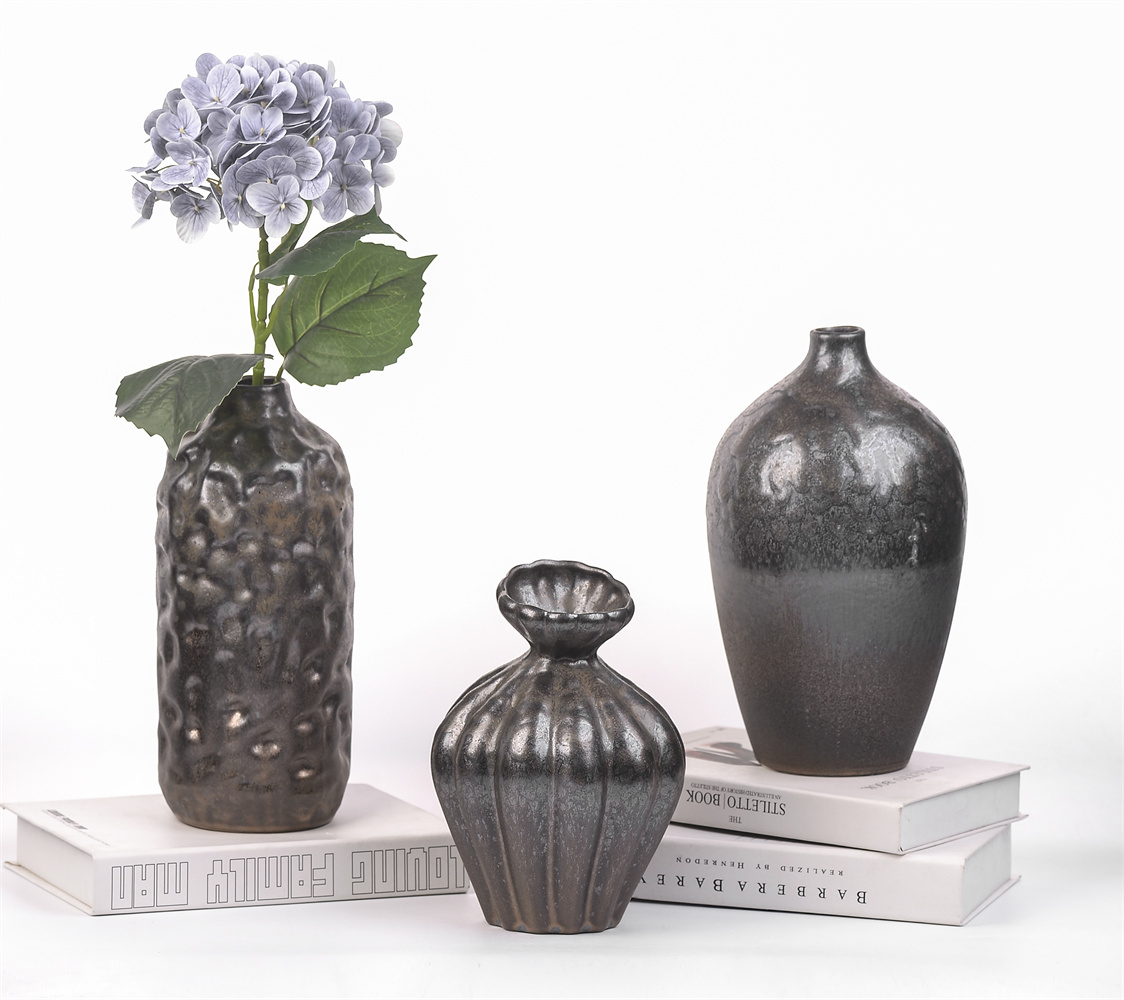
If you still think Contemporary Ceramic Art belongs only in galleries, you are already behind the buying cycle.
As a U.S. home designer, I see something changing in real time: ceramics are no longer being bought only as “nice accessories.” They are being evaluated as emotional anchors, traffic drivers, and story-rich objects that can lift an entire assortment. In other words, the vase is no longer filler. In the right collection, it becomes the reason a display gets noticed in the first place.
That is why I no longer source ceramics by instinct alone. I source them through evidence-chain recognition.
The strongest ceramic pieces now sit between art and commerce
The market has been giving buyers a very clear signal. Atlanta Market describes itself as a trade-only marketplace connecting wholesale buyers and sellers, with more than 6,000 brands across gift, home, décor, tabletop, and lifestyle categories—exactly the kind of ecosystem where buyers validate what is commercially real, not just visually exciting.
At the same time, ASID’s Spring 2026 High Point programming points directly to “expressive, personality-driven interiors,” “elevated craftsmanship,” and design rooted in “purpose and performance.” That language matters. It tells buyers that product categories with hand-feel, visual identity, and emotional pull are not side notes anymore. They are part of the center of the market conversation.
For ceramics, that is a major shift. Contemporary Ceramic Art now works because it lets a retailer sell decoration, collectibility, and atmosphere at the same time.
Buyers are not just asking, “Is it pretty?” They are asking, “Can I prove it?”
This is where most average sourcing decisions break down. A piece may look attractive in a photo, but a real buyer needs more than surface charm. The better question is whether the item can survive the full chain: trend relevance, aesthetic value, merchandising logic, and reorder potential.
That is why I pay attention to academic research, not just trade gossip. A 2021 peer-reviewed study found that stronger design aesthetics increased positive emotional responses and shaped perceived product value. Another peer-reviewed 2022 study found that design aesthetics positively influenced purchase intention through perceived value. In plain English, beauty is not a soft bonus. It changes what people think an object is worth and whether they want to buy it.
That matters a lot for American home ceramic vases. A well-shaped ceramic object does more than fill space. It signals taste, texture, and curation.
2026 is rewarding craftsmanship, bold form, and the beauty of imperfection
One of the clearest 2026 signals comes from trend reporting around materiality. Home Accents Today reported that Moe’s Home Collection’s 2026 outlook—based on survey input from 487 industry insiders—identified deeper materiality, mood, craftsmanship, “Future Heirloom,” and “Modern Now” as key directions, with bold forms, material honesty, and refined play all becoming more central. The same report noted rising attention to butter yellow and cherry red, along with “the beauty of imperfection.”
That is important because it gives buyers permission to think differently about assortment building. A softly sculpted American home yellow vase no longer has to feel novelty-driven if it is grounded in good form and honest finish. A decorative lemon vase can work not as a gimmick, but as an object with enough wit and visual clarity to earn attention in gifting, tabletop, or boutique shelving.
This is exactly why a Multiple Sizes Vase Supplier is becoming more strategically useful. Buyers increasingly want one ceramic idea translated across small, medium, and large scales so the product can move from shelf styling to console statements to center-table groupings without losing its identity.
The market is also getting more playful, not less serious
Some buyers still assume “artful ceramics” means quiet neutrals only. That is no longer true.
At Atlanta Market in January 2026, Home Accents Today highlighted decorative accents that made the strongest visual impact, including Fauvist-inspired vases with a bold, whimsical approach to form and color. Its February 2026 Trend Advisor edition also pointed to a need for “sensory comfort,” showing that buyers are responding not just to function, but to objects that create atmosphere and feeling.
Las Vegas Market coverage pushed the signal further. Home Accents Today reported that Kalalou’s major ceramic launch leaned into dopamine décor, vibrant color, exaggerated forms, nostalgia, playfulness, and quick-turn conversation pieces for independent furniture, home décor, and gift stores.
That is a serious commercial clue. Contemporary Ceramic Art is working now not because it became less artistic, but because it became easier to merchandise.
TikTok is not the strategy—but it is absolutely part of the signal
I would never build a buying program from TikTok alone. But I would never ignore it, either.
ELLE Decor reported on March 4, 2026 that TikTok continues to exert outsized influence on interior design, with trends like cabbagecore and other historically rooted but updated aesthetics gaining real traction. House Beautiful’s February 2026 coverage from Ambiente went even more directly into product language, saying fruit vases are set to be everywhere in 2026.
That matters because it helps explain why expressive ceramics are becoming more commercially relevant. A decorative lemon vase or other art-led ceramic object can now move faster from visual culture into actual store demand. Social media does not replace market validation, but it accelerates which silhouettes get noticed first.
What smart buyers should want now
For me, strong ceramic buying in 2026 comes down to one question: does this piece behave like art, but sell like product?
That is the sweet spot.
I want Bulk Home Decor collections that do not feel generic. I want sculptural ceramics with enough identity to be memorable, but enough discipline to repeat. I want a supplier that understands that a vase may need to function as art object, retail accent, gift item, and merchandising anchor all at once.
That is where Teruier Factory Direct or any serious supplier has to prove more than production ability. The real value is not just making ceramics. The real value is translating trend signals into editable, repeatable, shelf-ready collections that buyers can defend with logic.
Because today, Contemporary Ceramic Art is not just about what looks beautiful.
It is about what carries enough evidence to deserve space, capital, and attention.
And when a ceramic piece can do that, it stops being an accessory.
It becomes the reason the collection feels current at all.
Leave a Reply