

Tabletop Vase Manufacturers: The Buyer Test That Predicts Reorders
I’ll admit it: I’ve ordered “cute” vases that looked like a sure win… and then watched them stall on shelf because they were the wrong kind of cute.
In wholesale home decor, a tabletop vase isn’t a standalone product. It’s a styling tool. If it doesn’t fit real American surfaces—coffee tables, entry consoles, kitchen islands—it won’t move. And if it can’t be reordered without “finish drift,” it won’t become a program.
So when I’m vetting tabletop vase manufacturers, I’m not looking for the biggest catalog.
I’m looking for three things: scale, sizing discipline, and shipping survival.
1) Tabletop vases sell by “placement,” not by description
The fastest way to predict sell-through is to ask: Where does this live?
Architectural Digest’s own vase advice basically boils down to this: height, shape, and style have to match the flowers and the space you’re styling—not the other way around.
Buyer translation:
-
Short/wide forms win coffee tables (low sightline, high style payoff)
-
Mid-height wins consoles and islands (the “instant finished” look)
-
Tall wins entry statements (but only if it doesn’t look top-heavy)
If a manufacturer can’t talk about tabletop placement, they’re usually designing for photos—not homes.
2) “Bulk playful” works… if the play is controlled
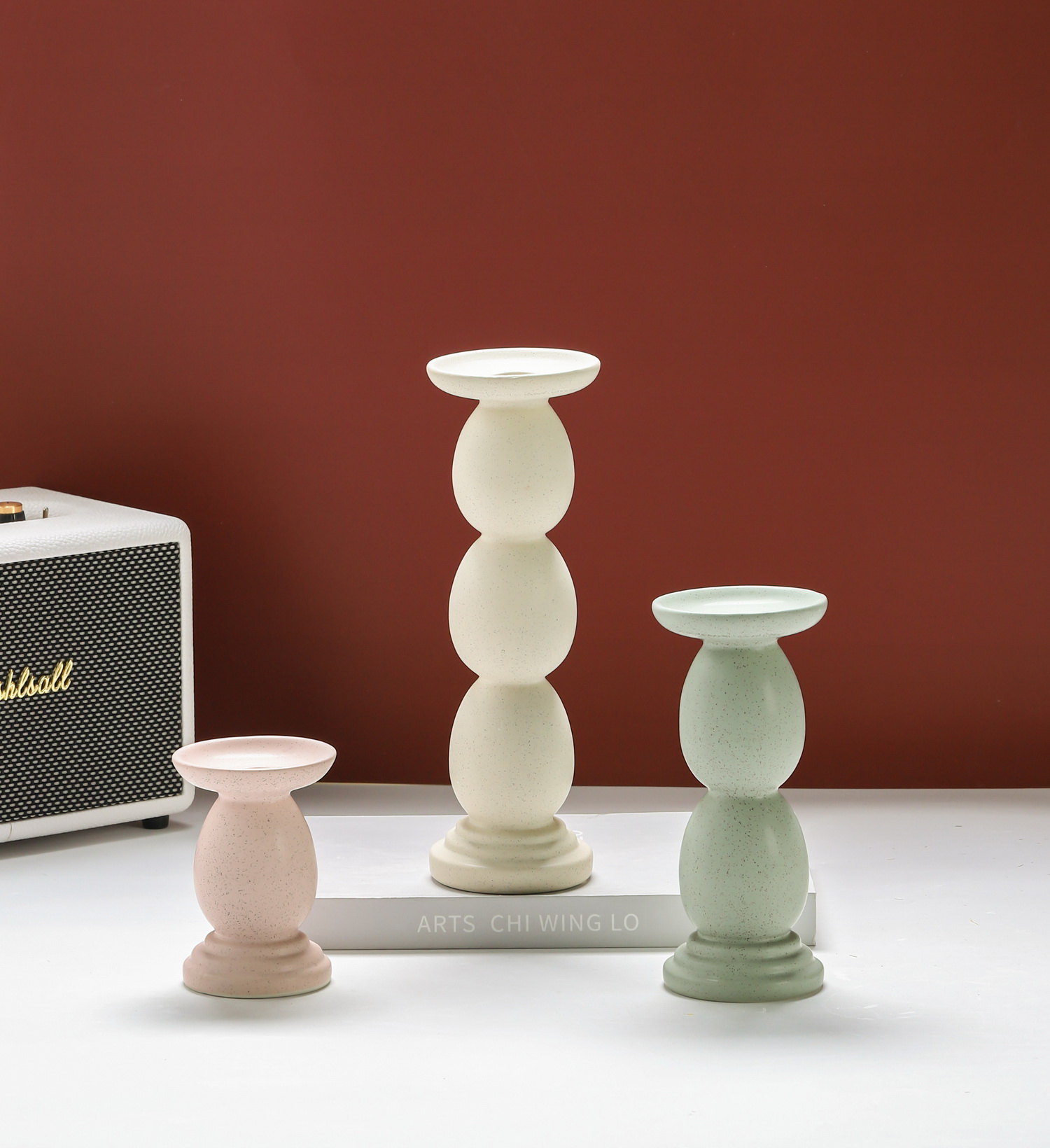
Yes, bulk playful vases for retailers absolutely sell—when they’re merchandised like a set, not a circus.
What I mean by “controlled play”:
-
One playful silhouette + two quieter silhouettes
-
A tight color story (2–3 glaze lanes max)
-
Repeated proportions (so the shelf looks curated, not random)
The mistake I see: suppliers ship five “fun” shapes that don’t relate. Shoppers smile, take a pic… and don’t buy.
3) The easiest margin win is customizable sizes (done the smart way)
If you want retailers to reorder, offer customizable size vases in a ladder that makes sense—without turning every PO into a new development project.
The size ladder I buy most often for tabletop:
-
Small: 6–8 in (giftable, shelf-friendly)
-
Medium: 10–12 in (console + island hero)
-
Large: 14–16 in (entry moment without tipping into “floor vase”)
When tabletop vase manufacturers can deliver the same silhouette across those sizes, you get:
-
better merchandising (sets sell)
-
fewer “it’s smaller than I expected” returns
-
cleaner SKU architecture (S/M/L that store teams can reorder easily)
4) The unsexy question that matters most: can it survive shipping?
Ceramics don’t lose margin slowly. They lose it in one cracked carton.
If a supplier says they test packaging to recognized methods, I listen. ISTA 3A is commonly referenced as a performance/simulation test for individually packaged products shipped through parcel systems—covering hazards like drops, vibration, and compression.
What I ask every modern ceramic vase supplier:
-
Do you have a drop-test plan (even basic) for inner packs?
-
Do pieces touch each other inside the carton? (If yes, expect chips.)
-
Are corners protected like the warehouse is angry? (Because sometimes it is.)
Packaging is part of product design. Good tabletop vase manufacturers treat it that way.
5) Working with a Chinese vase manufacturer: why buyers do it (and the risk you must manage)
A Chinese vase manufacturer can be a strong choice for modern ceramic vase programs because they often have:
-
scalable production capacity
-
broader glaze techniques
-
better ability to build size ladders across a collection
But don’t ignore the trade environment. For example, the EU recently increased tariffs on certain imported Chinese ceramic table/kitchenware products after an anti-dumping review—an example of how duties and trade rules can shift by market.
Buyer tip: even if you’re selling in the U.S., build a habit of confirming HS codes, duties, and routing with your freight partner before you lock pricing.
6) My “reorder-ready” assortment formula (short and reliable)
If your goal is repeat orders—not a one-time trend hit—build the collection like an assortment, not a gallery.
Assortment planning is essentially choosing the right product mix and allocating it to maximize sales/profit.
My go-to tabletop vase program:
-
2 silhouettes (one tall, one wide)
-
3 sizes (S/M/L ladder)
-
2 finish lanes (matte neutral + speckled/texture)
-
1 accent lane (the playful glaze or shape)
That’s how you turn “newness” into a system that stores can replenish.
Where Teruierdecor fits
Teruierdecor is built around décor programs that merchandise cleanly and reorder predictably: modern ceramic vase collections, size ladders that make sense for tabletop styling, and the boring details (spec tolerance + packaging discipline) that keep breakage and drift from eating your margin.
Quick FAQ
What are tabletop vase manufacturers?
Suppliers or factories producing vase styles intended for tabletop placement (coffee tables, consoles, shelves), often sold as coordinated collections for wholesale home decor.
Why do retailers buy customizable size vases?
A size ladder (small/medium/large) helps shoppers choose by space, improves merchandising as sets, and supports repeatable reorders.
What packaging standard is often referenced for shipping fragile items like vases?
ISTA 3A is commonly used as a performance/simulation approach for parcel shipping hazards such as drops, vibration, and compression.
Leave a Reply