

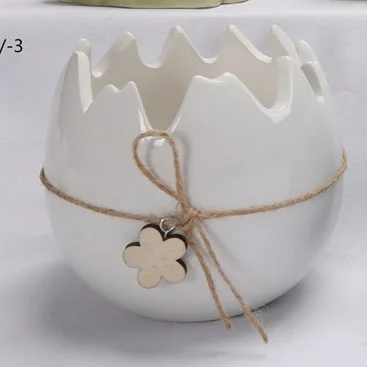
Of course! “Eggshell decor” can refer to two distinct but equally beautiful things:
-
Decorating with eggshells: Using actual eggshells as a craft material or textural element.
-
The “eggshell” paint finish: A very popular type of paint sheen used on walls.
I’ll break down both for you.
1. Decorating With Actual Eggshells
This is a creative, sustainable, and delicate craft that can yield stunning results. It’s often associated with spring and Easter but can be used for elegant decor year-round.
How to Prepare Eggshells:
-
Crack carefully: To get large pieces, tap the egg around the top and carefully peel away a section for a “blown egg” effect, or crack it gently for mosaics.
-
Clean: Rinse the shell pieces thoroughly in warm water, gently removing the inner membrane.
-
Dry: Lay them on a paper towel to air dry completely.
-
Dye (optional): You can dye the shells with food coloring, natural dyes (like onion skins or turmeric), or even acrylic paint for a vibrant look.
Creative Ideas and Projects:
-
Crushed Eggshell Mosaics:
-
How: Crush clean, dry shells into small pieces. Use strong craft glue to create a design on a vase, picture frame, or box. Sprinkle the pieces onto the glue, let dry, and gently shake off the excess.
-
Look: Creates a beautiful, organic, textural surface. You can leave them white for a neutral look or use dyed shells for a colorful design.
-
-
Intact Shell Planters:
-
How: Carefully create a small hole in the top of a raw egg, drain it, and clean the inside. You can then place the empty shell back in a carton or a special stand. Fill with a small amount of soil and plant tiny succulents like hens and chicks or sprinkle with grass seed for “egghead” characters.
-
Look: incredibly cute and perfect for a windowsill or centerpiece.
-
-
Dioramas or “World in an Egg”:
-
How: Using a hollowed-out eggshell, you can create a tiny scene inside. This is a delicate art form. Popular themes include a beach scene, a forest, a tiny room, or a galaxy with stars.
-
Look: Whimsical and magical, requiring patience and a steady hand.
-
-
Candle Holders:
-
How: Place a small tea light or LED candle inside a larger, hollowed-out eggshell (like a goose or duck egg). The light will glow softly through the semi-translucent shell.
-
Look: Romantic and rustic, perfect for a dinner party.
-
-
Garlands and Ornaments:
-
How: Poke small holes in the top and bottom of hollowed eggs to blow out the contents. Once clean and dry, you can paint them, decoupage them with pretty paper, or leave them natural. String them together for a garland or hang them individually as ornaments.
-
Look: A classic and beautiful craft for Easter and springtime.
-
2. The “Eggshell” Paint Finish
This is the more common meaning of “eggshell decor” in the world of interior design. It refers not to a color, but to the sheen or finish of the paint.
What is Eggshell Paint?
It has a soft, velvety, low-luster finish that resembles the surface of an actual eggshell. It sits right between flat/matte paint and satin paint on the sheen spectrum.
-
Flat/Matte: No shine at all.
-
Eggshell: A subtle, soft shine (approx. 10-25% sheen).
-
Satin: A pearly, noticeable shine (approx. 25-35% sheen).
-
Semi-Gloss: A shiny finish (approx. 35-75% sheen).
-
Gloss: A very shiny, reflective finish (approx. 75-90% sheen).
Why is it so Popular for Walls?
Eggshell finish is arguably the most popular choice for interior walls because it offers a perfect balance of aesthetics and functionality:
-
Aesthetics: It provides a warm, elegant look without being shiny or glossy. It hides minor surface imperfections better than satin or semi-gloss and doesn’t reflect light as harshly, giving a room a soft, inviting feel.
-
Durability: It is significantly more washable and durable than flat paint. You can easily wipe away fingerprints, smudges, and light stains without damaging the finish, making it ideal for…
-
Best Used In: Living rooms, dining rooms, bedrooms, hallways, and ceilings. It’s versatile enough for almost any room except those that get very wet or dirty (like bathrooms and kitchens, where satin or semi-gloss is better) or high-traffic areas like trim and doors (where semi-gloss is more durable).
“Eggshell” as a Color:
While it’s primarily a finish, the term is also used to describe a very pale, warm off-white color, reminiscent of a chicken egg. It’s a classic, neutral wall color that provides a softer alternative to stark white.
In Summary:
| Aspect | Decorating With Eggshells | Eggshell Paint Finish |
|---|---|---|
| What it is | A craft material | A type of paint sheen |
| Look & Feel | Organic, textural, delicate, rustic | Soft, velvety, low-luster, elegant |
| Best For | Art projects, seasonal decor, planters | Painting interior walls in living areas |
| Key Benefit | Sustainable, unique, creative | Durable, washable, hides imperfections |
Whether you’re crafting with natural materials or choosing the perfect paint, “eggshell decor” brings a touch of soft, elegant, and timeless style to a home.
Leave a Reply