

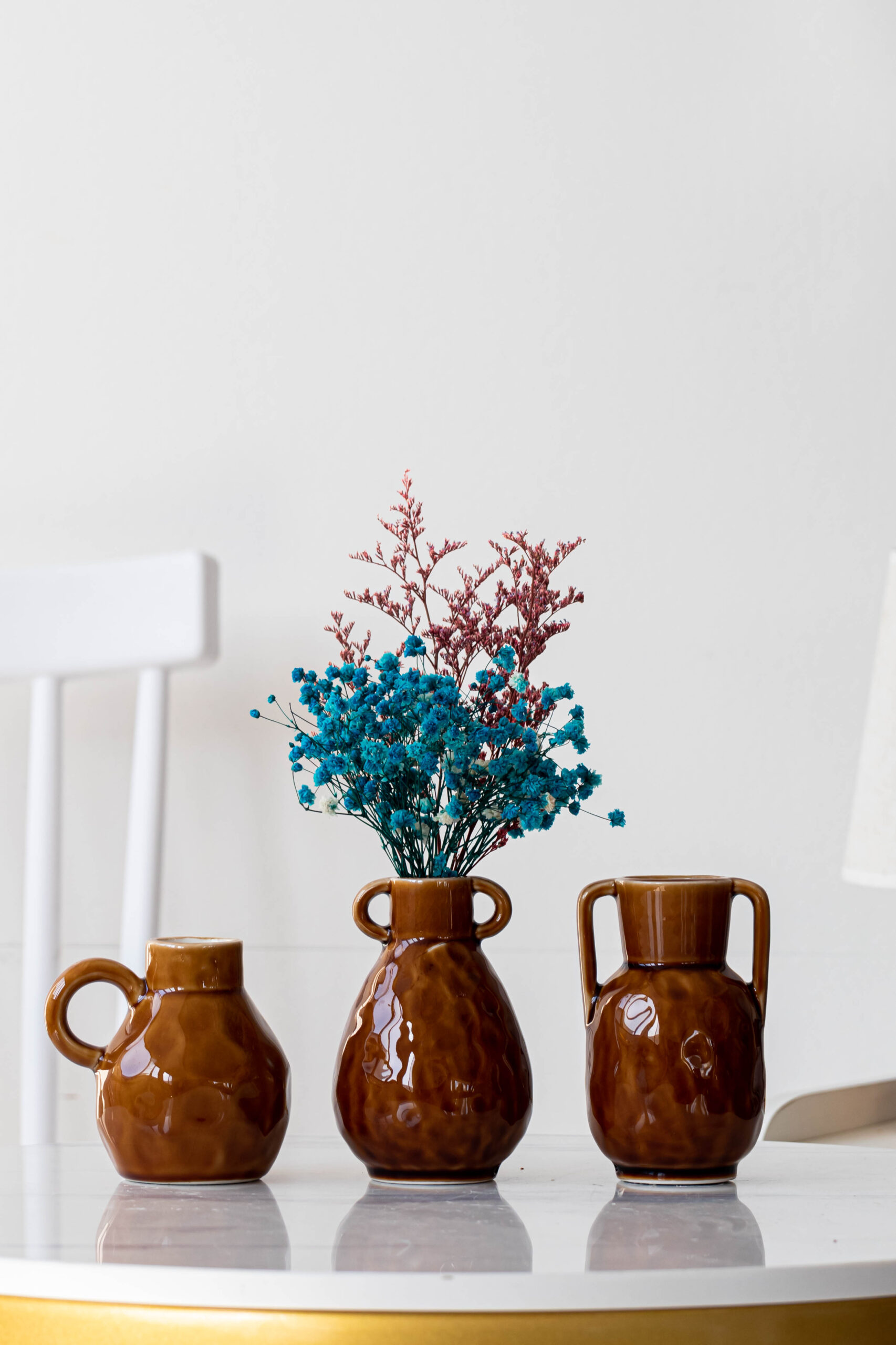
Why Some Trends Stay Beautiful in Images but Break Down on Shelf
Some trends win the image before they ever meet the shelf
This happens all the time in home decor.
A trend looks strong in a styled photo.
It feels fresh in a designer mood board.
It travels fast across social platforms and trade show references.
It creates instant emotional agreement. Everyone can see why it feels current.
And yet when that same trend starts moving toward real retail life, something weakens.
The product still looks attractive, but it no longer feels easy to place.
The collection still feels on trend, but it no longer feels easy to sell.
The visual story is still there, but the commercial structure starts slipping.
That is why some trends stay beautiful in images but break down on shelf.
Because image success and shelf success are not the same test.
Images reward atmosphere. Shelves reward readability.
This is the first big difference.
An image can succeed through mood alone. It can create desire through lighting, composition, styling, and visual isolation. It does not have to answer many of the harder retail questions. It only needs to make the viewer feel something quickly.
A shelf works differently.
A shelf asks:
Can the customer understand this fast
Can the product hold attention without confusion
Can it live next to other items
Can it fit a price expectation
Can it support the assortment rather than just decorate it
Can it survive normal retail viewing instead of perfect styling conditions
This is why some trends lose strength when they leave the image and enter the shelf. The image gave them emotional lift. The shelf asks for commercial clarity.
Trends often break down when they depend too much on styling support
Many trends look stronger because of what surrounds them.
The photography is doing part of the work.
The props are doing part of the work.
The setting is doing part of the work.
The camera angle is doing part of the work.
Once those supports disappear, the object has to stand on its own.
That is where many products start weakening.
The shape may be too subtle to hold attention without the right context.
The finish may feel too dependent on controlled lighting.
The texture may look rich in an image but muddy on shelf.
The whole trend may need visual framing that normal retail space cannot keep providing.
Buyers notice this quickly.
They are not only asking whether the trend looks beautiful. They are asking whether it can still communicate once the styling advantage is gone.
Shelf life exposes whether the trend has enough internal structure
This is what often separates usable trends from fragile ones.
A trend that survives on shelf usually has more than surface appeal. It has enough internal logic to keep working in ordinary conditions. The silhouette still reads clearly. The finish still supports the shape. The object still has a role inside the assortment. The product still makes sense when viewed from different distances and under less perfect lighting.
A weaker trend has the opposite problem.
It may look compelling in one image but lose force when:
placed next to stronger retail items
viewed from farther away
grouped in quantity rather than as a single styled piece
asked to hold a price position
expected to repeat its visual message across more than one SKU
That is when image beauty starts breaking down into shelf uncertainty.
Some trends fail because they are too dependent on visual nuance
Nuance is powerful in design, but not every kind of nuance survives retail.
A very soft tonal shift may feel elegant in photography and nearly disappear in store. A slightly irregular shape may feel artful in one frame and simply unclear on shelf. A delicate surface effect may create atmosphere in a close up shot and read like inconsistency in real viewing conditions.
This is why buyers are careful.
They know that some trends are not wrong. They are just too fragile in the way they communicate. They ask too much from the environment and too much from the customer’s attention. Retail usually gives less than both.
A trend that depends too heavily on subtlety often needs stronger translation before it can become a product worth placing.
Trends also break down when price and visual language stop matching
This is another common problem.
A trend may feel elevated in image terms, but once it becomes a product, the buyer has to ask whether the object can honestly hold the intended price point. Sometimes the answer becomes less clear on shelf.
The finish may suggest a premium read in the photo but feel too shallow in person.
The form may look expressive online but too light in hand.
The trend may promise sophistication but deliver something harder to explain once the customer is standing in front of it.
That mismatch matters.
A shelf is unforgiving when the visual language and price logic are not aligned. The customer may not say exactly what feels wrong, but the product starts losing confidence. Buyers feel this risk early, which is why some trends never fully convert into repeatable retail items.
The shelf asks whether the trend can live with other products
An image can isolate one beautiful object and let it dominate the frame. A shelf does not work that way. Products have to coexist.
This is where many trend driven pieces start struggling.
A product may look strong as a standalone visual statement but become harder to use once the buyer asks:
What sits next to it
What supports it
What calms it
What price band surrounds it
How does it behave inside a broader assortment
A trend that does not integrate well often feels expensive to carry. It may require too much special handling in assortment planning. It may demand too much visual space. It may break the rhythm of the range instead of strengthening it.
Buyers do not only want products that feel current. They want products that help the whole shelf feel more coherent.
Some trends break down because they are too literal
This happens when the product tries too hard to preserve the original image language.
The silhouette stays too extreme.
The finish stays too stylized.
The detail stays too specific.
The product becomes loyal to the reference but disloyal to retail life.
At first this can feel like design integrity. Later it often becomes commercial fragility.
A literal trend product may win admiration, but admiration is not enough. Buyers need to know whether the object can be bought, placed, supported, and reordered without constant explanation.
This is why strong trend translation matters so much. It prevents the trend from becoming trapped inside its original image logic.
Shelf ready trends usually carry less performance and more discipline
This is one of the most useful rules in the whole process.
A shelf ready trend does not need to be dull. But it usually needs to be more disciplined than the original visual inspiration. It needs to carry the core energy of the trend without carrying all the styling excess that made the image exciting.
That might mean:
simplifying the silhouette
calming the finish
clarifying the scale
strengthening the role of the product in the collection
making the visual read cleaner from distance
building a clearer relationship to price and assortment position
None of this makes the product less current. In many cases it makes the product more alive in business.
A trend that survives shelf life is not the trend that stayed pure. It is the trend that learned how to behave under retail pressure.
Buyers trust trends that still make sense after the image advantage is gone
This is where confidence really begins.
A buyer may be attracted to the original trend image, but they only start trusting the product when the image advantage is no longer needed. The product now has to carry itself.
Can it still feel relevant without perfect styling
Can it still communicate with less visual support
Can it still earn a place in the assortment
Can it still feel believable after the camera steps away
If yes, the trend has started becoming shelf ready.
If not, then the product is still living more in the world of inspiration than in the world of commerce.
That is exactly where many beautiful trends start falling apart.
In home decor, shelf strength is often the test that reveals whether the trend was really translated
This is the deeper point behind the whole subject.
A trend does not become real value just because it spreads widely. It becomes real value when it can survive the shelf, the price, the assortment, the packaging, and the second look.
That survival depends on translation.
Someone has to decide:
what part of the image is essential
what part should be reduced
what part belongs only in the hero piece
what part should soften into a more usable follow through item
what part makes the shelf stronger and what part only makes the image stronger
This is where strong product teams stand apart.
For a supplier like Teruierdecor, this is where trend translation becomes practical business work. The value is not only in spotting what looks current, but in helping buyers turn that visual signal into something they can actually place, group, price, and continue. That means knowing where the trend will hold its energy and where it will collapse under retail conditions. That is how image beauty becomes shelf value.
Final thought
Some trends stay beautiful in images but break down on shelf because images forgive what retail exposes.
Images forgive dependence on styling.
They forgive weak role logic.
They forgive subtlety that disappears in store.
They forgive price mismatch.
They forgive products that cannot live easily with others.
The shelf does not.
That is why trend to shelf work matters so much.
It turns visual attraction into retail discipline.
It keeps the useful energy and removes the parts that only work for the camera.
Because in the end, a trend is not really successful when it looks beautiful in an image.
It becomes successful when it still makes sense after the image is gone.
Leave a Reply