

How Buyers Build Reorder Confidence Before They Place the Next PO
Reorder confidence does not begin at the reorder stage
Many suppliers misunderstand this.
They assume reorder confidence is something the buyer decides when the first order has already sold through, when inventory needs to be refilled, or when the next PO is about to be discussed. From that point of view, reorder looks like a late stage decision.
But experienced buyers do not work that way.
They begin building reorder confidence much earlier. In many cases, they start forming that judgment the moment the first order leaves the sample phase and enters real business life. Every small signal that follows starts shaping the answer to a quiet question:
Will this product feel easier or harder to continue next time
That is what reorder confidence really is.
It is not a last minute yes or no.
It is a gradual accumulation of trust.
Buyers build reorder confidence by watching whether the product becomes calmer after contact with reality
This is one of the clearest patterns in repeat business.
A first order always contains some degree of uncertainty. That is normal. The buyer is testing not just the product, but also the path around the product. They are watching what happens when the item moves through real production, real packing, real arrival, real shelf life, and real internal conversation.
If the product becomes calmer after this contact with reality, reorder confidence starts to grow.
The finish still feels believable.
The packaging does not create new worry.
The SKU still fits the assortment naturally.
The item becomes easier to explain, not harder.
The supplier feels more manageable after the first round, not more tiring.
These are the signals that build reorder confidence before the next PO is ever mentioned.
Buyers are really asking whether the second round will feel lighter
This is the practical core of the issue.
The next PO is not just about whether demand exists. It is also about whether continuity will feel clean enough to deserve effort. A product may have commercial value and still lose reorder momentum if the buyer suspects the second round will bring back too much friction.
That is why buyers quietly keep scoring the product after the first order.
Did the object hold its promise
Did the process become easier to trust
Did the item settle into the range
Did the first round remove enough uncertainty
Did the supplier help reduce workload instead of extending it
Reorder confidence builds when the likely future feels lighter than the past. If the second round already feels mentally heavier, the buyer starts stepping back even before any official reorder conversation begins.
Finish stability builds reorder confidence because it protects memory
A buyer does not enter the next PO as a blank slate. They carry a visual memory of the product they already approved. That memory becomes part of the reorder decision.
If the finish held well, the buyer feels that the SKU still knows how to behave. It still supports the same story, the same place in the assortment, and the same level of trust. That makes the next round easier to picture.
If the finish drifted, even slightly, confidence becomes harder to build. The buyer starts wondering whether the original approval was tied too closely to one lucky moment.
This is why finish stability matters so much in reorder logic. It helps the product remain recognizable in the right way. And recognizable products are easier to reorder than products that need to be re judged from zero.
Packaging ease builds reorder confidence because it lowers future resistance
A great many reorder decisions are influenced by whether the first shipment felt smooth or heavy.
Did the product arrive cleanly
Did it feel protected without becoming awkward
Did the cartons support the item well
Did the receiving experience feel under control
Did the product still feel premium after transport
The buyer remembers all of this.
Packaging ease matters because it tells the buyer whether the product can move again without reopening the same level of concern. Stable products with unstable arrival experiences often struggle here. The object may still have appeal, but the business memory around it feels less calm.
Reorder confidence grows when the buyer no longer has to spend mental energy worrying about problems that should already be settled.
Buyers also build reorder confidence by watching whether the SKU keeps its role
This is where assortment logic becomes very important.
A product that survives into repeat life usually does not rely only on first impression. It keeps proving that it belongs.
It still helps organize the shelf.
It still supports the price ladder.
It still makes sense next to related items.
It still has a clear function inside the range.
It still earns its place without needing a brand new justification.
This role stability matters because repeat decisions are often easier when the product already feels integrated. The buyer is not asking whether the item is still interesting. They are asking whether it is still useful enough to keep protecting.
That is a much stronger standard.
Reorder confidence grows when the supplier stops making the buyer carry too much of the process
This part is often underestimated.
A product may work, but if the supplier side of the experience still feels overly dependent on repeated clarification, soft confusion, late visibility, or heavy follow up, the buyer may still hesitate to continue.
That hesitation is not irrational. Buyers are not repeating only the SKU. They are repeating the working relationship around the SKU.
So they notice things like:
whether updates became clearer after the first round
whether concerns were surfaced earlier
whether development lessons actually carried forward
whether the supplier became easier to work with after experience
whether the second order seems likely to require less explanation rather than more
A supplier who reduces process weight builds reorder confidence much faster than one who simply waits for the buyer to ask again.
Buyers build confidence through the absence of preventable surprises
This is one of the strongest signals of all.
After the first order, the buyer wants certain categories of uncertainty to quiet down. They do not expect perfection, but they do expect fewer preventable shocks.
If the next phase of thinking feels more stable, confidence grows.
No fresh doubt about finish behavior.
No renewed worry about packaging discipline.
No confusion about the product’s place in the range.
No sense that every order is beginning from the same unstable starting line.
This quieting effect matters. It tells the buyer that the SKU is becoming more settled in the business. Products that keep reactivating the same old questions rarely build strong reorder confidence, even if they still have surface appeal.
Internal explainability is another hidden driver of reorder confidence
A buyer often needs more than personal belief. They need enough clarity to support the next PO inside a wider organization. That may mean speaking to a manager, a merchandising lead, a sourcing team, or other internal stakeholders.
A reorder worthy product becomes easier to explain the second time.
The buyer can say:
this held up well
this still fits
this continues to support the assortment
this no longer feels speculative
this should be easier to continue than it was to start
That ease matters a great deal.
If the product still requires a long defense after the first order, reorder confidence stays weak. Buyers naturally favor products that become less argumentative over time. The easier a SKU is to defend internally, the more likely it is to move into repeat life.
Reorder confidence often begins when the product stops feeling like a test
This is the deeper transition.
The first order usually has some testing energy inside it. The buyer is willing to explore, to take measured risk, to see how the product behaves. That is healthy.
But the next PO requires a different feeling. The product needs to stop behaving like an experiment and start behaving like a dependable part of the business.
That does not mean it must become dull. It means it must become legible in the right way.
The buyer needs to feel:
this item has settled
this item has proven enough
this item is now easier to continue than to debate
this item can support continuity without new drama
That is when reorder confidence becomes real.
In home decor, reorder confidence is really built through accumulated calm
This may be the most useful way to understand it.
Not excitement alone.
Not sales alone.
Not supplier promises alone.
Accumulated calm.
The calm that comes from a finish that holds.
The calm that comes from packaging that behaves.
The calm that comes from a SKU that still belongs.
The calm that comes from a supplier who now feels more readable and more grounded.
The calm that comes from a first order that reduced doubt instead of multiplying it.
This is what buyers are really building before they place the next PO.
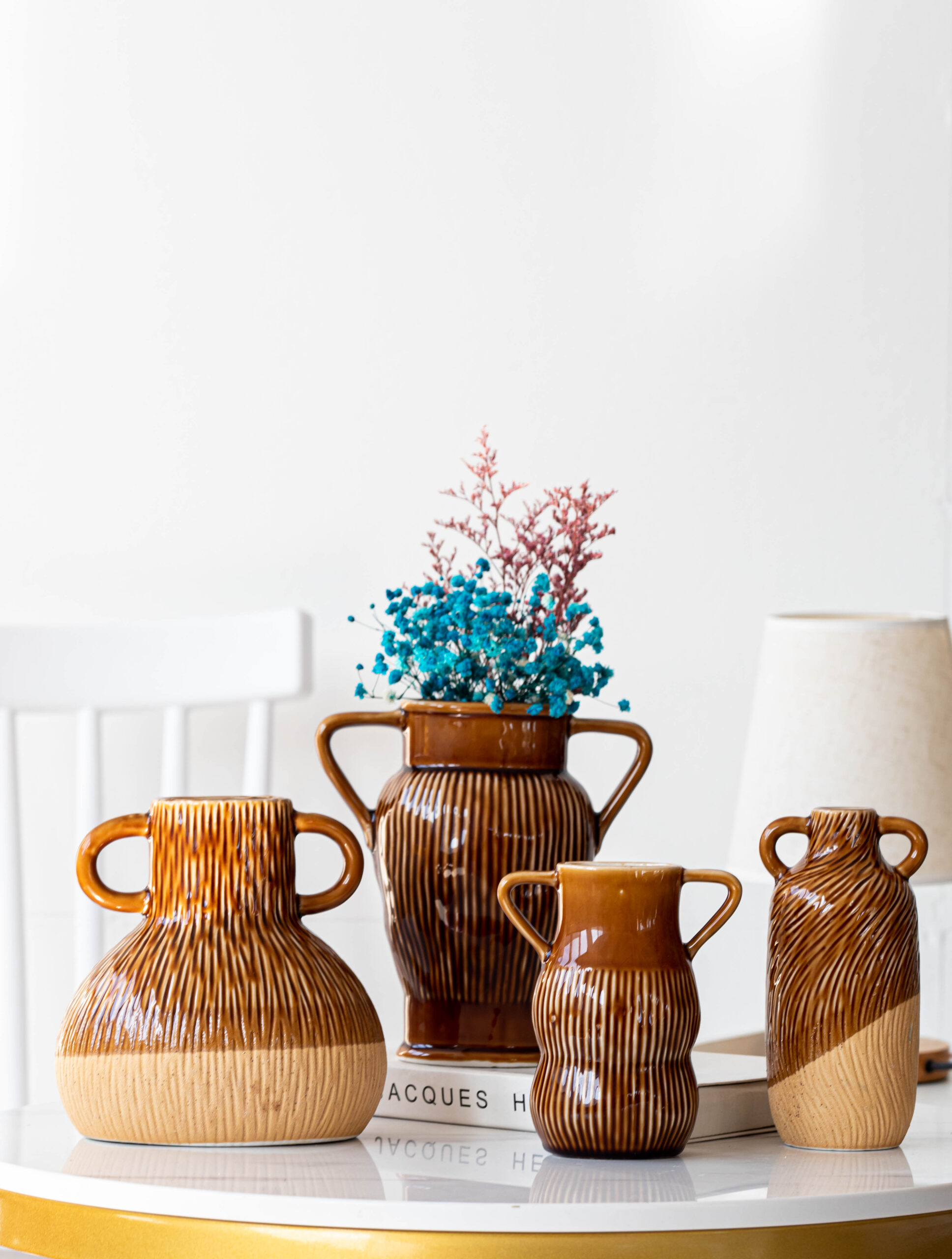
For a supplier like Teruierdecor, this is where product value becomes much more strategic than simply winning the first order. The deeper opportunity is to help buyers feel that continuity is becoming safer, lighter, and more commercially rational with each round. That means better finish judgment, steadier packaging logic, cleaner assortment fit, and a supplier experience that turns the next decision into a continuation rather than a reset. That is how reorder confidence gets built before the buyer ever sends the next PO.
Final thought
Buyers build reorder confidence before they place the next PO by quietly watching whether the first order made the future feel easier.
Did the finish hold
Did the packaging behave
Did the SKU keep its role
Did the supplier reduce effort
Did the product become more settled after reality touched it
If the answer keeps moving toward yes, the next PO becomes easier to imagine.
That is how reorder confidence grows.
Not in one big moment.
But through many small proofs that the product deserves another life in the business.
Leave a Reply