

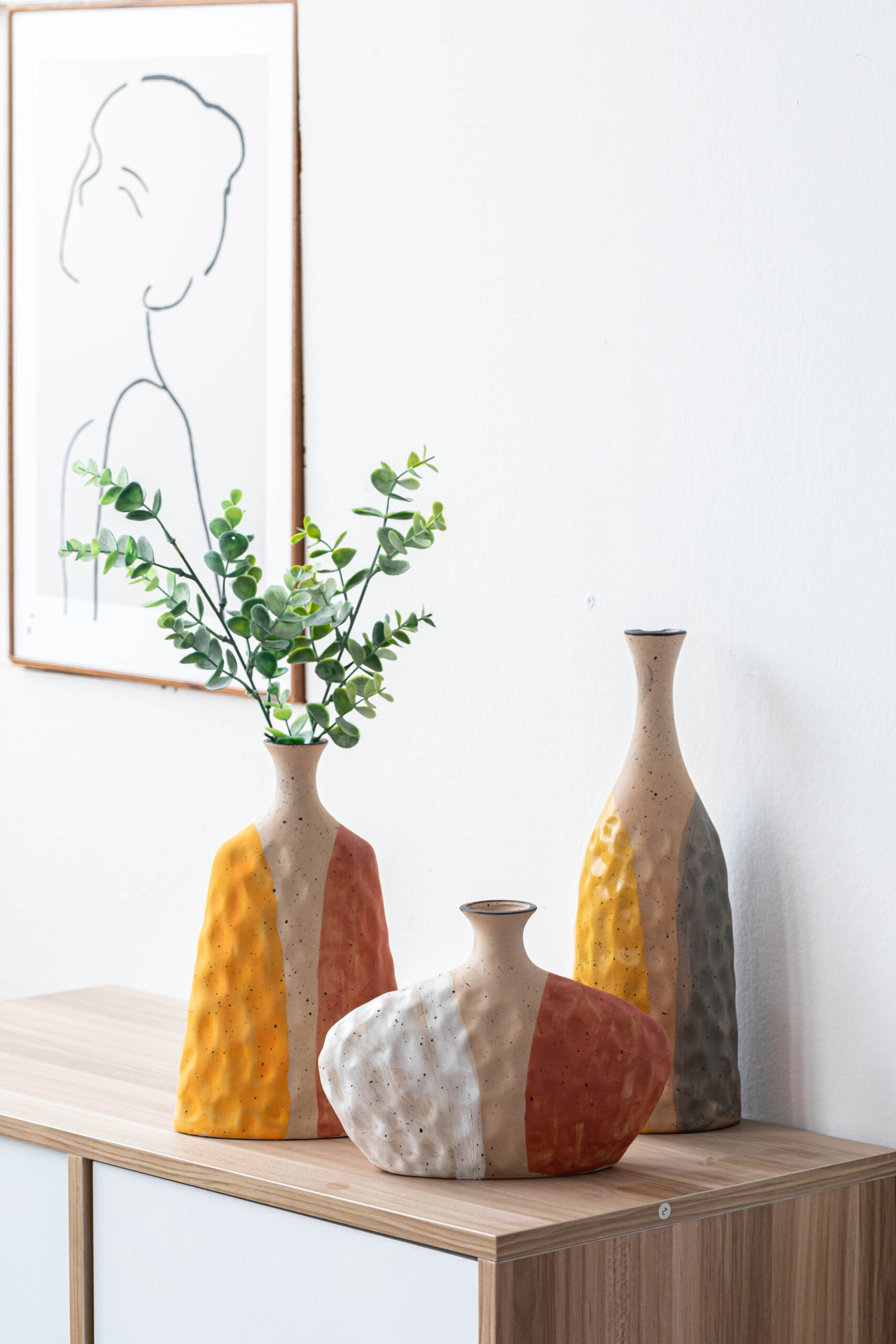
What Makes a Home Decor SKU Worth Repeating
A first order proves interest. A repeat order proves structure.
This is one of the clearest truths in home decor buying.
A product may get attention quickly.
It may look right in the catalog.
It may feel fresh in the sample room.
It may even land well in a first placement.
But none of that means the product deserves a second life.
Buyers know this. That is why they think differently about first orders and repeat orders. The first order often carries curiosity, timing, visual momentum, and a willingness to test. The repeat order carries a much harder question.
Did this product hold up well enough to stay in the business
That is the beginning of reorder logic.
A SKU becomes worth repeating not because it looked exciting once, but because it proves it can survive the realities that follow excitement.
Buyers do not repeat products. They repeat confidence.
This is the first thing many suppliers miss.
From the supplier side, a repeat order can look like simple validation. The product sold, so the buyer ordered again. But from the buyer side, a reorder is rarely just about sales alone. It is about whether the product created enough confidence across the full path around it.
That includes:
how the finish held up
how the product arrived
how the packaging performed
how the item fit within the assortment
how easy it was to present again
how stable the next run feels likely to be
A buyer may like the product and still hesitate to repeat it if those surrounding signals feel weak. That is why reorder logic matters so much. It shifts the conversation away from first impression and toward commercial trust.
Reorder worthy SKUs usually feel calmer than first order heroes
This is a subtle but important point.
Some products earn immediate attention because they feel striking or new. That can be useful. But products that survive into repeat business often create a different feeling. They feel usable, stable, and easier to build around.
That does not mean they are boring.
It means they carry less friction.
A reorder worthy SKU often feels:
easy to place again
easy to explain internally
easy to support inside a collection
easy to imagine in another round of volume
easy to trust after the first test has ended
Buyers are very sensitive to this shift. They know that excitement gets a product into the conversation, but calm confidence is often what keeps it there.
Finish stability is one of the first silent tests of reorder value
A product can win the first order and lose the second one because the finish does not age well in business conditions.
Perhaps the tone drifted.
Perhaps the surface looked less premium on arrival.
Perhaps the visual effect was hard to hold across more than one production run.
Perhaps the finish felt great in the sample but less convincing in real volume.
These things matter more than many suppliers admit.
A reorder worthy SKU usually has finish behavior that feels believable, not just attractive. The buyer starts to feel that the surface can survive repetition without slowly weakening the product story.
That feeling is powerful.
It tells the buyer that the SKU may not need to be rediscovered from zero every time. It can be trusted as part of an ongoing commercial line.
Packaging discipline often decides whether first order success can continue
This is another reason many promising SKUs stop too early.
The product may sell, but if the packing experience creates too much friction, the buyer starts questioning whether the next round is worth the trouble.
Damage concerns.
Awkward cartons.
Inconsistent protection.
Receiving complaints.
Presentation loss after unpacking.
All of these problems reduce reorder appetite.
That is why truly repeatable SKUs are usually supported by packaging logic that feels settled. The buyer wants to know that the product does not become a fresh risk every time it moves.
A SKU becomes worth repeating when the object and the packaging begin to feel like one disciplined system instead of two separate concerns.
Buyers also ask whether the SKU still belongs after the first test
This is where assortment logic enters reorder logic.
A first order may happen because the product looks promising on its own. A repeat order usually asks something more demanding.
Does this SKU still fit the broader range well enough to keep earning space
That question is about role, not just sales.
The buyer is checking:
whether the product still supports the shelf story
whether it works with newer additions
whether it can stay relevant without forcing the rest of the assortment to adjust around it
whether it deserves to become part of the range rather than a one time visual event
Products that survive reorder often do this quietly. They do not only attract attention. They keep helping the assortment make sense.
That is a much deeper kind of strength.
Reorder worthy products usually reduce questions rather than create new ones
This is one of the cleanest ways to understand the issue.
A weak repeat candidate creates more uncertainty after the first order than before it.
The buyer starts asking:
Will the finish be the same next time
Will the packing hold up again
Will the product still feel relevant
Will the next run be smooth or annoying
Will the same product require the same amount of explanation all over again
A strong repeat candidate does the opposite.
It reduces these questions. It begins to feel familiar in the right way. The buyer no longer has to argue for it as hard. The product has already earned some internal trust.
That is often what makes a SKU worth repeating.
Not only that it sold.
That it became easier to believe in.
Products that survive second orders often have cleaner commercial roles
This is another pattern buyers notice quickly.
A repeatable SKU usually knows what job it does.
It may be a visual anchor.
It may be an easy volume piece.
It may be a reliable bridge item inside a wider collection.
It may be a smaller add on that keeps basket logic working.
It may be a stable core item that helps the collection extend.
What matters is that the role stays clear.
Products often fail at reorder when their role was only exciting during the launch moment. Once that novelty fades, the buyer can no longer explain why the SKU deserves another run. A reorder worthy product keeps its role even after the first emotional lift is gone.
That durability of role is one of the strongest forms of commercial value.
Buyers watch whether the supplier makes repeat feel lighter or heavier
Reorder logic is not only about the SKU. It is also about the experience around the SKU.
A buyer is always learning from the first order:
Was the communication stable
Were issues surfaced early
Did the sample truth hold up
Did the production feel controlled
Did revisions from the past actually lead to cleaner execution
Did the supplier reduce workload or quietly add to it
These questions shape reorder decisions more than many people realize.
A repeat order is easier when the product worked and the relationship around the product also felt manageable. If the item sold but the path was messy, the buyer may still slow down.
That is why reorder worthy SKUs often come from suppliers who make continuity feel lighter. They turn the second order into continuation, not a fresh negotiation with reality.
Some products fail at reorder because they were too dependent on the launch moment
This is especially common in decor.
A product may feel strong because it was timely, trend aligned, or visually striking in the moment. That can be enough to open the first order. But repeat business asks a tougher question.
What remains when the launch energy is gone
If the answer is not much, the SKU becomes fragile. The buyer begins to see that the item was driven more by momentary appeal than by durable usefulness.
A reorder worthy SKU usually carries something steadier:
a believable finish
a clear role
a workable price position
an easy fit inside the assortment
enough visual identity to stay alive
enough discipline to stay easy
That mix is what helps the product keep earning space after its first wave of attention passes.
Reorder logic is really the point where product judgment becomes business judgment
This is why the subject matters so much.
A first order can still be driven partly by taste, timing, or optimism. Reorder is where those things must pass through a much harder filter.
Now the buyer is weighing:
stability
repeatability
operational drag
assortment value
future confidence
commercial memory
That is a different level of evaluation.
A SKU that survives it is not merely attractive. It has started to become infrastructure inside the range. It helps hold the business together rather than simply decorate the launch.
For a supplier like Teruierdecor, this is where product value becomes much more meaningful. The real opportunity is not only in helping buyers discover products worth testing, but in helping them work with SKUs that can keep their place once the first order is over. That means stronger finish judgment, calmer packaging logic, cleaner collection fit, and a more believable path into continuity. That is what turns a product into a repeat asset.
Final thought
A home decor SKU becomes worth repeating when it stops behaving like an interesting test and starts behaving like a dependable part of the business.
It holds its finish.
It holds its role.
It holds its place in the assortment.
It holds up in packing and handling.
It creates fewer new questions after the first order, not more.
It makes the buyer feel that the next round should be easier, not riskier.
That is what reorder logic is really measuring.
Not whether the first order happened.
Whether the product deserves to stay alive after it.
Leave a Reply